1 hr 30 min
Private Transfer Between Yokohama Port and Tokyo Center
- Private experience
- Personal attention
- Premium amenities
- Free cancellation
Tokyo to Yokohama Port Transfer — Private Cars & Shared Shuttles
Direct routes from Narita, Haneda, and central Tokyo, timed to your cruise departure
Compare fares, pick the fit — all bookings are mobile-voucher and eligible for free cancellation where shown.
1 hr 30 min
1 hr 30 min
1 hr 30 min
| Experience | Duration | Rating | Transfers | Pickup | Free cancel. | Price | |
|---|---|---|---|---|---|---|---|
|
Luxury / Private
Most popular
Private Transfer Between Yokohama Port and Tokyo Center
|
1 hr 30 min | ★ 4.8 | ✓ | ✓ | ✓ | €162 | Book → |
|
Luxury / Private
Private Narita Airport Transfer to Tokyo
|
1 hr 30 min | ★ 4.8 | ✓ | ✓ | ✓ | €53 | Book → |
|
Luxury / Private
Private Narita Airport Transfer for 1-9 Passengers
|
1 hr 30 min | ★ 4.9 | — | ✓ | ✓ | €106 | Book → |
Hand-picked experiences loved by thousands of travelers
1 hour
Free Cancellation
Round-the-clock door-to-door service connecting Tokyo with Yokohama City and cruise port terminals
1 hour
Free Cancellation
Dedicated vehicle transfer linking Yokohama cruise terminal with central Tokyo accommodations
2 hours
Free Cancellation
Skip public transport hassles with a dedicated driver connecting Tokyo and Yokohama in comfort
1 - 1.5 hours
Free Cancellation
Direct door-to-door service linking Yokohama, Tokyo, and both major airports with flight monitoring
1 hour
Free Cancellation
Hassle-free private transport between Haneda and your Tokyo accommodation with flight tracking and flexible scheduling.
4 to 8 hours
Free Cancellation
Personalized sightseeing adventure with dedicated driver and vehicle, departing from Yokohama Cruise Terminal
1 hour
Free Cancellation
Direct door-to-door transport for 1-10 travelers with professional driver and climate-controlled comfort
1-2 hours
Free Cancellation
Door-to-door transport between Haneda Airport and Yokohama cruise terminal with personal driver
Your driver meets you in the hotel lobby ninety minutes before your scheduled cruise departure, confirming your ship name and berth assignment.
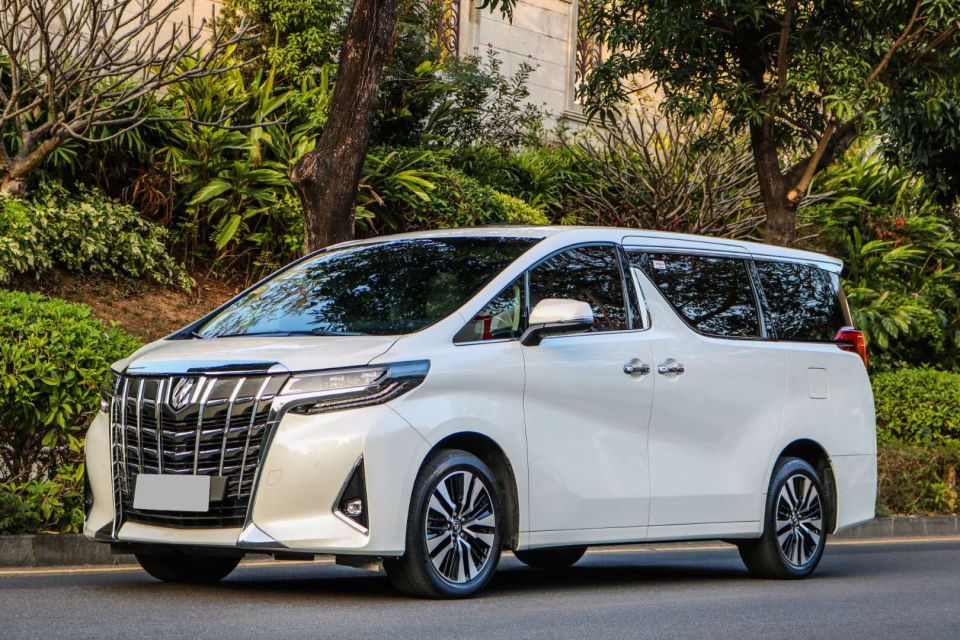
You load luggage into the sedan's trunk—two large suitcases, a carry-on, and a backpack—and settle into the rear seat as the vehicle merges onto the Metropolitan Expressway toward Yokohama. The journey follows the Bayshore Route along Tokyo Bay, passing container terminals and oil refineries before the skyline opens to reveal Minato Mirai's towers and the Cosmo Clock Ferris wheel.
You exit at Yamashita Park and approach the Osanbashi terminal, its curved white canopy rising above the waterfront. The driver pulls into the second-floor vehicle zone, where uniformed porters unload your luggage onto wheeled carts. You walk through automatic glass doors into the check-in hall, where cruise line counters line the western wall beneath overhead flight information displays. After document verification, you proceed to the third-floor departure lounge, pausing at the floor-to-ceiling windows overlooking the harbor. Your ship looms alongside the pier, gangways already in position, crew members visible on the promenade deck.
All the details about your upcoming adventure in one place
Direct tokyo to yokohama port transfer connects central Tokyo with Yokohama's cruise terminal, covering approximately 40 kilometers through the greater Tokyo Bay area. Professional drivers navigate the Shuto Expressway and Route 357 coastal road, delivering passengers to international cruise ship berths with luggage assistance and real-time traffic monitoring. Tokyo to yokohama port transfer tours accommodate solo travelers, families, and cruise groups departing from Haneda Airport, Narita Airport, or downtown hotels.
Yokohama Port handled 114 cruise ship calls in 2025, welcoming passengers from thirty-seven countries to the Osanbashi International Passenger Terminal.
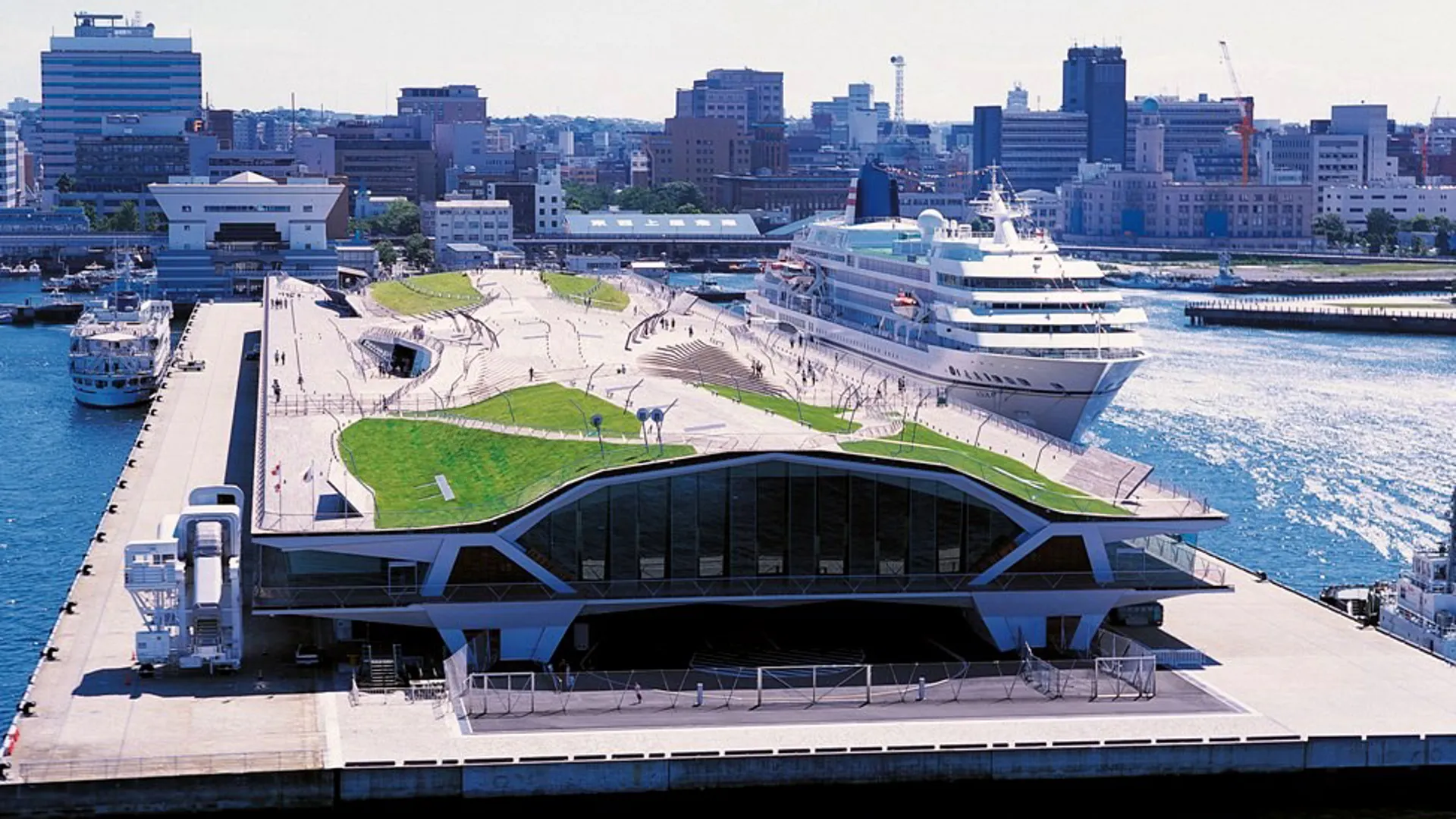
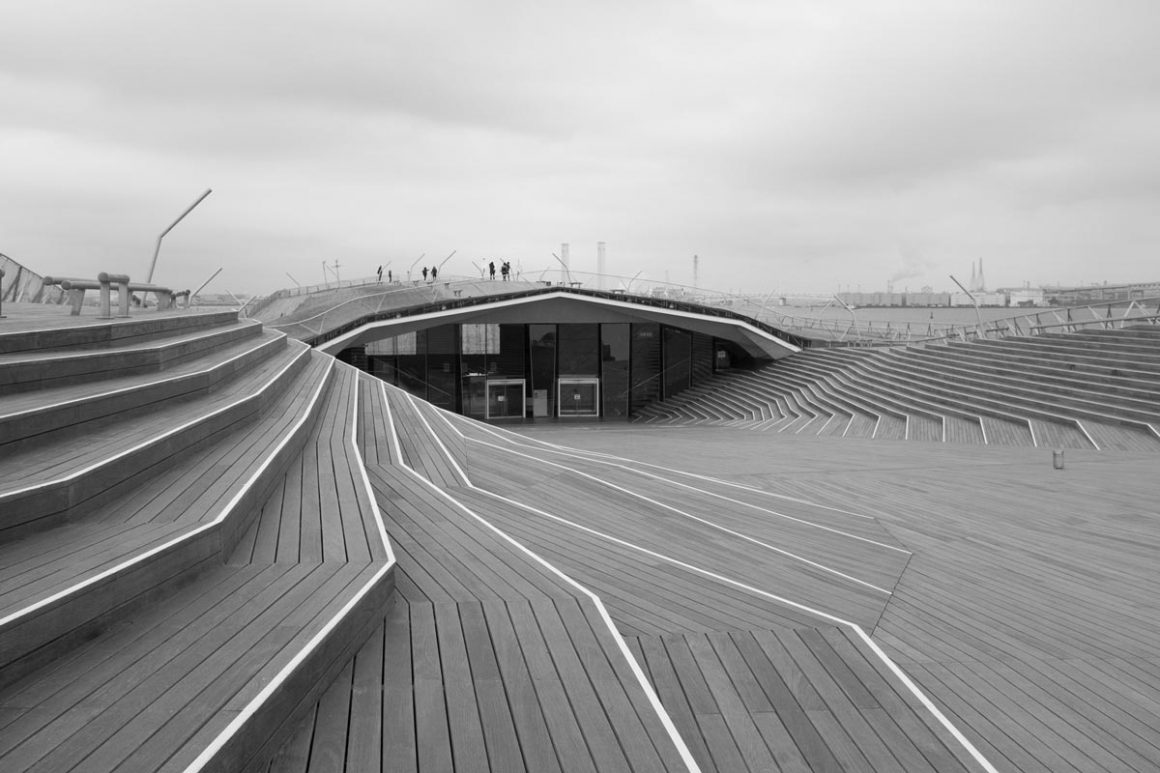
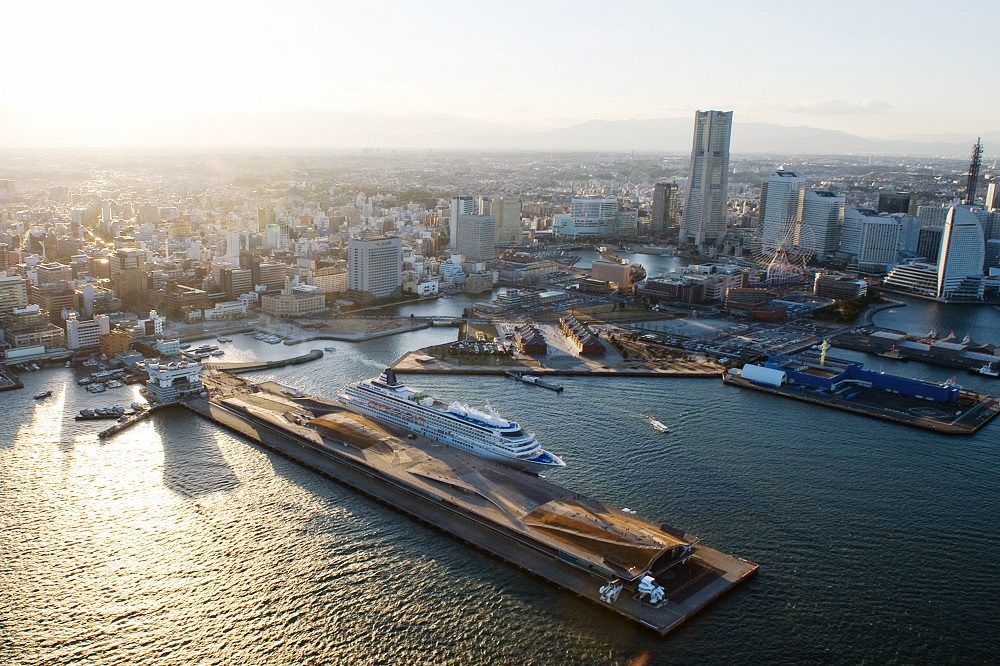
The terminal's distinctive wave-shaped rooftop, designed by Foreign Office Architects and completed in 2002, sits at the foot of Yamashita Park, five hundred meters from Yokohama's Chinatown and two kilometers from Minato Mirai's towers. The port lies thirty-five kilometers south of central Tokyo, forty kilometers from Haneda Airport, and ninety kilometers from Narita Airport.
The tokyo to yokohama port transfer market serves cruise passengers arriving for embarkation, disembarkation, or turnaround calls. Private sedan services accommodate families with luggage, departing from hotel lobbies in Shinjuku, Shibuya, or Ginza and arriving directly at the terminal's vehicle drop-off zone on the second floor. Shared shuttle buses operate fixed schedules from both airports, with journey times averaging sixty minutes from Haneda and one hundred twenty minutes from Narita, depending on expressway traffic. Limousine bus routes run year-round, coordinated with major cruise line schedules.
The terminal building spans four hundred thirty meters along its pier, with check-in halls on the second floor and departure lounges on the third. The rooftop plaza, accessible twenty-four hours, offers unobstructed views across Tokyo Bay to the Miura Peninsula and Mount Fuji on clear days. Ground-level facilities include currency exchange, luggage storage, and taxi ranks. The Minato Mirai subway line connects Motomachi-Chukagai Station, a twelve-minute walk from the terminal, to Yokohama Station in nine minutes and Shibuya in forty-one minutes.
Transfer services accommodate wheelchairs, oversized luggage, and early-morning departures. Vehicles access the terminal via Nihon-Odori Avenue and Kaigandori Street, entering through the dedicated cruise passenger drop-off area. Journey times from Tokyo vary by route: the Bayshore Route expressway offers faster travel during peak hours, while the Daisan Keihin expressway provides a more economical option. Drivers familiar with cruise schedules adjust departure times to account for customs clearance windows and boarding cut-off times.

The terminal's wave-shaped rooftop sits at the foot of Yamashita Park, five hundred meters from Yokohama's Chinatown.
Casual attire is suitable for your tokyo to yokohama port transfer visit. Comfortable walking shoes are recommended for navigating the wooden deck.
Travelers completing a tokyo to yokohama port transfer can use on-site coin lockers for luggage. Security screening may be in effect during cruise operations.
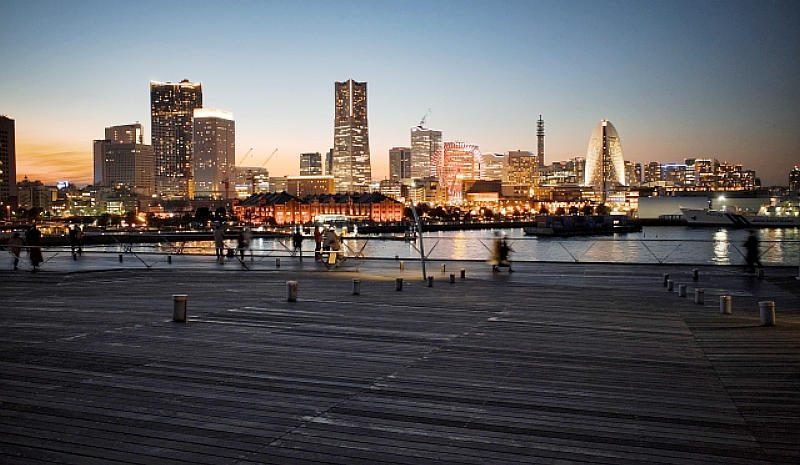
Photography is permitted throughout the public areas of the terminal. The rooftop is a favorite for capturing sunset and night skyline views during your tokyo to yokohama port transfer.
The terminal is highly family-friendly with open spaces and grassy lawns on the roof. It serves as a spacious area for children to walk during a tokyo to yokohama port transfer.
The facility is fully barrier-free. Elevators are available to reach the rooftop plaza as part of your tokyo to yokohama port transfer.
Restaurants and cafes are available on the 2nd floor. You may bring light refreshments to enjoy on the outdoor benches during your tokyo to yokohama port transfer.
Opening hours
00:00–23:59
Address
1-1-4 Kaigandori, Naka-ku, Yokohama, Kanagawa 231-0002, Japan
Accessibility
Barrier-free design with flat access and elevators.
Arrival window
00:00–23:59
Luggage
Coin lockers available on the 2nd floor.
Website
https://osanbashi.jp/english/
Public transport · Car · Accessible via the Yokohane Line. Parking is available on the 1st floor of the terminal.
Take the Minatomirai Line to Nihon-odori Station. It is a 7-minute walk to the terminal.
Public access to the terminal and rooftop plaza is free entry (0 JPY). No tickets or reservations are required for general sightseeing.
Recommended time
1-2 hours
When arranging your tokyo to yokohama port transfer, allocating one to two hours allows sufficient time to enjoy the rooftop plaza and coastal views before your cruise departure. As the terminal operates 24 hours, you have flexibility, though visitors seeking tokyo to yokohama port transfer tours often arrive during mid-morning to avoid peak ship boarding congestion. Those traveling with heavy luggage or requiring tokyo to yokohama port transfer tickets for specific transit services may find quieter periods during the late night, when the observation deck remains accessible.
Crowd levels through the day
Weather · crowds · average price — dots go green to amber to red as each metric rises.
Pleasant temperatures for walking the deck. Clear skies provide excellent views of the bay.
Verify if a cruise ship is docked before arrival to see the vessel up close.
Yokohama Port opened in 1859 as Japan's first international trading hub under the Treaty of Kanagawa, transforming a modest fishing village into the nation's gateway to the West. The original Osanbashi Pier was constructed in 1894 using wooden pilings, serving steamships from Europe and America that carried silk exports and imported machinery. By 1923, the Great Kanto Earthquake destroyed much of the waterfront infrastructure, including the original pier, forcing a complete reconstruction that introduced reinforced concrete and extended berthing capacity for larger vessels. Throughout the 1930s, Osanbashi became the primary departure point for Japanese emigrants sailing to North and South America, with thousands boarding ships bound for new lives abroad while families gathered on the pier to bid farewell. Post-war reconstruction in the 1950s saw the pier modernized with cargo-handling equipment and expanded terminals to accommodate the surge in international trade during Japan's economic miracle. The current Osanbashi International Passenger Terminal, designed by Foreign Office Architects, replaced the aging 1964 structure and opened in 2002 after a controversial international competition that initially selected another firm before procedural disputes led to a new jury decision. The building's continuous wooden deck, free of traditional walls and corners, creates an undulating rooftop plaza that doubles as a public park, reflecting a shift in port philosophy from purely functional infrastructure to civic architecture. Tokyo to Yokohama port transfer routes via train and bus expanded in parallel, connecting the terminal directly to Haneda Airport and central Tokyo stations to serve the growing cruise industry. The pier now hosts over one hundred cruise ship calls annually, ranging from regional ferries to vessels exceeding 300 meters in length, while the rooftop remains accessible 24 hours as a viewing platform for tokyo to yokohama port transfer tours and locals alike.
Yokohama Port opens under the Treaty of Kanagawa, establishing Japan's first international trade gateway.
Original Osanbashi Pier completes construction using wooden pilings to accommodate steam-powered cargo and passenger ships.
Great Kanto Earthquake destroys the pier, prompting reconstruction with reinforced concrete and expanded berthing.
Osanbashi serves as the primary emigration port, with thousands departing for the Americas aboard transpacific liners.
A new passenger terminal opens to handle increased postwar trade and tourism during Japan's economic boom.
Current Osanbashi International Passenger Terminal, designed by Foreign Office Architects, replaces the 1964 structure with a landmark wooden deck and rooftop plaza.
Stand at the very tip of the terminal to capture panoramic views of the Minato Mirai skyline and the cruise ships docked below. This geometric wooden architecture serves as a perfect frame for those seeking a smooth tokyo to yokohama port transfer tour.
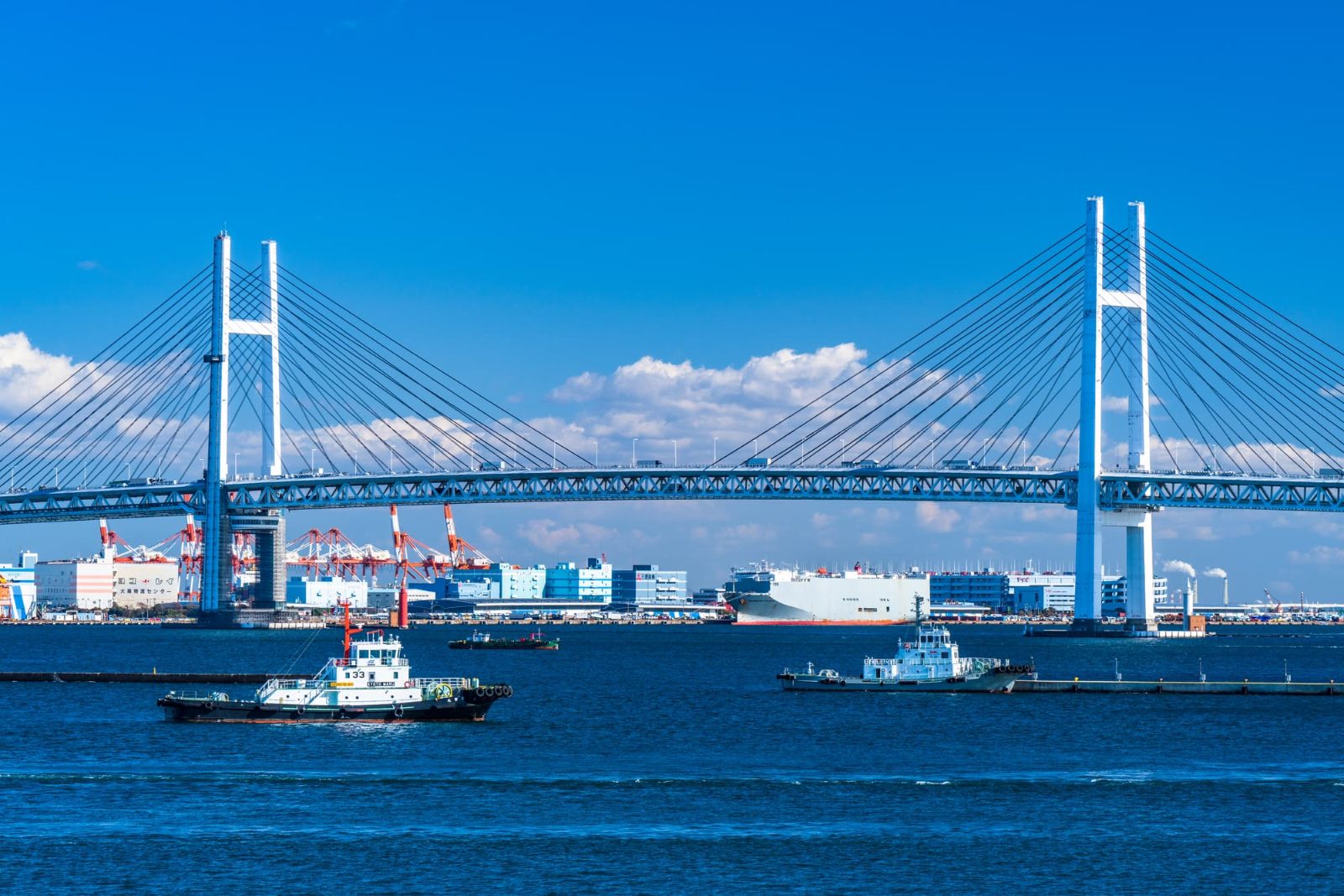
The expansive wooden rooftop, known as the Whale's Back, offers an unobstructed view of the Yokohama Bay Bridge. Walk toward the center to align the timber patterns with the distant urban landmarks during our tokyo to yokohama port transfer tours.
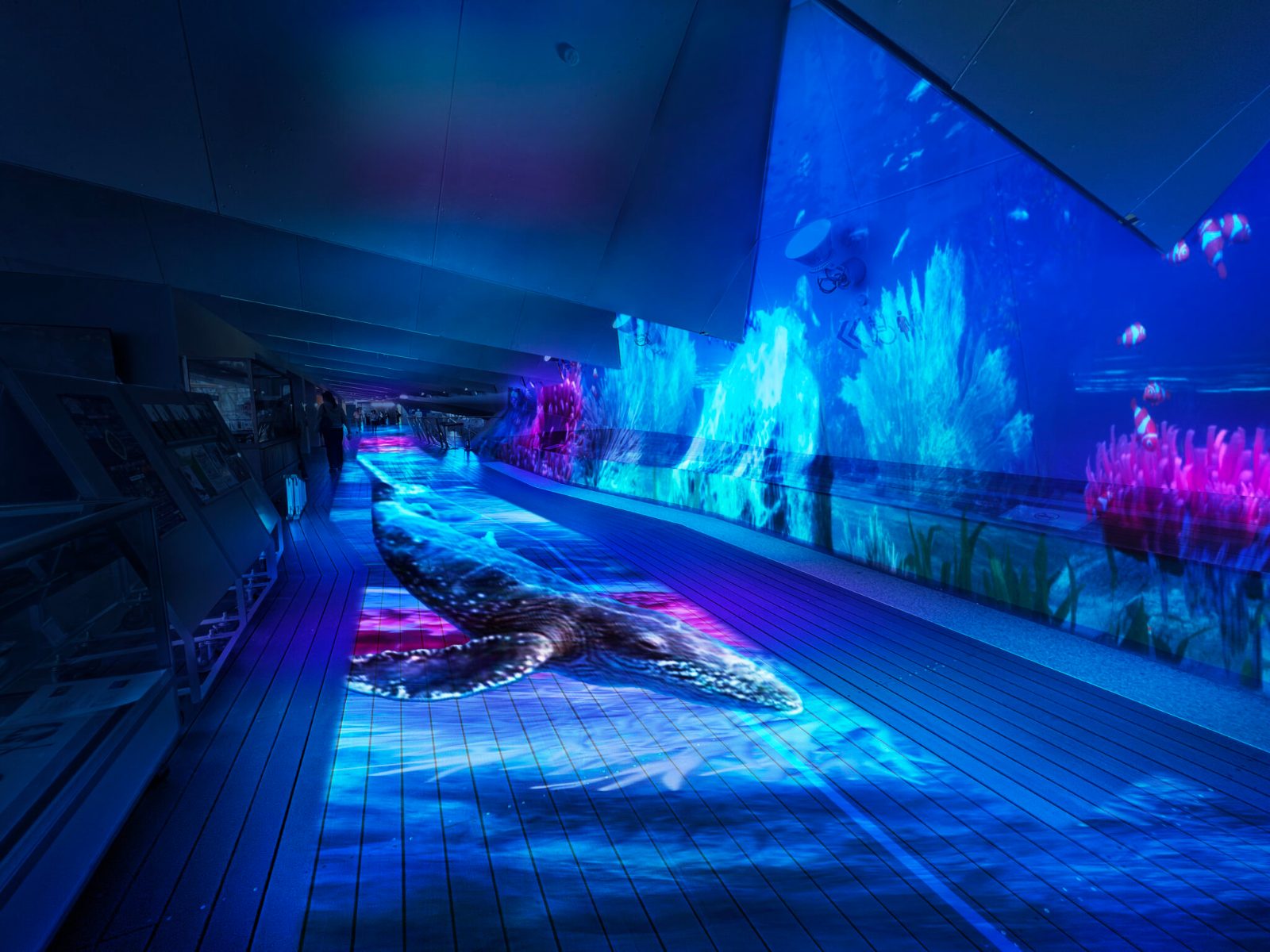
Position yourself along the floor-to-ceiling glass corridors to capture reflections of the interior design against the exterior harbor lights. This spot is popular for guests utilizing tokyo to yokohama port transfer tickets to document their transit.
Capture the dramatic slope of the terminal as it meets the water, providing a low-angle perspective of the port infrastructure. This location highlights the unique engineering of the structure for those completing a local Yokohama landmarks tour.
Visitors navigating a tokyo to yokohama port transfer will find convenient dining options directly inside the Osanbashi International Passenger Terminal and at the nearby historic harbor district. While the terminal provides immediate access to light refreshments, the surrounding waterfront offers a wider array of restaurants for those joining tokyo to yokohama port transfer tours.
Located within the terminal, this venue offers coffee and light snacks with views of the docking berths. It serves as a convenient stop for travelers using tokyo to yokohama port transfer tickets.
A popular choice in the nearby Red Brick Warehouse area, specializing in breakfast and casual fusion dishes. Ideal for a relaxed meal before or after a tokyo to yokohama port transfer tour.
A selection of casual eateries located a short walk away along the historic railway path. These spots provide quick bites suitable for guests exploring Yokohama landmarks during their transit.
Real experiences from real travelers
Our tokyo to yokohama port transfer was perfectly timed for our cruise departure. Driver met us at our Shinjuku hotel lobby with a clear sign, vehicle was immaculate with plenty of luggage space. The route along the bay offered lovely views of the bridge and harbor as we approached the terminal. Stress-free start to our voyage.
Booked this service for our family of four with eight bags. The spacious van handled everything easily and the driver navigated Tokyo traffic with quiet efficiency. He dropped us right at the Osanbashi terminal entrance 90 minutes before boarding as requested. Smooth ride, fair pricing, no surprises.
After a long flight we needed direct transport from Haneda to Yokohama port for an evening departure. Driver tracked our arrival gate and was waiting when we cleared customs. The transfer took about 50 minutes in light afternoon traffic, giving us ample margin. Vehicle was cool and comfortable in June heat.
The tokyo to yokohama port transfer service delivered exactly what we needed—no detours, no delays. Vehicle interior was spotless and the driver spoke enough English to confirm our ship name and terminal. Only minor point: GPS routing took us through Kannai instead of the expressway, adding 10 minutes, but we still arrived with time to spare.
We compared train options with heavy luggage versus this private transfer and chose correctly. Door-to-door convenience from our Shibuya hotel to the cruise terminal in under an hour. Driver helped with bags at both ends and knew the terminal layout well. The coast road approach gives you a real sense of arrival at the port.
Our group of six booked two vehicles for the tokyo to yokohama port transfer and both arrived within minutes of each other at our Asakusa hotel. Drivers communicated by radio to stay together during the trip. We rolled up to the Osanbashi terminal in convoy, bags were unloaded efficiently, and we checked in with zero stress.
Living in Osaka, I've arranged this tokyo to yokohama port transfer for international guests twice now. Both times the service was courteous, vehicles modern, and timing precise. The route passes Minato Mirai 21 towers and Red Brick Warehouse district—passengers always enjoy that glimpse of Yokohama before boarding.
We had an early 7am cruise departure which meant a 5am hotel pickup in Roppongi. Driver was waiting at 4:58am, helped load our bags in dim light, and we made the journey in 55 minutes with almost no traffic. Watched the sunrise over Tokyo Bay from the vehicle. Arrived calm and ready to embark.
Used this service for the return leg from Yokohama port back to Narita Airport after our cruise ended. Disembarkation was slower than expected but our driver monitored the ship status and adjusted pickup time via text message. Van was waiting when we cleared customs at the terminal. Professional handling of a variable schedule.
The tokyo to yokohama port transfer solved our biggest logistical worry—getting six suitcases and ourselves from central Tokyo to the cruise ship without train transfers. Vehicle was spacious, driver courteous, route efficient. We passed through the bay tunnel and emerged right at the waterfront terminal zone. Perfect start to our Pacific voyage.
Everything you need to know for your journey
No, entry to the terminal and rooftop plaza is 0 JPY, making it perfect for budget-friendly sightseeing. You do not need to purchase tickets to enjoy the views at the Yokohama International Passenger Terminal.
The terminal is open 24 hours daily, providing flexibility for your schedule. You can access the public areas at any time.
The recommended arrival window is 00:00–23:59, as the terminal is open 24 hours to accommodate various travel and viewing needs.
Yes, coin lockers are provided on the 2nd floor of the Yokohama International Passenger Terminal for your convenience.
The terminal is barrier-free, with elevators provided for easy access to the rooftop deck.
Yes, photography is welcome at the terminal, and the rooftop provides excellent panoramic views of the port.
Autumn and spring are ideal due to the pleasant weather, though the night views are impressive year-round at the terminal.
You can arrive by train via the Minatomirai Line to Nihon-odori Station or by taxi/car for your tokyo to yokohama port transfer.
Yes, there are cafes and restaurants located on the 2nd floor of the terminal.
Historic brick buildings featuring shops and cafes.
High-end hotel with direct waterfront access.
Join thousands of happy travelers who have discovered this incredible experience
Book Your Experience Now