2 hr
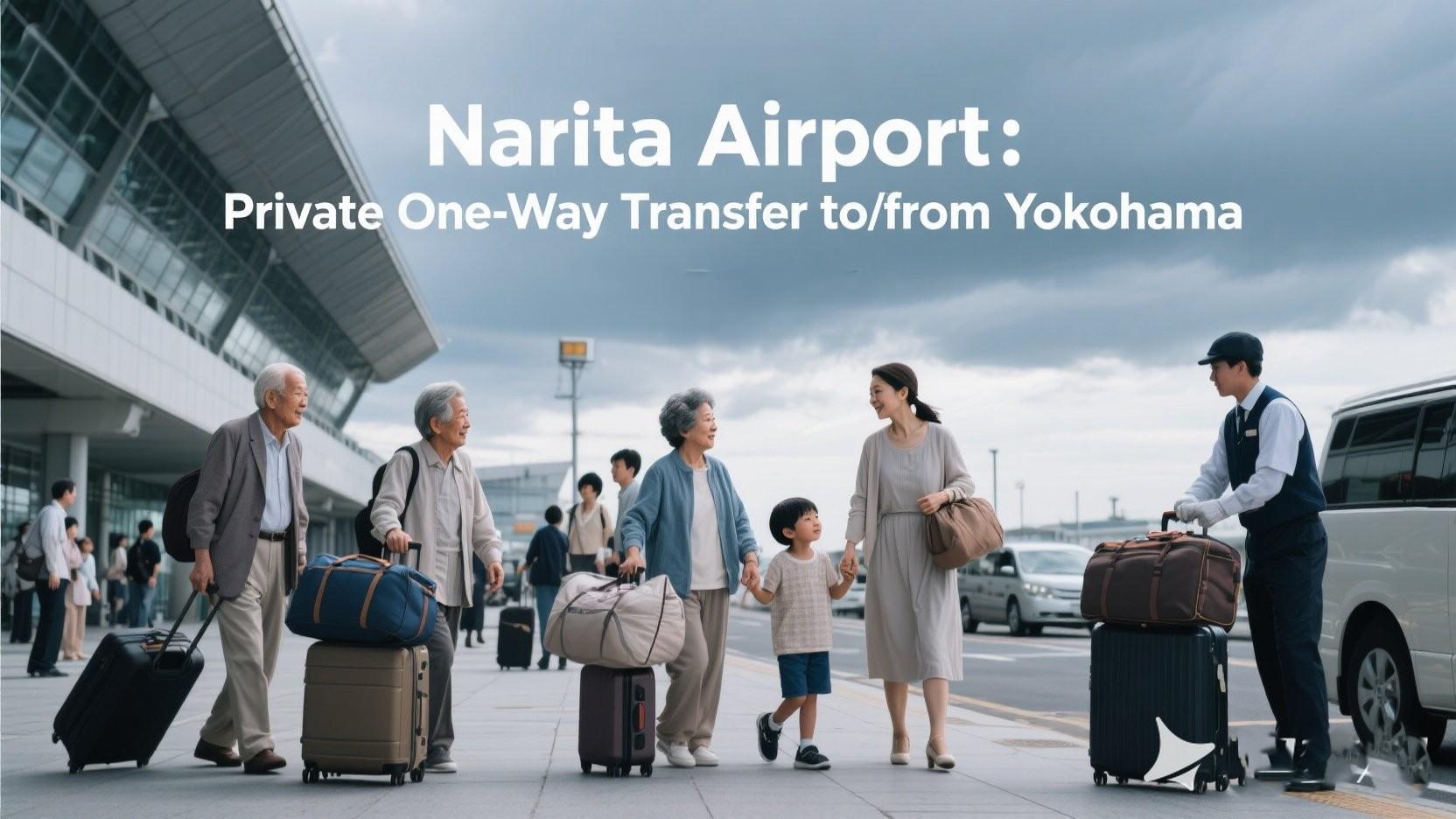
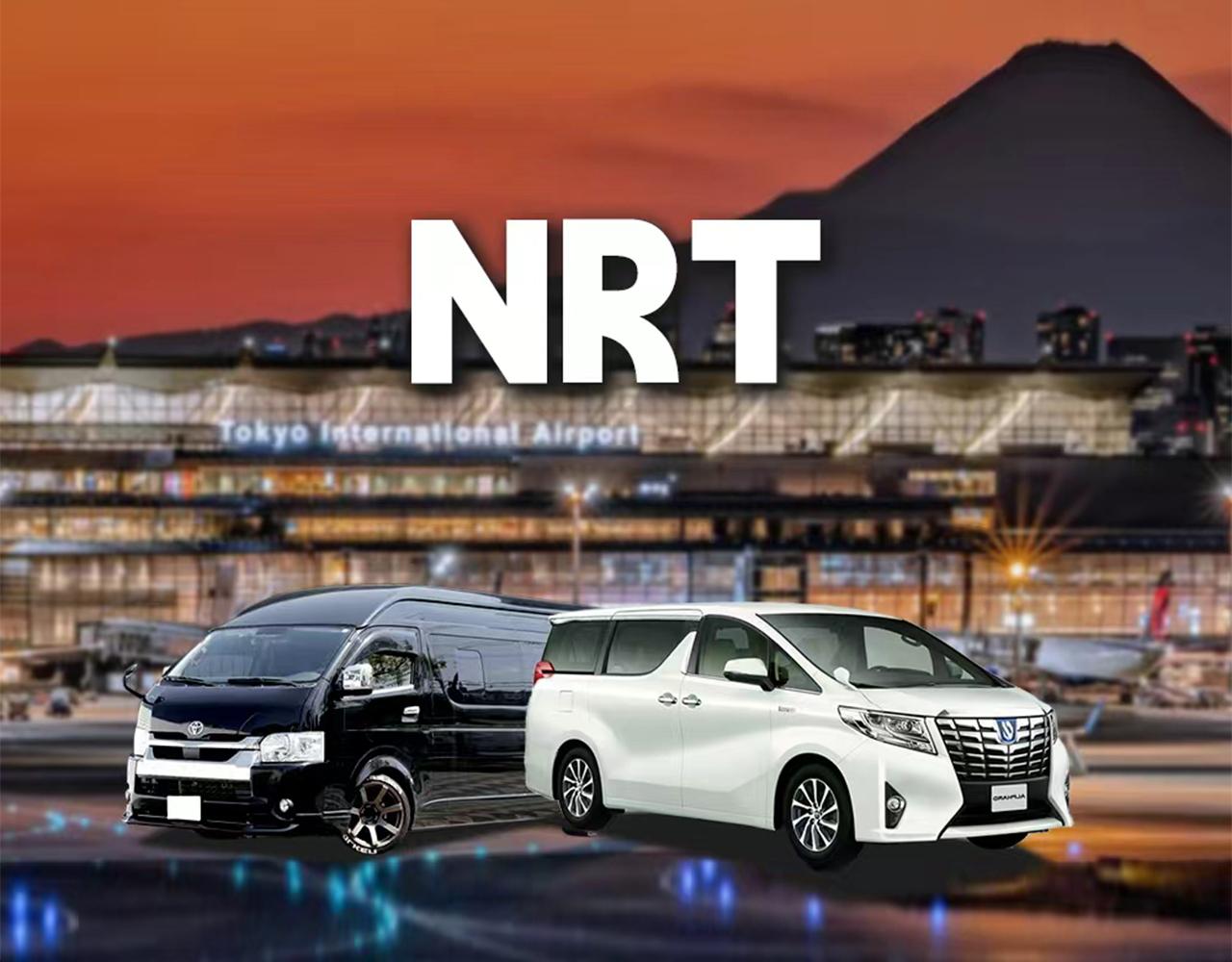
Private Narita Airport Transfer to Yokohama
- Private experience
- Personal attention
- Premium amenities
- Free cancellation
Yokohama Port to Narita Airport — Private Transfers & Express Rail
Door-to-door service from cruise terminals, express trains from city stations
Compare fares, pick the fit — all bookings are mobile-voucher and eligible for free cancellation where shown.
2 hr
2 hr
1 hr 30 min
Visitors planning their yokohama port to narita airport transit can enjoy free access to the public port area, which serves as a central hub for exploring local landmarks. While terminal facilities like Osanbashi Pier offer open promenades for travelers, dedicated attractions within the port vicinity may require specific tickets for full entry.
| Public Port Access — |
Top pick Port Museum & Ship All-inclusive Entry |
|
|---|---|---|
| Entrance Fee | 0 JPY | 600 JPY |
| Access Method | Public walkways | Walk-in terminal desk |
| Operating Hours | 00:00–23:59 | 10:00–17:00 (approximate) |
| Best For | First-time visitors | Museum and maritime history fans |
| Inclusions | Harbor air and views | Sailing ship and museum zones |
| See tickets & prices |
Verdict: For the best experience, pick the Port Museum & Ship tickets if you wish to tour the historic vessels, or simply utilize the free public access areas when transitioning from your yokohama port to narita airport tour.
Worth it for early flights and group arrivals
Getting from yokohama port to narita airport makes sense when you're traveling with companions or catching an early departure. Private transfers run continuously and deliver door-to-door service without luggage transfers, cutting stress for cruise passengers with heavy bags. Shared express trains from nearby Yokohama Station cost less but require platform changes at Tokyo or Nippori. Private vehicles handle the 90-kilometer route in 90–120 minutes depending on traffic; the Keisei Skyliner plus connecting rail takes similar time but splits across three segments. Groups of three or more break even on cost while keeping flexibility. Solo travelers on midday flights save substantially by train despite the added coordination. The port's 24-hour access supports red-eye departures, and dedicated airport transfers include flight monitoring.
Bottom line: Private yokohama port to narita airport transfers justify the expense when you're traveling as a group, managing bulky cruise luggage, or facing tight flight windows.
Most travelers prioritize the speed of rail for solo trips, but many cruise passengers choose a private transfer for the convenience of door-to-door service. You can secure your spot on yokohama port to narita airport tours to ensure a seamless transit.
|
Top pick Private Airport Transfer |
Narita Express (N'EX) | |
|---|---|---|
| Transit Type | Door-to-door car service | |
| Average Duration | 90–120 minutes | |
| Luggage Handling | Assisted by driver | |
| Typical Price | ¥30,000–¥45,000 per vehicle | |
| Ease of Use | High - no transfers | |
| Best For | Families and cruise groups | |
| See tickets & prices |
Verdict: If you are managing heavy luggage or traveling in a group, a private transfer offers the most stress-free experience, whereas the Narita Express provides a reliable, cost-effective link for those holding individual yokohama port to narita airport tickets.
Hand-picked experiences loved by thousands of travelers
1.5 hours
Free Cancellation
Direct private transport between Narita Airport and your Tokyo accommodation with flight tracking and generous wait time
Approximately 40-45 minutes
High-speed rail connection between Narita Airport and central Tokyo with guaranteed seating every 20 minutes
1.5 hours
Free Cancellation
Comfortable door-to-door transport between central Tokyo and Narita Airport with professional drivers
1.5 hours
Free Cancellation
Door-to-door transport for solo travelers or groups up to 8, with flight tracking and round-the-clock support
1.5 - 3 hours
Free Cancellation
Private car service connecting Narita Airport with Tokyo, Yokohama, Disney Resort, Hakone, and Mt. Fuji region
1.5 hours
Free Cancellation
Skip the hassle with a direct private ride from the airport to your hotel—round-the-clock service with generous wait times included.
5 hours
Free Cancellation
Five-hour chauffeured sightseeing journey combining airport transportation with city exploration
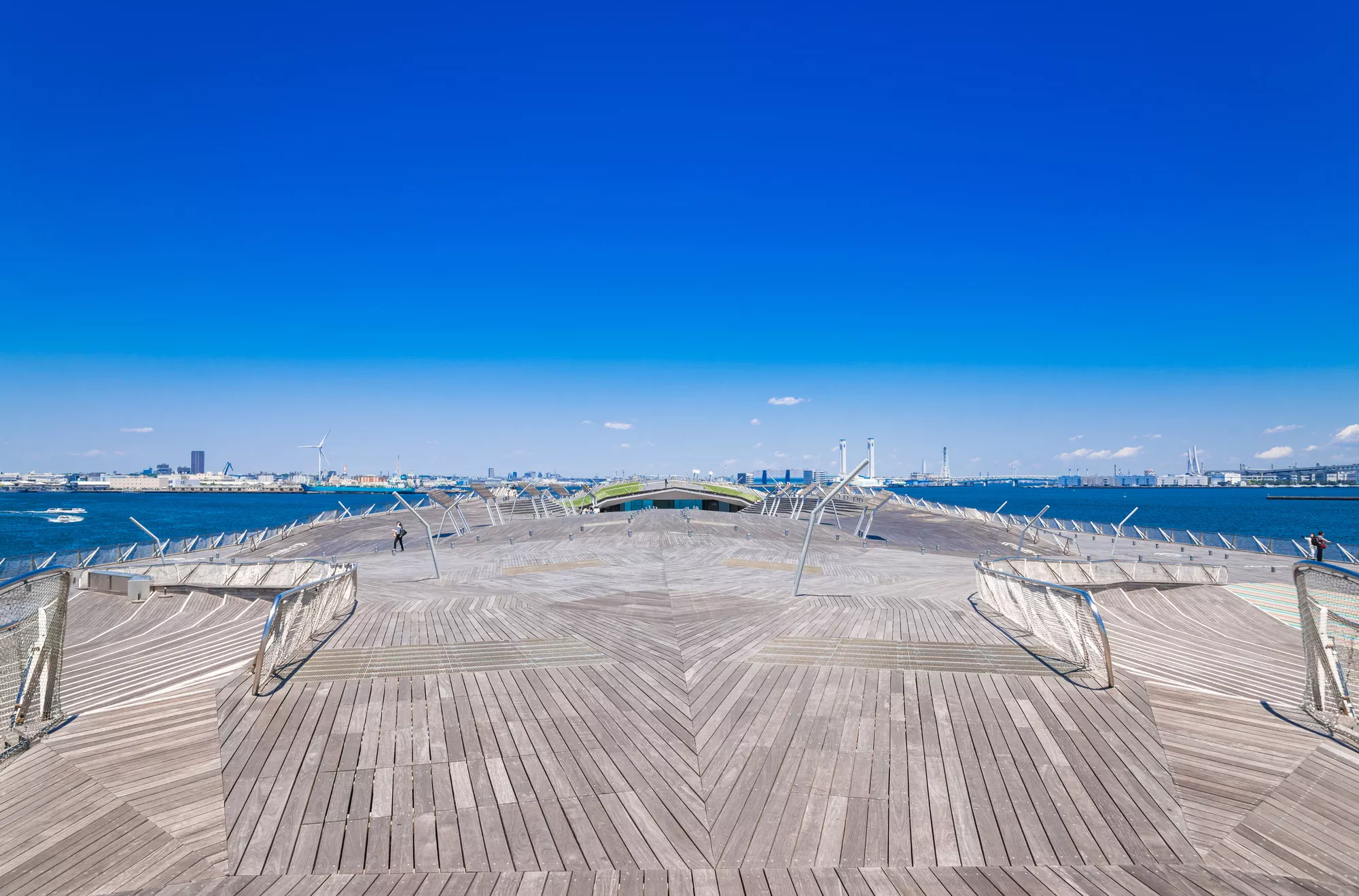
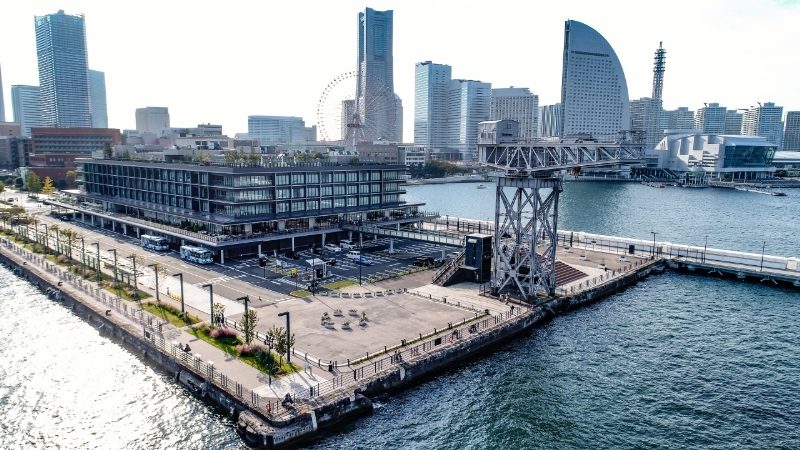
An architectural landmark with a rooftop plaza offering panoramic harbor views.
A commercial facility featuring a historic 50-ton hammerhead crane from 1914.
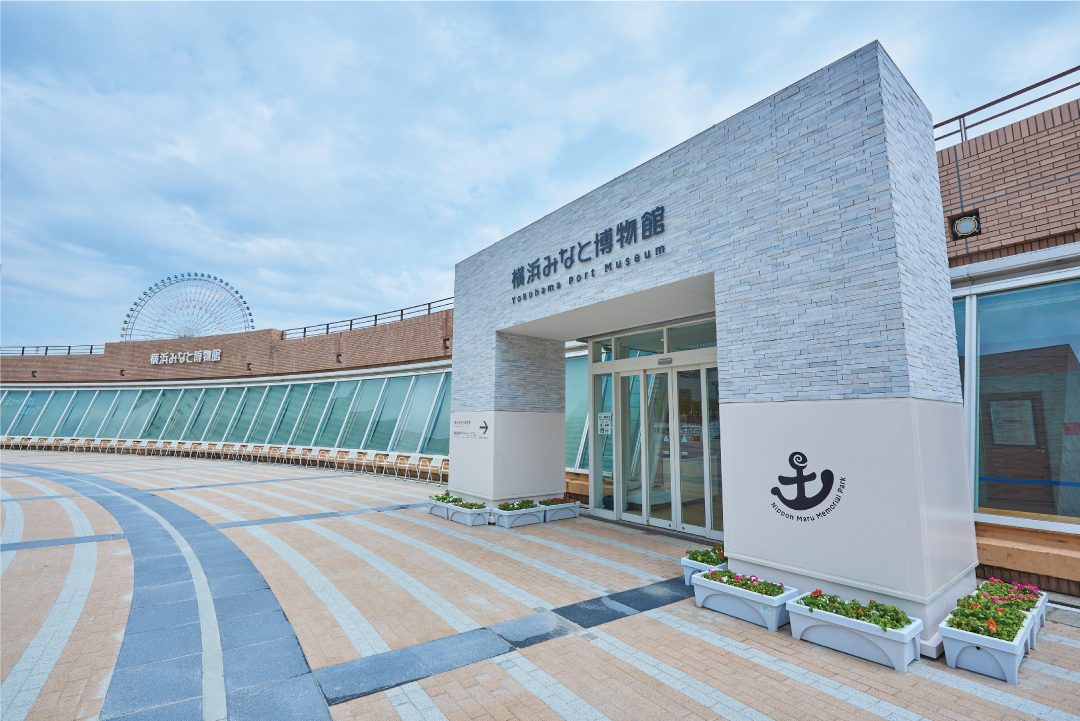
An interactive museum detailing the evolution of Yokohama's international trade history.
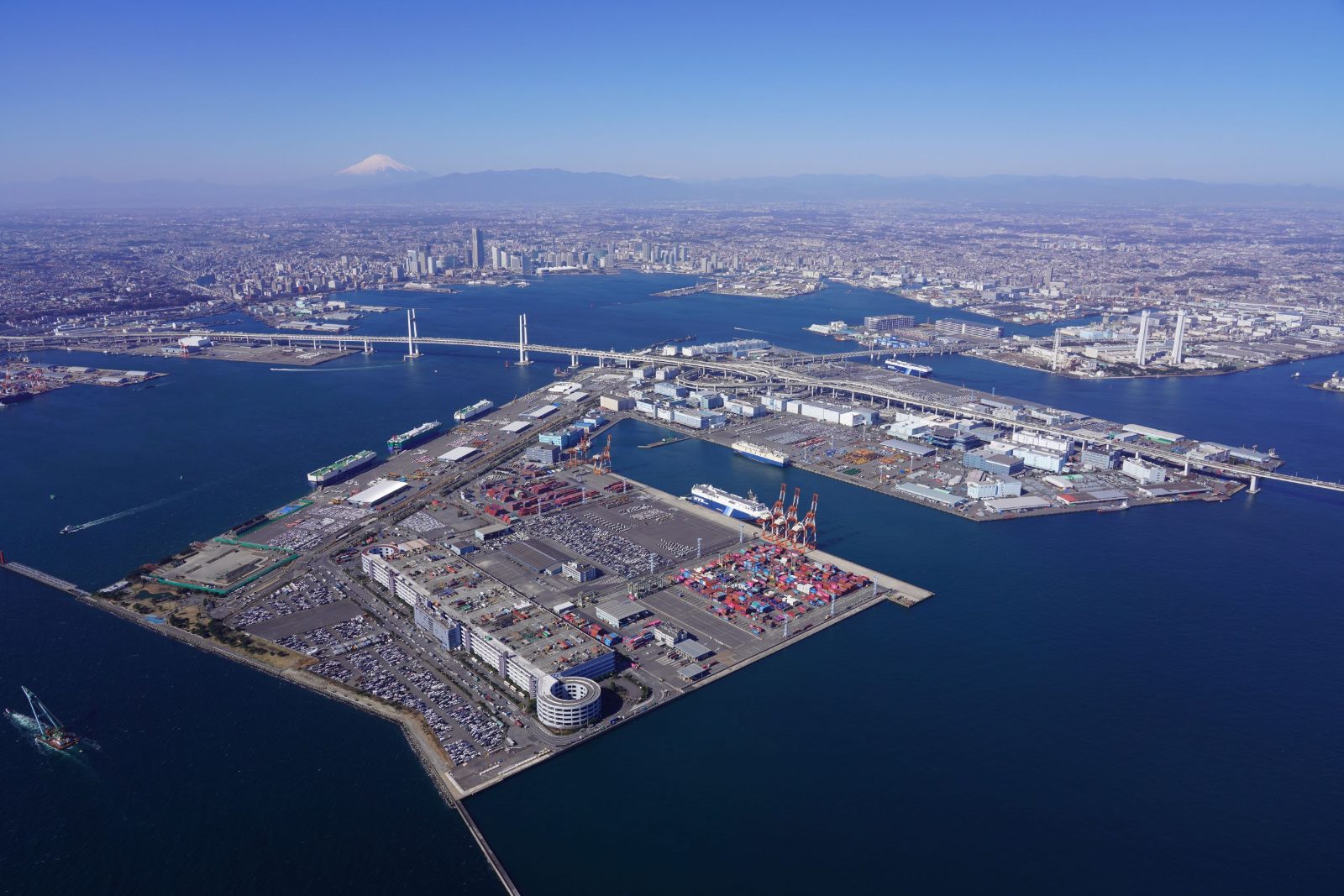
Designed to handle ultra-large passenger ships that exceed Bay Bridge clearance.
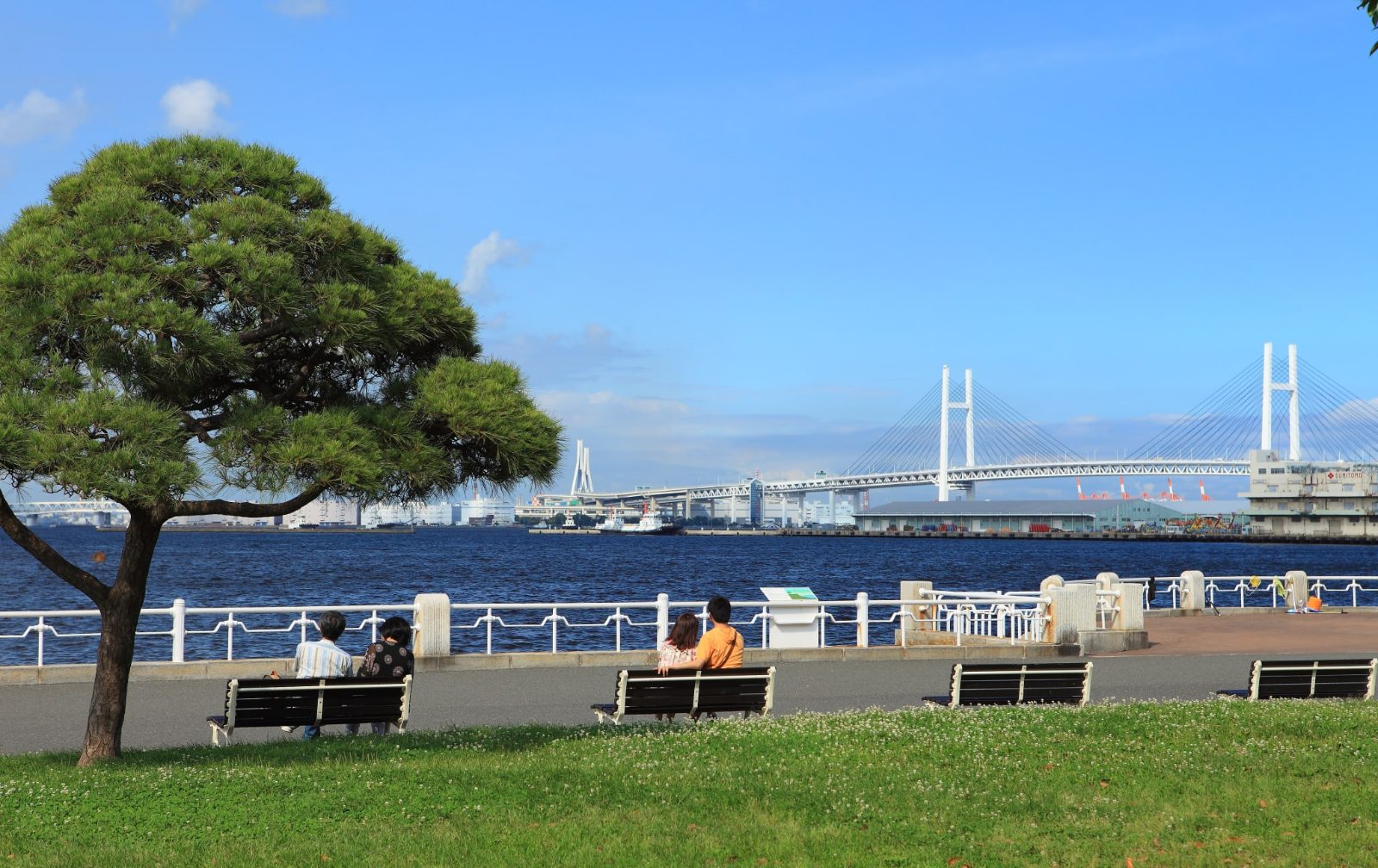
A scenic waterfront park offering views of the port and historical landmarks.
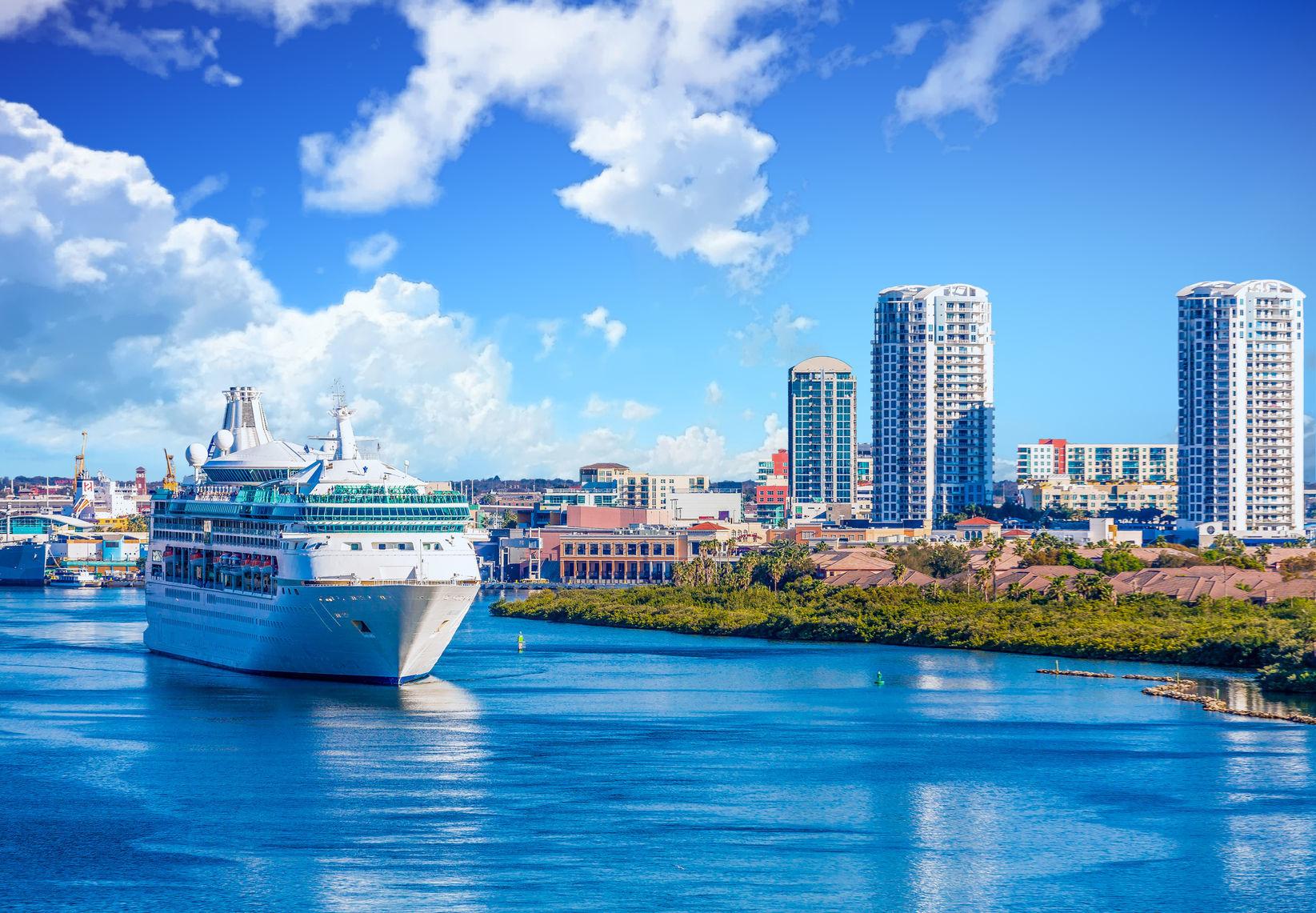
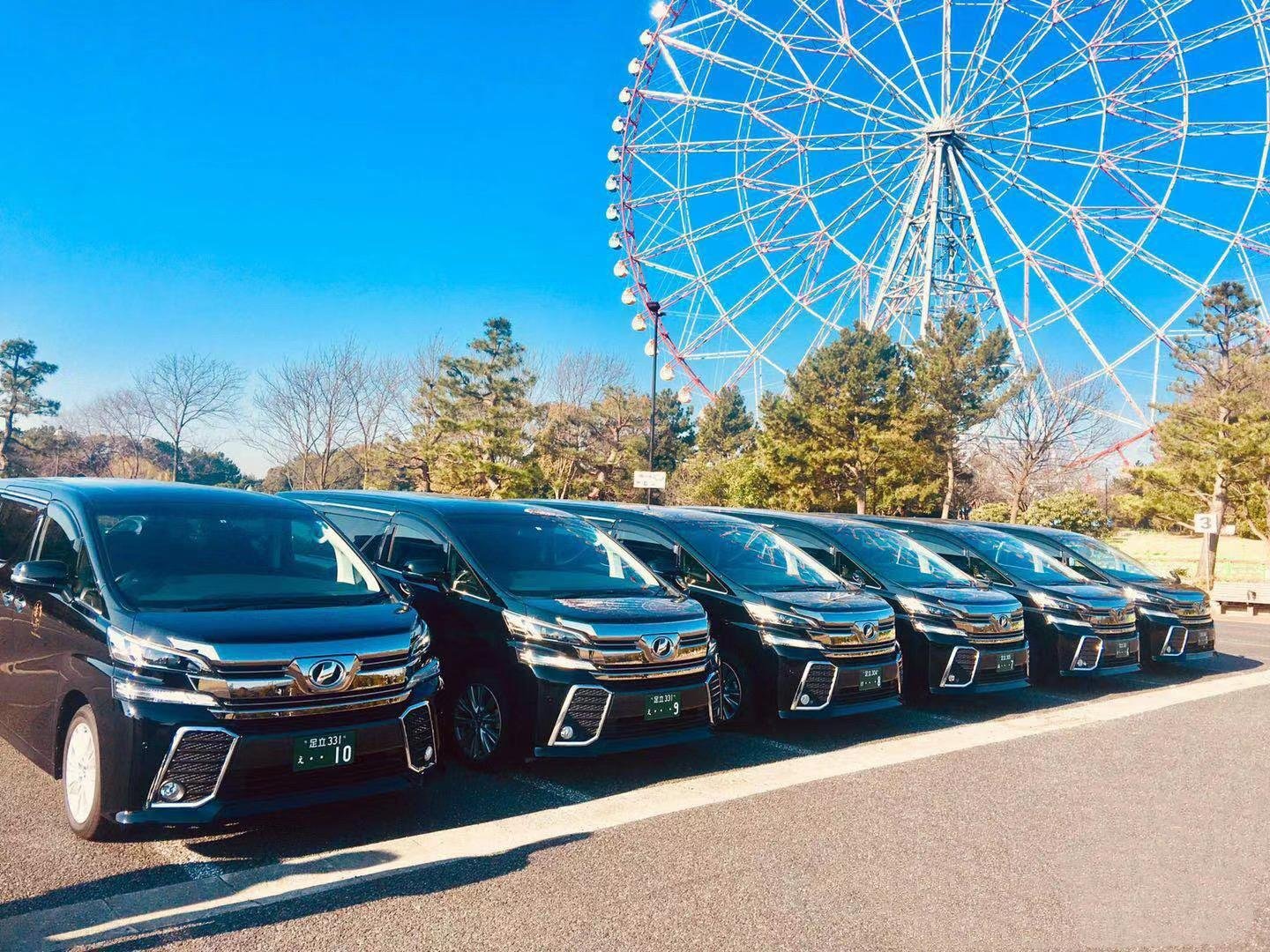
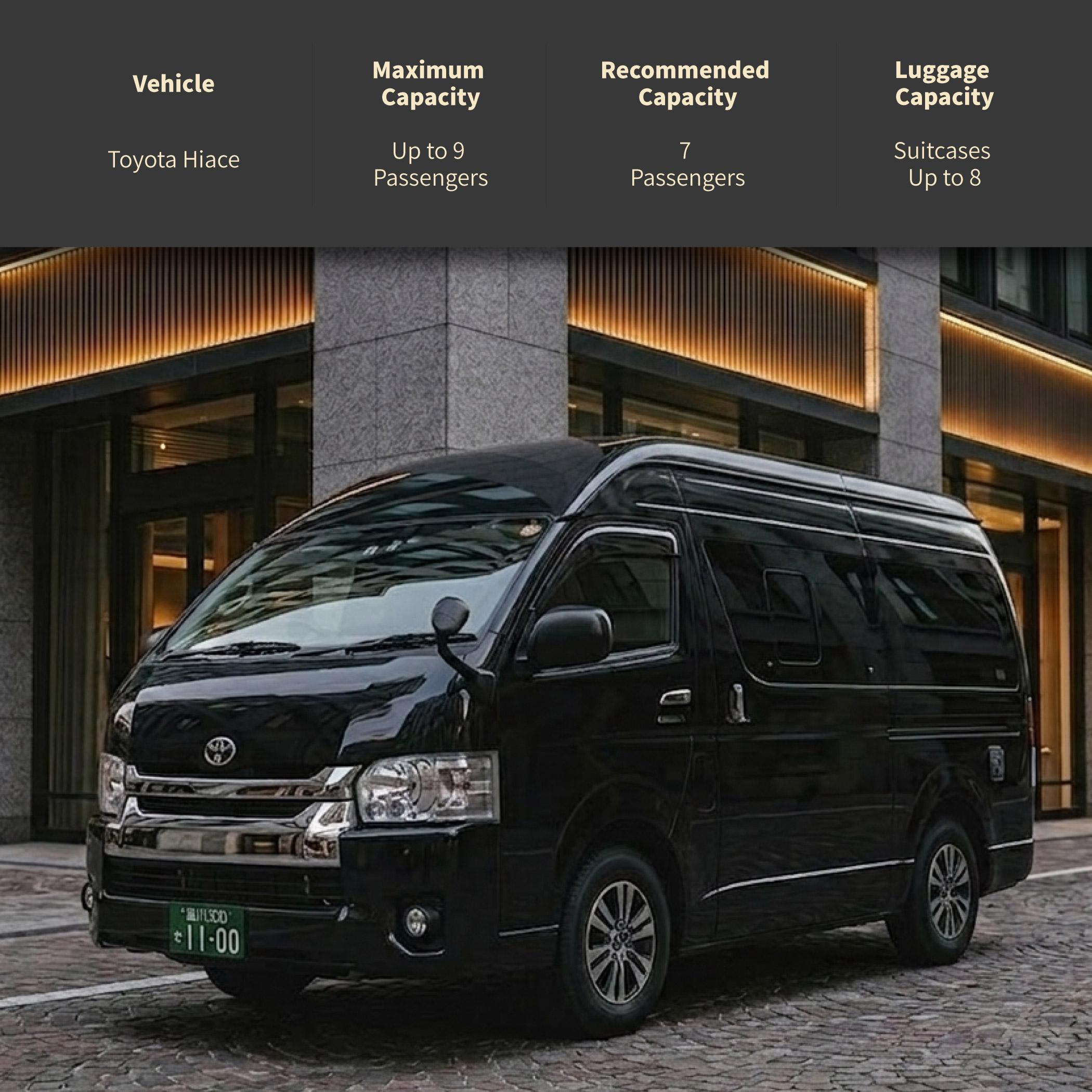
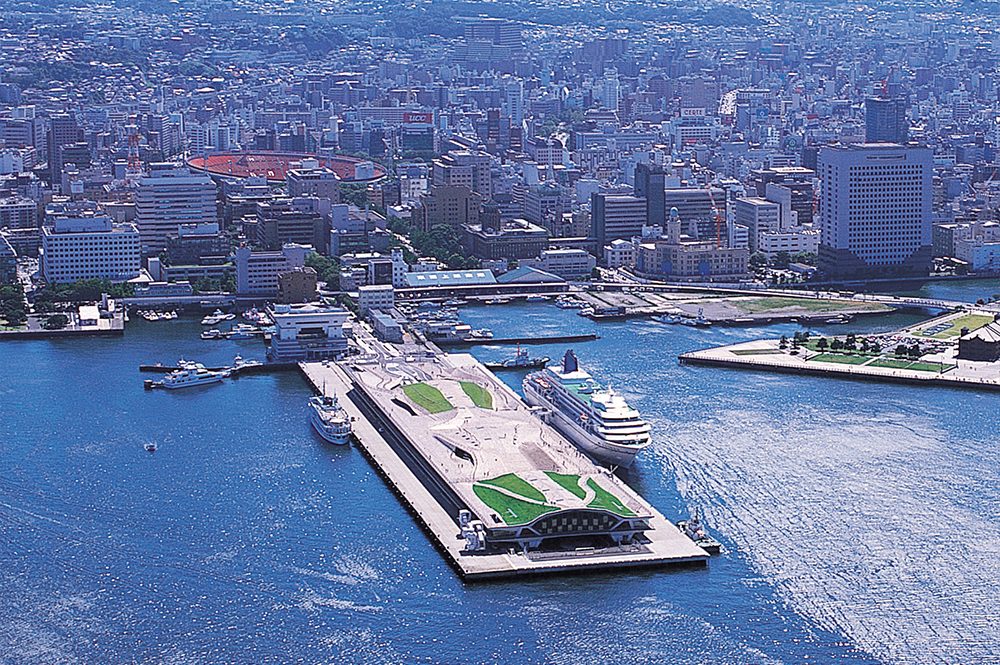
You disembark at Osanbashi terminal with the cranes of Honmoku Pier visible across the harbor. A private transfer driver meets you at the passenger exit, directing luggage into a sedan or minivan depending on your party size.
The vehicle exits the port precinct onto Kaigan-dori, merging with the Bayshore Route as Yokohama's high-rises recede in the rearview.
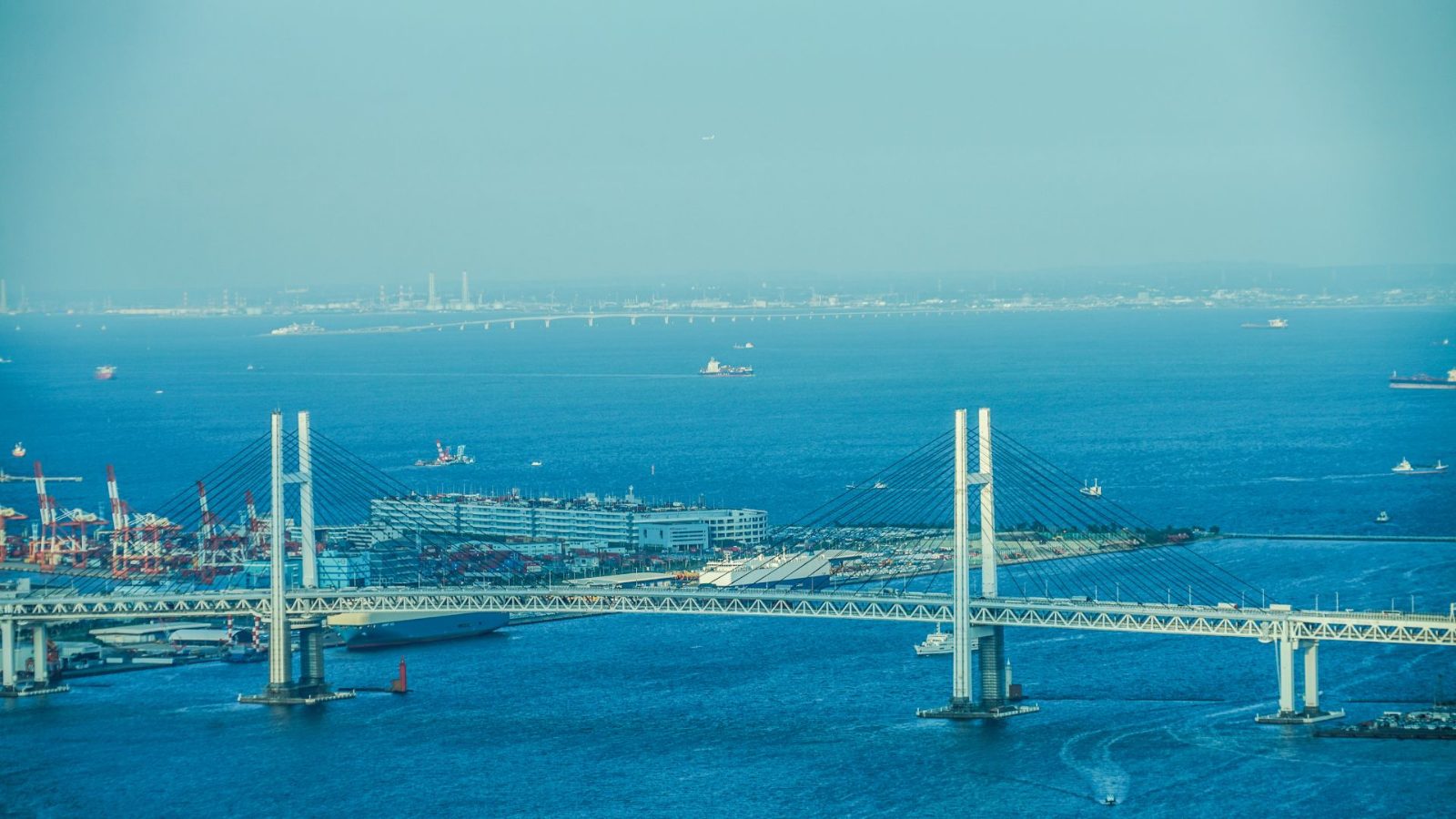
The expressway traces the curve of Tokyo Bay, passing under the illuminated spans of the Tsurumi Tsubasa Bridge and skirting the oil refineries of Kawasaki. You cross into Chiba Prefecture, where the route transitions to the Higashi-Kanto Expressway and suburban density gives way to logistics parks and paddy fields. Narita's approach is marked by the appearance of soundproofing walls and the descent of aircraft on final approach.
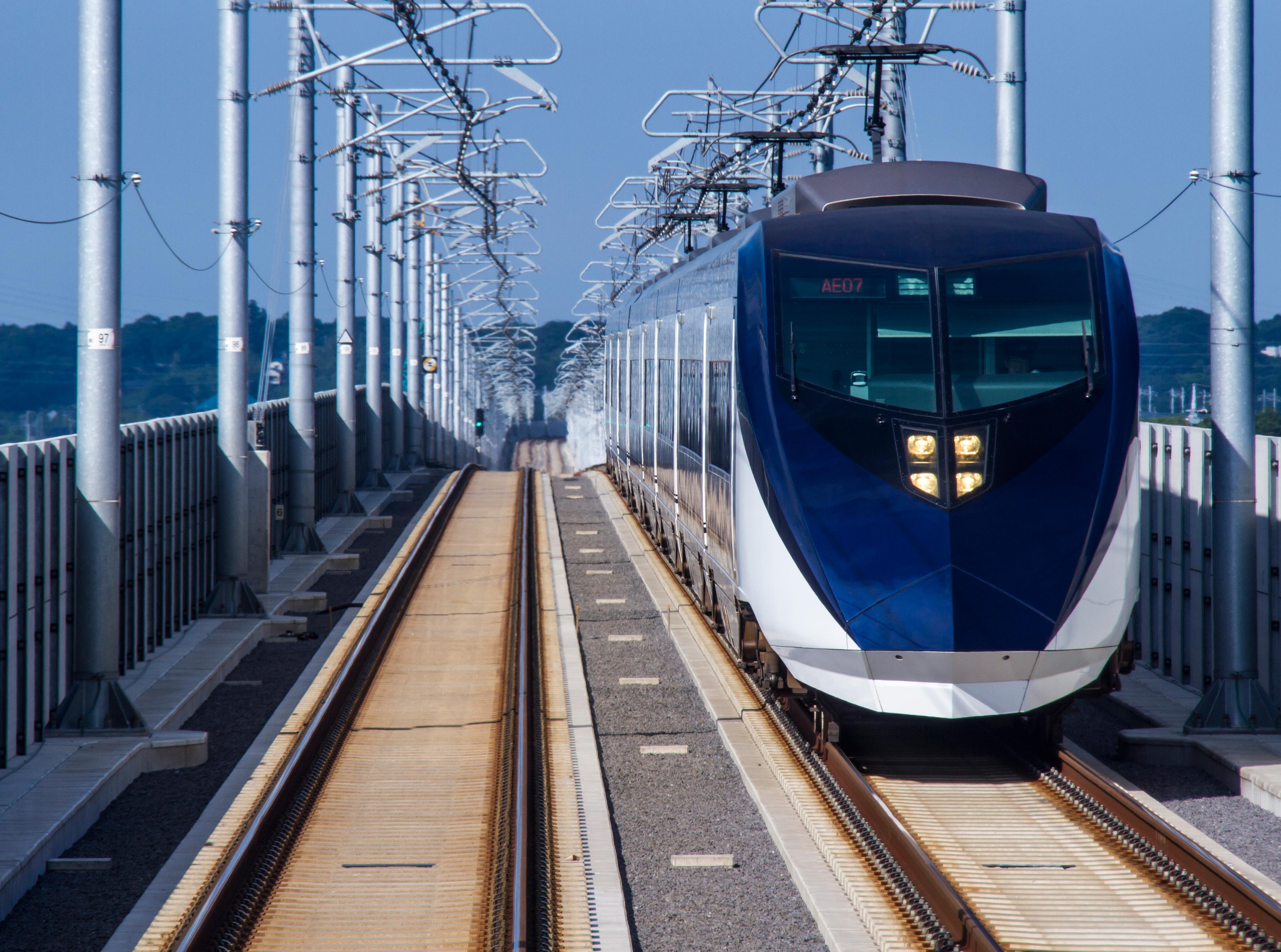
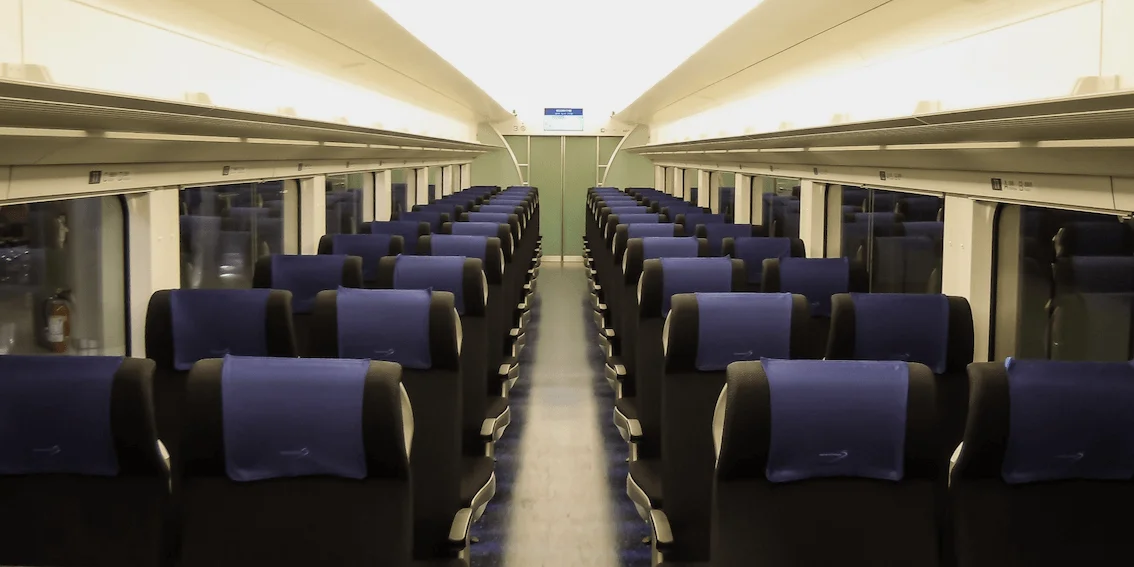
Alternatively, you board a local train at Sakuragicho station, riding the Negishi Line to Yokohama Station, then transferring to the Yokosuka Line for Tokyo or the Keihin-Tohoku Line for Nippori. At Nippori you purchase a Keisei Skyliner e-ticket, passing through the dedicated gate to a streamlined coach with overhead racks and USB charging ports. The Skyliner accelerates through Ueno and into open country, arriving at Narita Terminal 2 thirty-six minutes later. You collect luggage from the overhead bin and proceed directly to international check-in.
All the details about your upcoming adventure in one place
Narita International Airport lies eighty kilometers northeast of Yokohama Port, a distance that separates one of Asia's busiest cargo and cruise hubs from Japan's primary international gateway.
The route connecting them carries cruise passengers, business travelers, and residents of the Keihin Industrial Zone, threading through Tokyo Bay's reclaimed land and the suburban corridor of Chiba Prefecture. No direct rail service links the port district to the airport; every journey requires at least one transfer or a private vehicle.
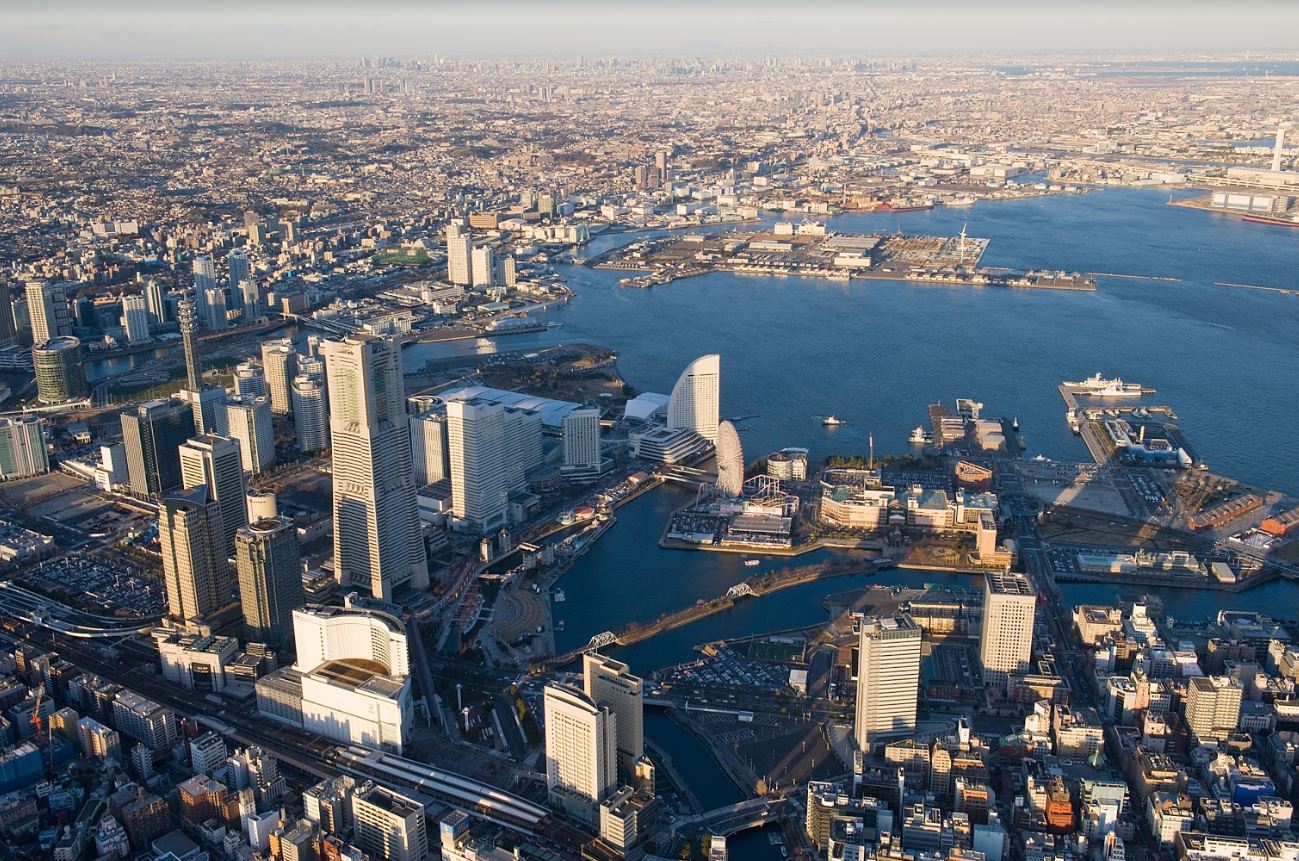
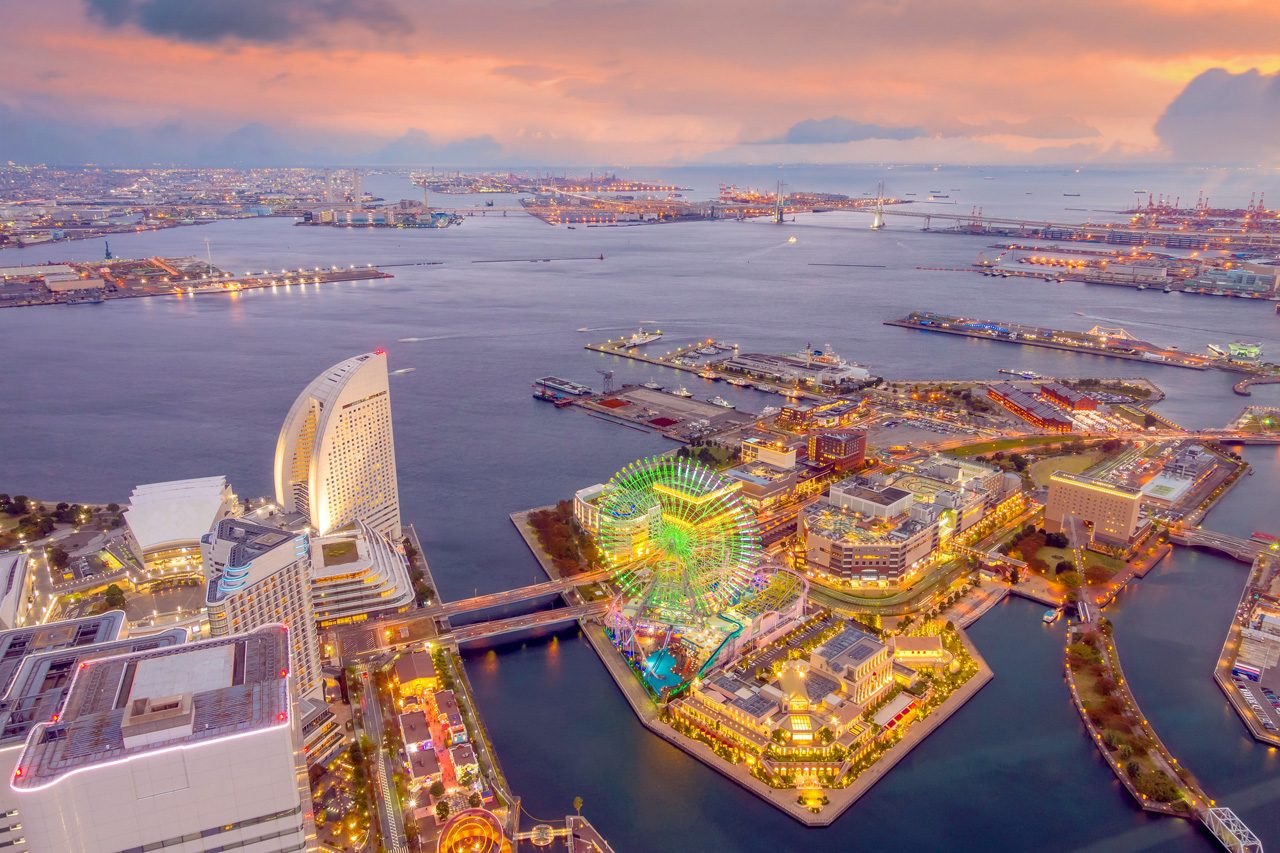
Yokohama Port occupies six kilometers of waterfront in Naka Ward, anchored by the Osanbashi International Passenger Terminal and flanked by container facilities that handle twenty-five million tons of freight annually. Narita opened in 1978 after decades of land disputes, replacing the cramped Haneda as Tokyo's long-haul hub. Today it processes forty million passengers each year, with three terminals serving more than ninety airlines. The spatial separation of port and airport reflects postwar infrastructure planning that prioritized industrial zoning over integrated transport.
Travelers departing Yokohama Port to Narita Airport face three principal options: private transfer vehicles that navigate the Bayshore Route and Higashi-Kanto Expressway in ninety minutes under clear conditions, express rail combinations that require a Yokohama city train to Tokyo or Nippori followed by the Keisei Skyliner or Narita Express, and shared shuttle services that consolidate passengers at collection points along the waterfront. Door-to-door transfers eliminate the handling of luggage across platforms and suit cruise passengers with rigid departure schedules. The Keisei Skyliner, a limited-express service introduced in 1978 and upgraded to 160-kilometer-per-hour rolling stock in 2010, covers the final leg from Nippori to Narita terminals in thirty-six minutes, but requires an initial commute from the port district to central Tokyo.
Peak travel months—April cherry blossom season and October through November when cruise itineraries concentrate in Japanese waters—see demand for Yokohama Port to Narita Airport transport rise by thirty percent. Highway congestion around Tokyo Bay's industrial belt can extend private transfer times to two hours during morning and evening peaks. Rail combinations typically require seventy-five to ninety minutes station-to-gate, factoring in platform transfers and the walk from Yokohama's harborfront to Sakuragicho or Kannai stations. Advance booking secures fixed pricing and eliminates the risk of sold-out express train seats on high-volume departure days.

No direct rail service links the port district to the airport; every journey requires at least one transfer or a private vehicle.
Casual and comfortable clothing is recommended for your yokohama port to narita airport transit, especially if navigating terminals with luggage.
Security protocols are standard at Yokohama Port; ensure all luggage is labeled and keep travel documents accessible when completing your yokohama port to narita airport transfer.
Photography is permitted in public areas of the terminals, though please respect privacy signage and restricted operational zones at the port.
Families traveling with children will find the port terminals well-equipped with restrooms and easy-to-navigate pathways for a smooth yokohama port to narita airport trip.
Most passenger terminals at Yokohama Port offer step-free access and elevators to facilitate your yokohama port to narita airport journey.
Various dining options are available within the pier buildings, such as at Shinko Pier, for those waiting before a yokohama port to narita airport shuttle.
Opening Hours
00:00–23:59
Address
Kaigan-dori, Naka Ward, Yokohama, Kanagawa 231-0002, Japan
Transit
Narita Express & Limousine Bus options available
Best Window
00:00–23:59
Services
Coin-operated lockers at terminals
Cancellation policies vary by operator for a yokohama port to narita airport tour. Please refer to individual product terms for refund windows; entrance to the port area is 0 JPY.
Recommended time
3-4 hours
When arranging your yokohama port to narita airport transit, allow for substantial buffer time to account for Tokyo rush hour traffic and terminal security. While the port area itself remains accessible 24/7, travelers often utilize various yokohama port to narita airport tours to streamline luggage handling and avoid station navigation. Securing your yokohama port to narita airport tickets in advance ensures priority seating during peak congestion, helping you manage the commute to the international terminal with confidence.
Crowd levels through the day
Yokohama Port opened to foreign trade on June 2, 1859, following Commodore Matthew Perry's arrival and the signing of the Treaty of Kanagawa in 1854. The shogunate designated a marshy fishing village as Japan's gateway to the West, deliberately choosing a remote settlement over established Edo to contain foreign influence. Within a decade, Yokohama eclipsed Nagasaki as the nation's busiest international harbor. British engineer Richard Henry Brunton supervised the construction of Japan's first modern breakwater between 1889 and 1896, transforming the shallow bay into a deep-water anchorage capable of receiving steamships. The Great Kantō Earthquake of September 1, 1923, leveled the port's warehouses and killed over thirty thousand residents, yet reconstruction crews reopened the main piers within eighteen months. Post-war occupation forces commandeered Yokohama Port in August 1945, converting it into a logistics hub for Allied operations across the Pacific. American engineers dredged new channels and installed container-handling cranes that laid the groundwork for Japan's export boom. The port reclaimed its sovereignty in 1952 and inaugurated Japan's first container terminal at Honmoku Pier in 1970, a facility that processed over one million TEUs annually by 1975. Transit routes connecting yokohama port to narita airport emerged in the 1970s as international air travel expanded, with limousine bus services launching in 1978 to serve cruise passengers disembarking at Ōsanbashi Pier. Today the port handles both cargo vessels and luxury cruise ships, maintaining its role as a Pacific crossroads while offering continuous yokohama port to narita airport tours via dedicated shuttle networks that operate around the clock.
Yokohama Port opens to foreign trade under the Treaty of Kanagawa, replacing Nagasaki as Japan's primary international gateway.
British engineer Richard Henry Brunton completes Japan's first modern breakwater, enabling deep-water berths for steamships.
The Great Kantō Earthquake destroys port infrastructure; reconstruction restores operations within eighteen months.
Allied occupation forces control the port, modernizing cargo handling and dredging new shipping channels.
Honmoku Pier opens as Japan's first container terminal, processing over one million TEUs annually by mid-decade.
Dedicated limousine bus services connecting the port to Narita Airport begin operations for cruise passengers.
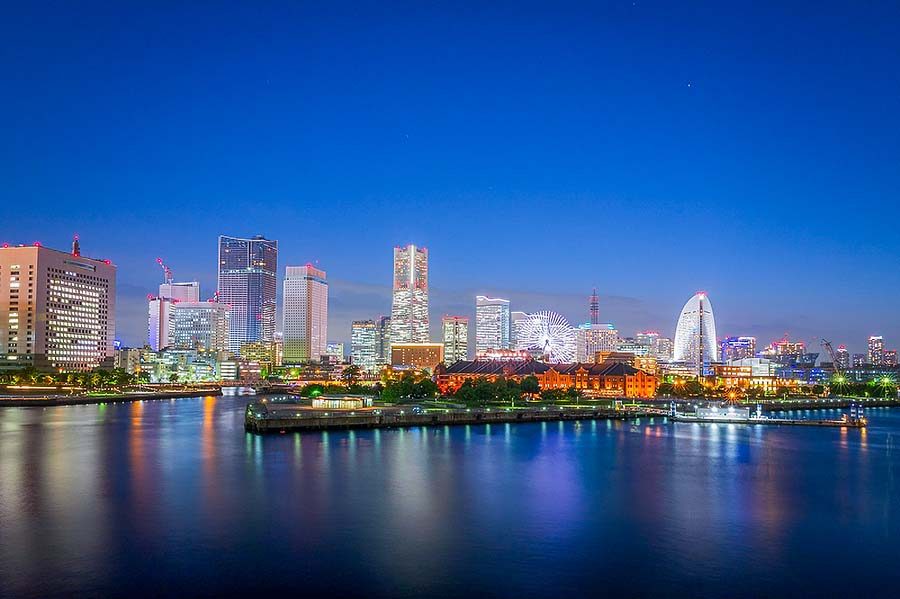
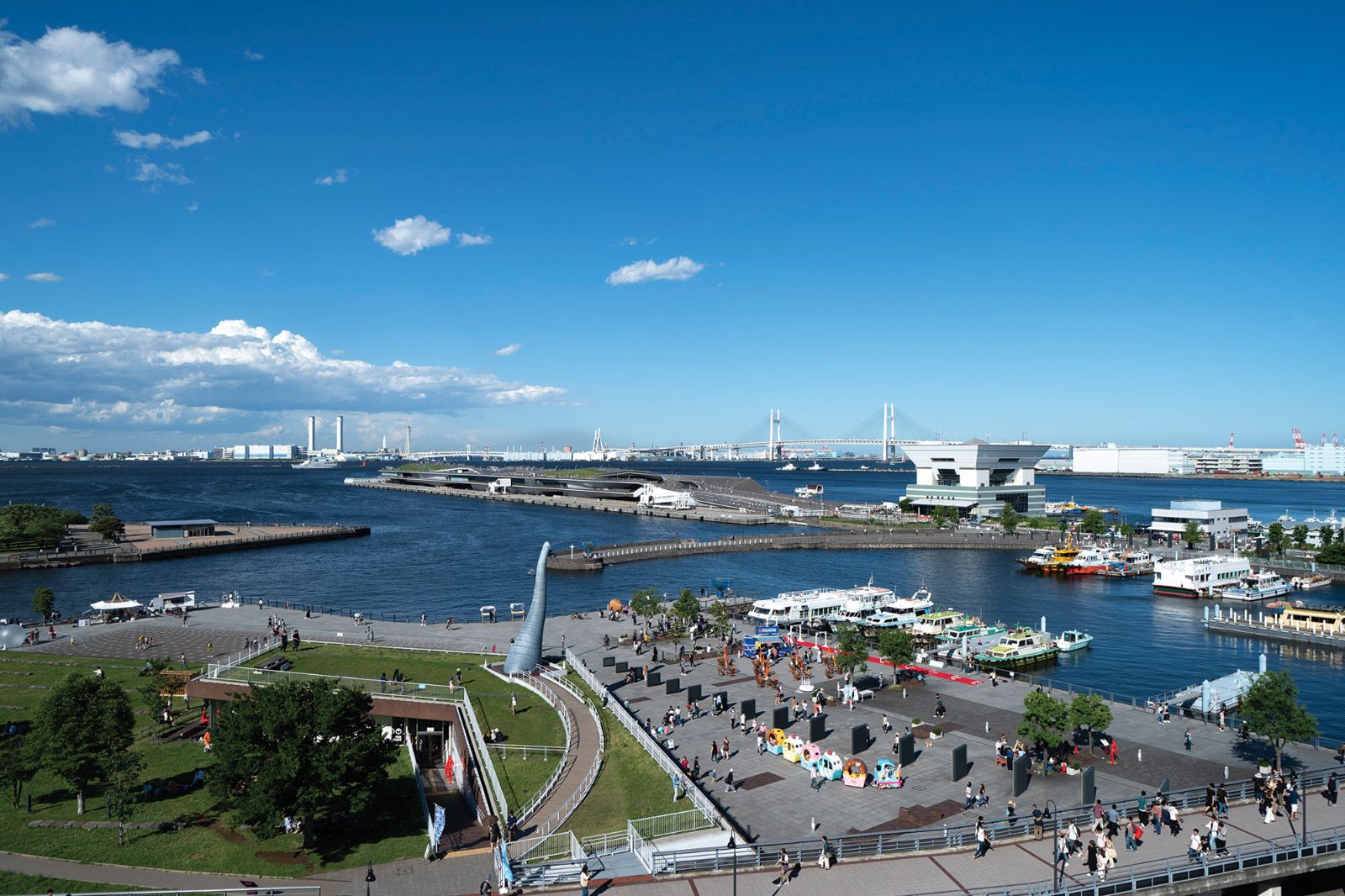
Stand at the very tip of the wooden deck for a panoramic view of the Minato Mirai skyline across the water. This location is a popular choice for those finishing a yokohama port to narita airport tour and seeking one final cityscape composition.
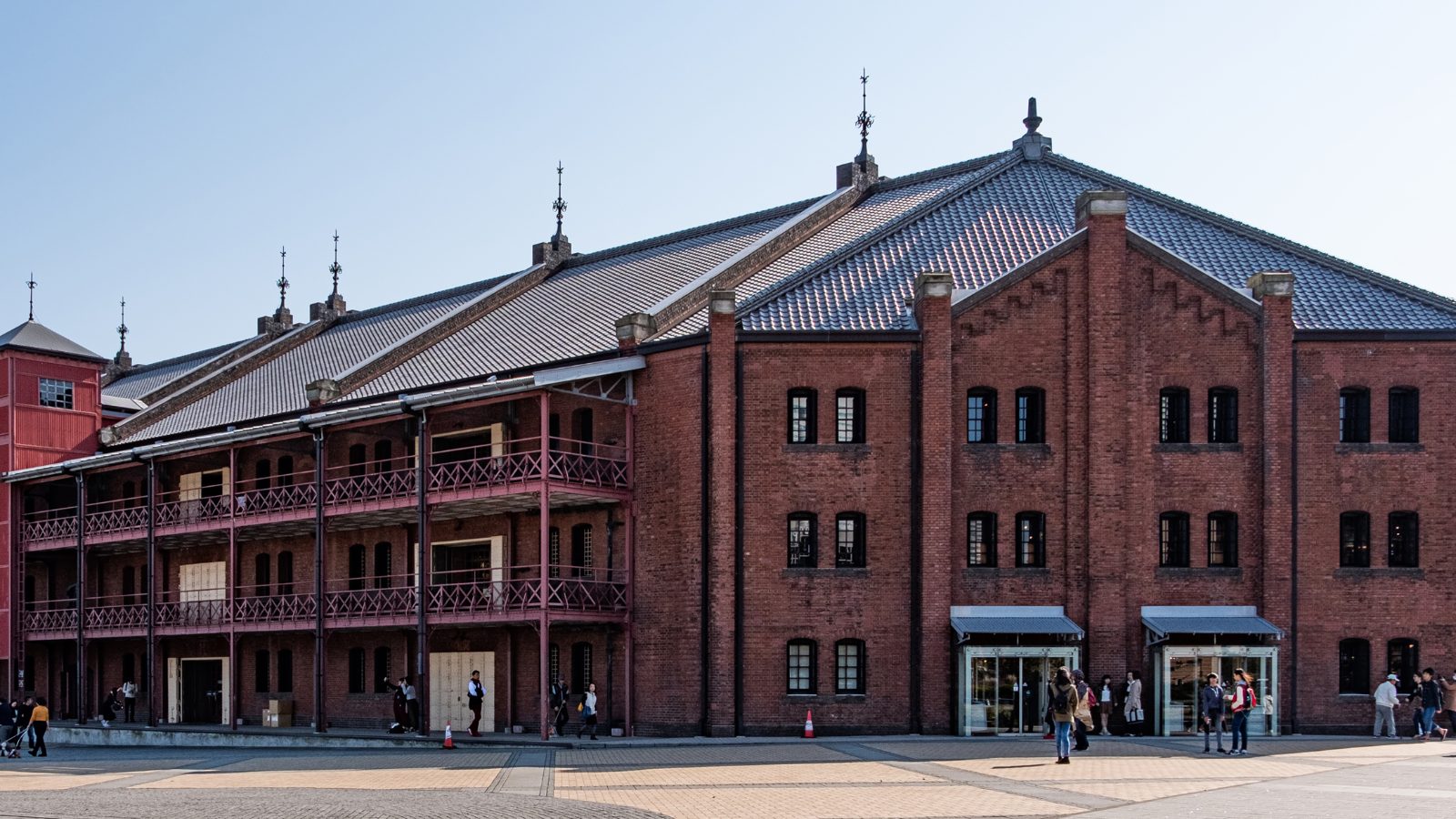
Position yourself in the open square between the two historic buildings to capture the red brick texture against the modern port cranes. This spot offers a symmetrical composition and is easily accessible for travelers utilizing yokohama port to narita airport tours.
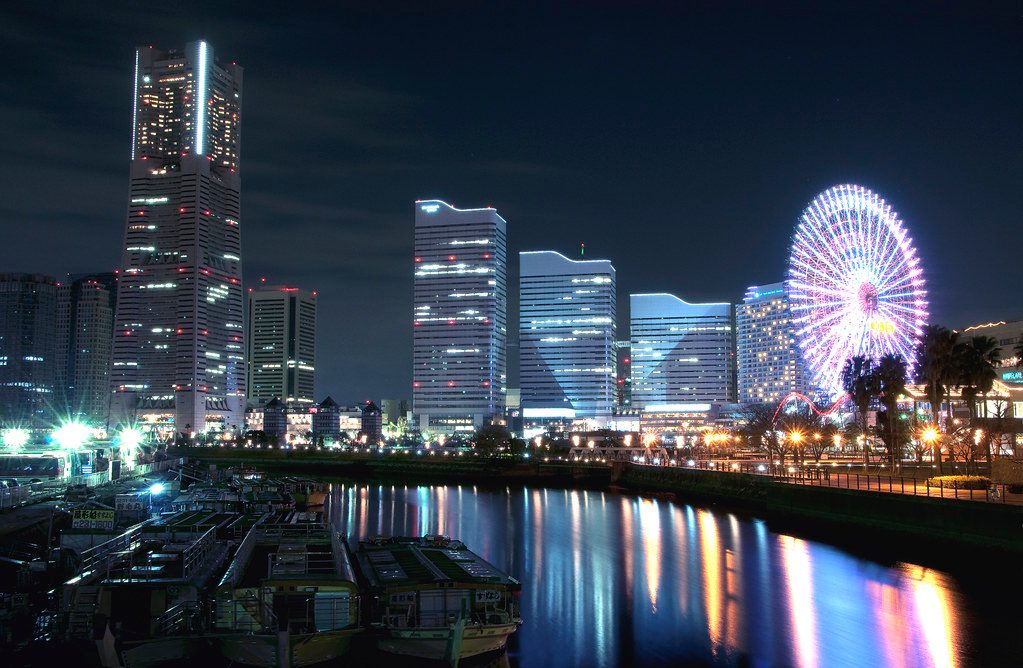
Stand on the center of this bridge to frame the Landmark Tower perfectly between the modern office buildings flanking the canal. It is a classic vantage point to secure your yokohama port to narita airport tickets home after capturing the harbor reflections.
Capture the curved breakwaters and the gentle silhouette of the port from the grass mounds near the harbor edge. The perspective provides a wide-angle look at the connection between the historic piers and the sea.
Navigating the journey from yokohama port to narita airport with children requires careful planning to manage luggage and transit connections. Understanding the available terminal facilities ensures a smoother transition for families moving between the harbor and the international departure gates.
Most transit options between these locations accommodate folding strollers, though you should verify luggage capacity on shared shuttle services. Platforms and terminals are generally accessible, but elevators can be busy during peak travel hours
Modern transport hubs feature nursing rooms, diaper-changing stations, and dedicated family restrooms to assist with long-distance travel needs. You can access the port area at any time, as the best arrival window is 00:00–23:59
Travelers seeking a stress-free transition often prefer private transport over public rail transfers when managing multiple bags and young children. Since entrance fee is 0 JPY for the port area, you have flexibility to organize your departure without formal site entry requirements
Advance planning for yokohama port to narita airport tours can simplify your logistical burden significantly. Check available yokohama port to narita airport tickets to secure seating that guarantees enough space for your family group
The port is located at Kaigan-dori, Naka Ward, Yokohama, Kanagawa 231-0002, Japan, and remains operational 24 hours daily. For specific transit questions, you may contact the port authorities at +81-45-211-1111 for information regarding regional shuttle services. Last updated 2026.
Travelers seeking a meal near yokohama port to narita airport will find an array of culinary options located within the historic Minato Mirai district and the nearby Red Brick Warehouse. Whether you are finalizing your yokohama port to narita airport tours or simply waiting for transit, these waterfront venues provide convenient harbor views and diverse Japanese cuisine.
Located in the Red Brick Warehouse, this popular spot offers brunch and international dishes perfect for a relaxed pre-transit meal. It is often busy on weekends, so arrive early if you are preparing for your yokohama port to narita airport tour.
A highly regarded conveyor belt sushi restaurant providing fresh seafood with efficient service. It is a suitable choice for those holding yokohama port to narita airport tickets who need a quick but authentic Japanese dining experience.
Housed in a classic western-style building, this venue serves traditional coffee and savory western-influenced Japanese plates. The elegant atmosphere offers a quiet retreat near the Minato Mirai landmark area before your departure.
Everything you need to know for your journey
You can use the Narita Express train or an Airport Limousine Bus for a seamless transition from Yokohama Port to Narita Airport.
Yes, several private operators provide a specific yokohama port to narita airport tour or shuttle service for convenience.
Transit time typically ranges from 90 minutes by train to 2 hours by private vehicle for a yokohama port to narita airport trip.
Tickets for public transit are available at stations, while private yokohama port to narita airport tickets should be booked in advance.
Yokohama Port facilities follow an opening window of 00:00–23:59 as transit services operate continuously.
There is 0 JPY entrance fee for the port area; transit costs vary by mode of transport.
You can take a short walk or a local bus to reach nearby stations like Nihon-odori for your yokohama port to narita airport connection.
Yes, coin-operated lockers are available at the terminals to assist with your yokohama port to narita airport transition.
Yes, a private yokohama port to narita airport tour is often the most comfortable option for families with heavy luggage.
The primary terminal is located at Kaigan-dori, Naka Ward, Yokohama, Kanagawa 231-0002, Japan.
Join thousands of happy travelers who have discovered this incredible experience
Book Your Experience Now