1 hr
Private Airport Transfer: Haneda to Tokyo City Center
- Private experience
- Personal attention
- Premium amenities
- Free cancellation
Yokohama Port to Haneda Airport — Private Transfers & Shuttle Service
Direct routes from Osanbashi Pier, confirmed in minutes.
Compare fares, pick the fit — all bookings are mobile-voucher and eligible for free cancellation where shown.
1 hr
1 hr
1 hr
| Experience | Duration | Rating | Transfers | Pickup | Small group | Free cancel. | Price | |
|---|---|---|---|---|---|---|---|---|
|
Luxury / Private
Most popular
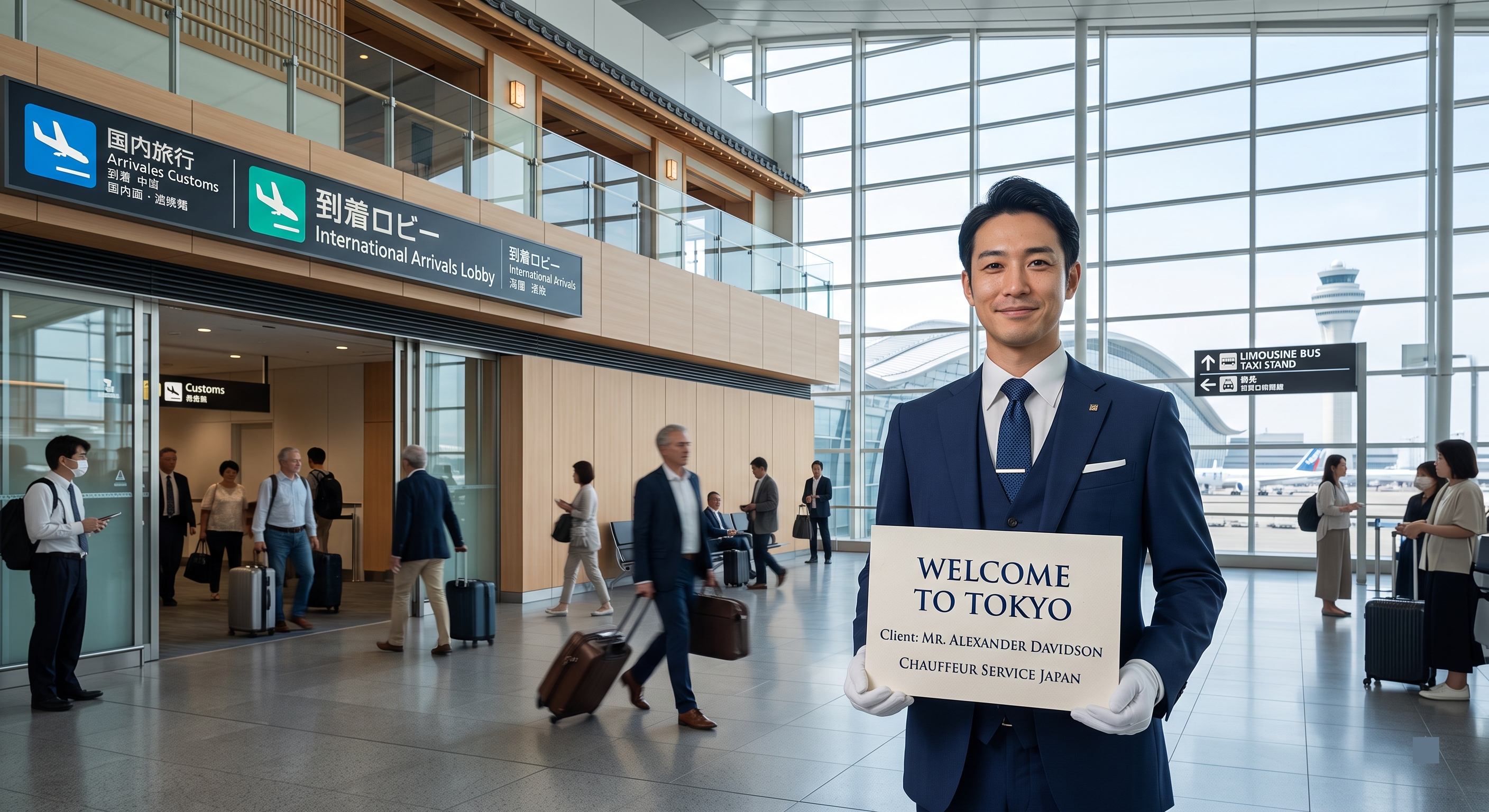
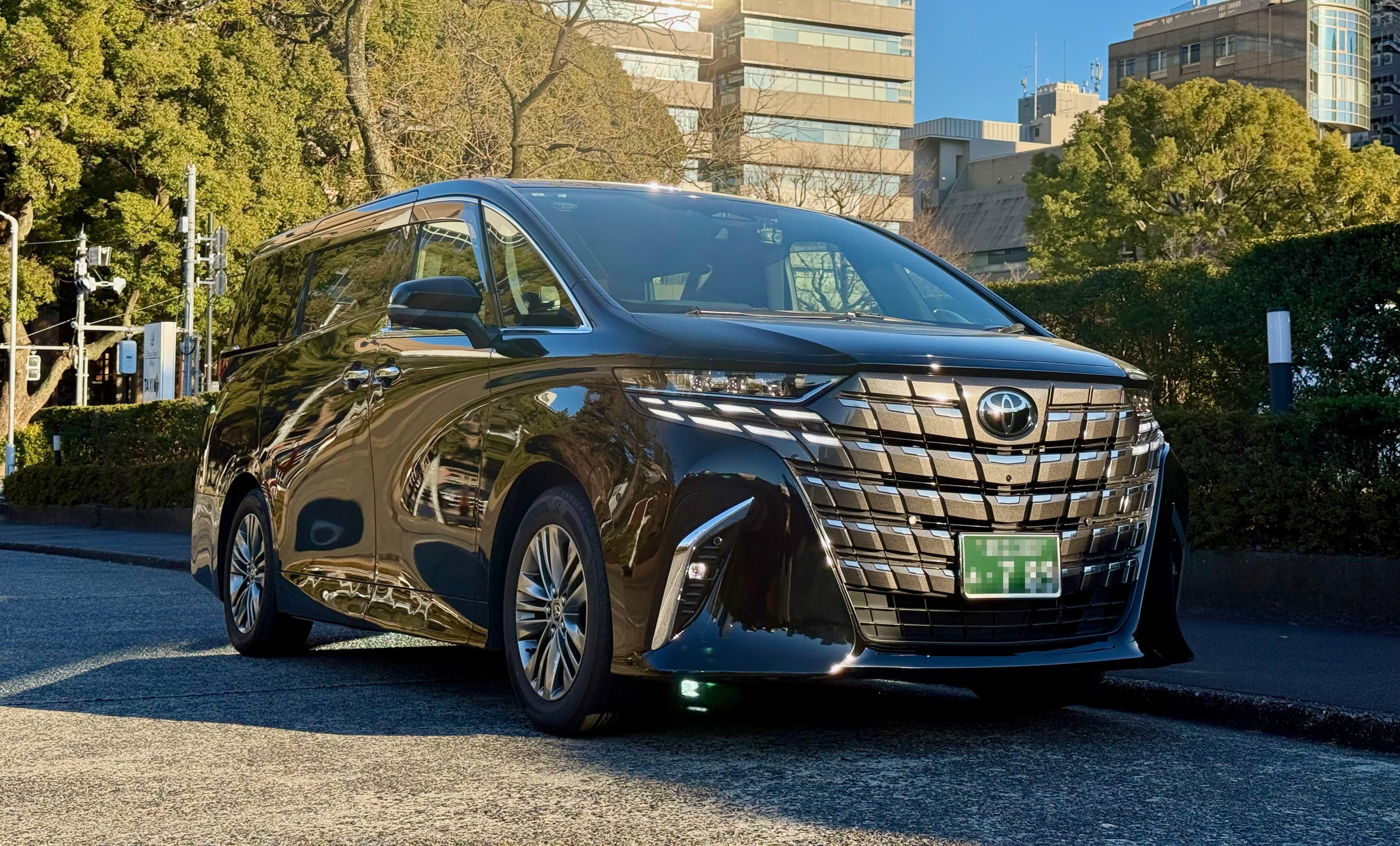
Private Airport Transfer: Haneda to Tokyo City Center
|
1 hr | ★ 4.6 | ✓ | ✓ | — | ✓ | $27 | Book → |
|
Luxury / Private
Private Haneda Airport Transfer Service
|
1 hr | ★ 4.8 | ✓ | ✓ | — | ✓ | €35 | Book → |
|
Luxury / Private
Private Haneda Airport Transfer to Tokyo City
|
1 hr | ★ 4.9 | ✓ | ✓ | ✓ | ✓ | €97 | Book → |
Worth it for stress-free airport connections
The yokohama port to haneda airport route is a practical necessity rather than a sightseeing experience, and private transfer services deliver real value when you factor in luggage, travel fatigue, and schedule certainty. Port terminal areas at Osanbashi are accessible 24/7 at no cost, but getting from there to Haneda efficiently requires coordination. Private airport transfers eliminate the hassle of navigating train connections with bags, offer door-to-door service regardless of flight times, and typically cost less than a taxi while providing more comfort. The journey takes 40–60 minutes depending on traffic, making it viable even for early departures. This option pays off for groups splitting the cost, travelers with multiple bags, or anyone prioritizing convenience over budget. Solo backpackers comfortable with trains can save money using public transport, but families and business travelers will find the time-value equation clearly favorable.
Bottom line: Private Haneda airport transfer services from Yokohama Port deliver measurable convenience that justifies the cost for most travelers beyond solo backpackers.
Most travelers prefer the transit efficiency of the Keikyu Line for speed, while those seeking waterfront views prioritize a direct taxi or limousine bus experience.
|
Top pick Yokohama Port Transit |
Keikyu Line Express | |
|---|---|---|
| Arrival Window | 00:00–23:59 | 05:00–23:59 |
| Entrance Fee | 0 JPY | 360–500 JPY |
| Travel Nature | Public Terminal Access | Regional Rail Link |
| Departure Point | Kaigandori 1-1-4 | Yokohama Station |
| Suitability | Transit and Logistics | Commuter Travel |
| Accessibility | Wheelchair Accessible | Platform Assistance Needed |
| See tickets & prices |
Verdict: Choosing the Keikyu Line offers reliable, high-frequency rail travel, whereas navigating Yokohama Port to Haneda Airport via road services remains the superior option for passengers carrying large luggage who wish to avoid yokohama port to haneda airport tours that require multiple transfers.
Hand-picked experiences loved by thousands of travelers
1 - 2.5 hours
Free Cancellation
Private transportation connecting Haneda Airport with Tokyo, Yokohama, Disney Resort, and beyond
1 hour
Free Cancellation
Door-to-door transport between Haneda and your Tokyo hotel with flight tracking and meet-and-greet
1-2 hours
Free Cancellation
Direct private car service connecting Haneda Airport and Yokohama cruise terminal with professional driver
1 - 1.5 hours
Free Cancellation
Hassle-free private transfer connecting Yokohama, Tokyo, and both major airports with flight monitoring
4 hours
Free Cancellation
Skip the taxi queues with a direct private ride between Haneda Airport and central Yokohama accommodations
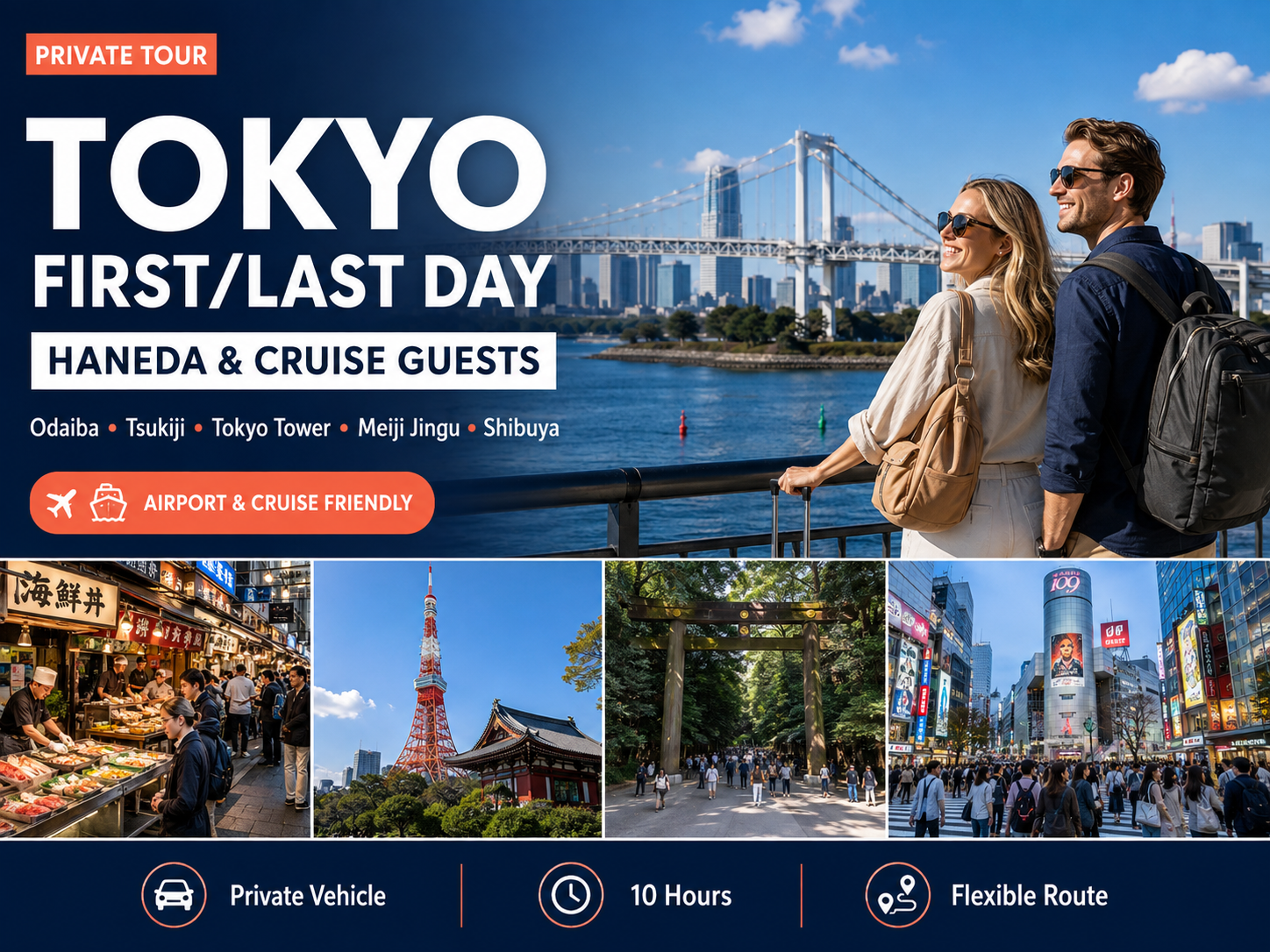
10 hours
Free Cancellation
Maximize your arrival or departure day with a comprehensive 10-hour private Tokyo experience
1 hour
Free Cancellation
Premium airport pickup with personal meet-and-greet service and luxury vehicle transport to central Tokyo
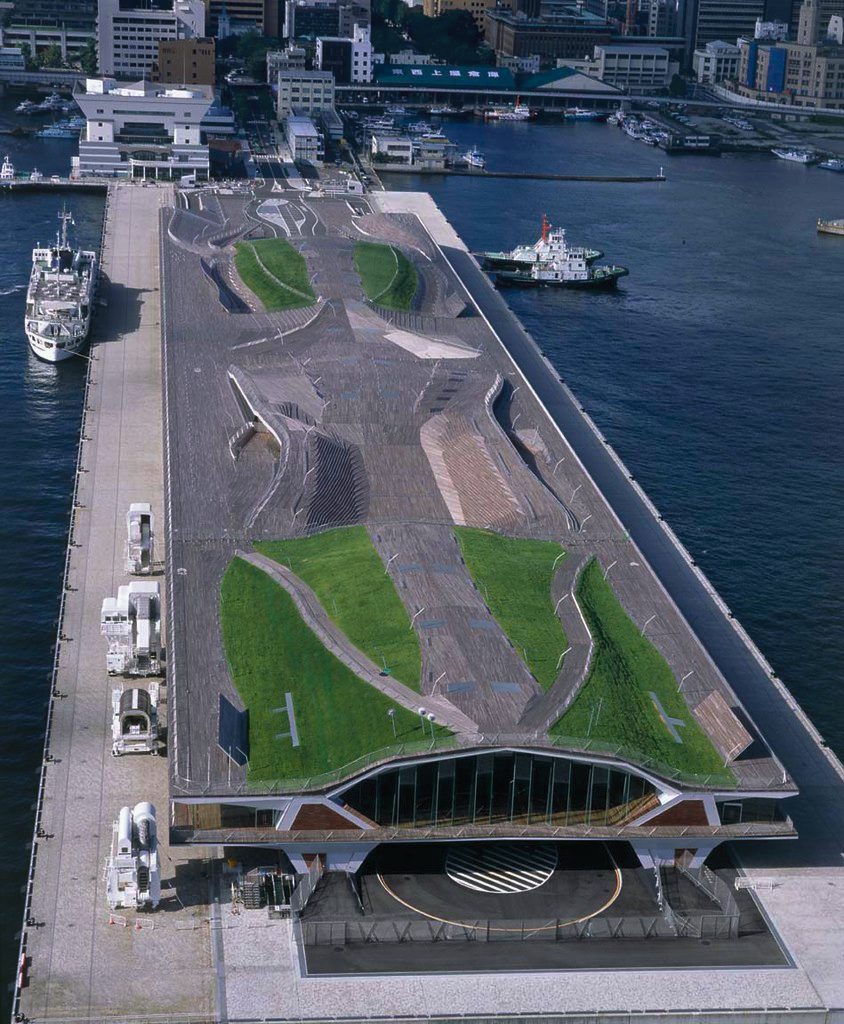
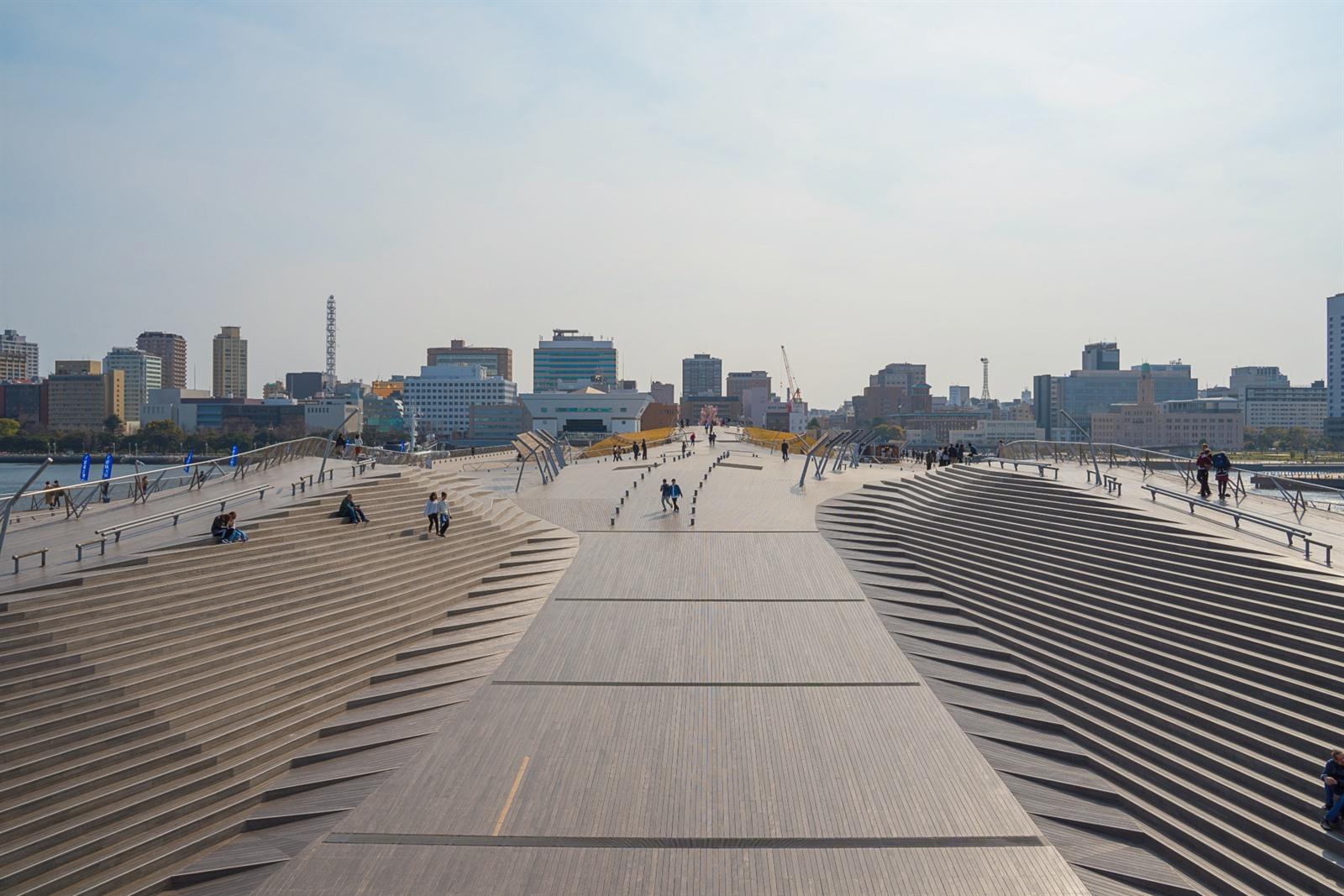
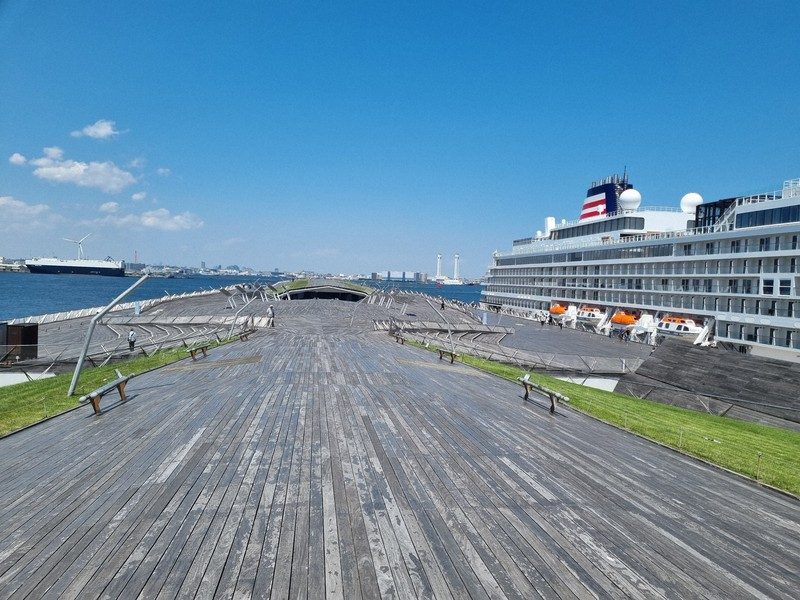
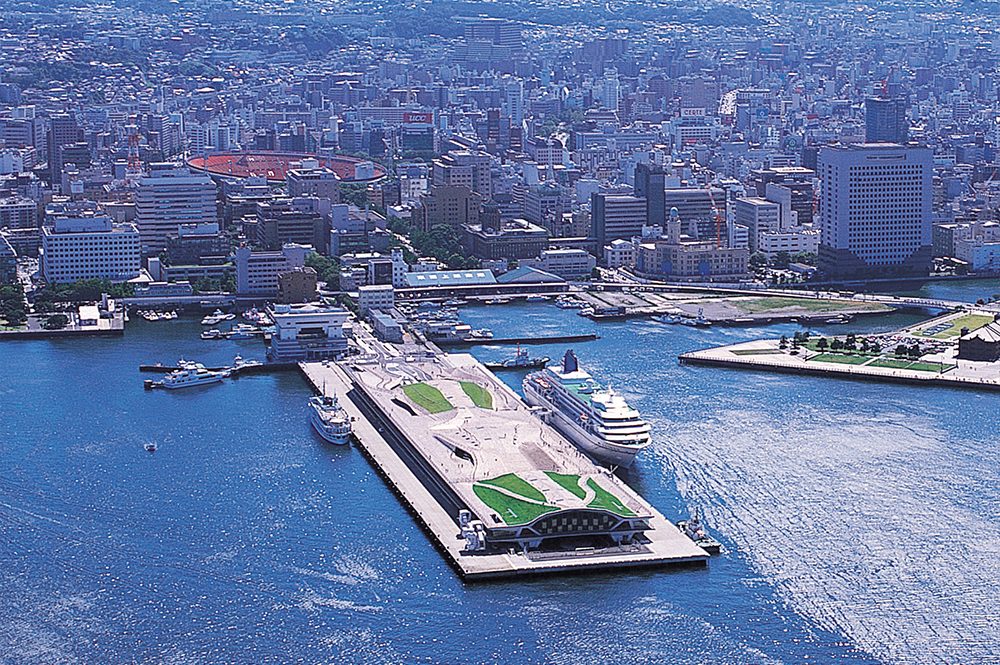
A wooden roof deck designed to resemble a ship deck with panoramic sea views. It offers 360-degree vistas of the city skyline and harbor activities.
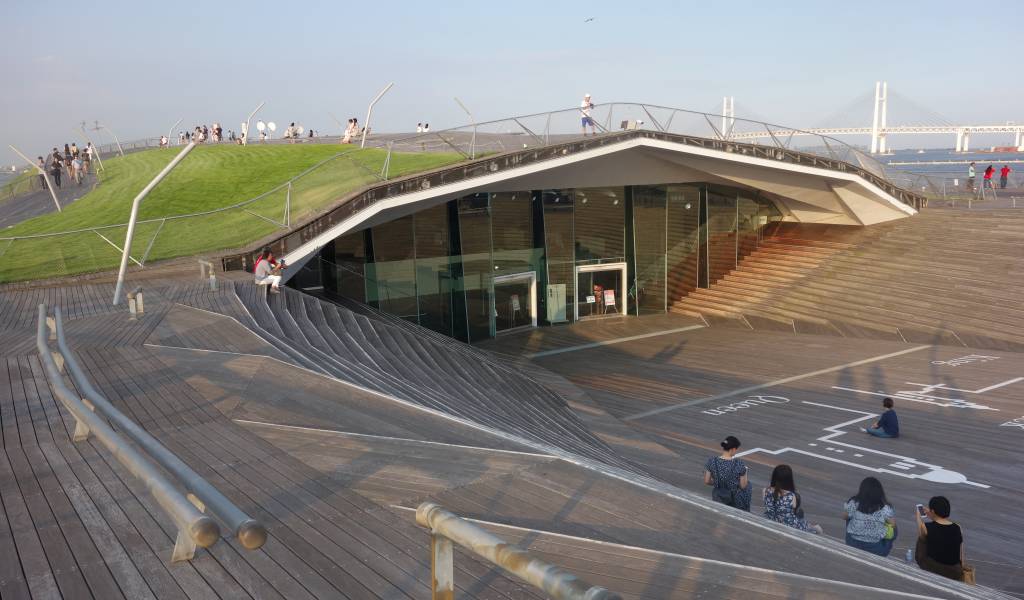
An award-winning architectural structure featuring open-plan interiors and glass walls. The building serves as the main hub for regional transit and passenger arrivals.
A designated area on the roof offering clear sightlines towards the industrial port zones. Visitors can often spot large vessels docked at the pier.
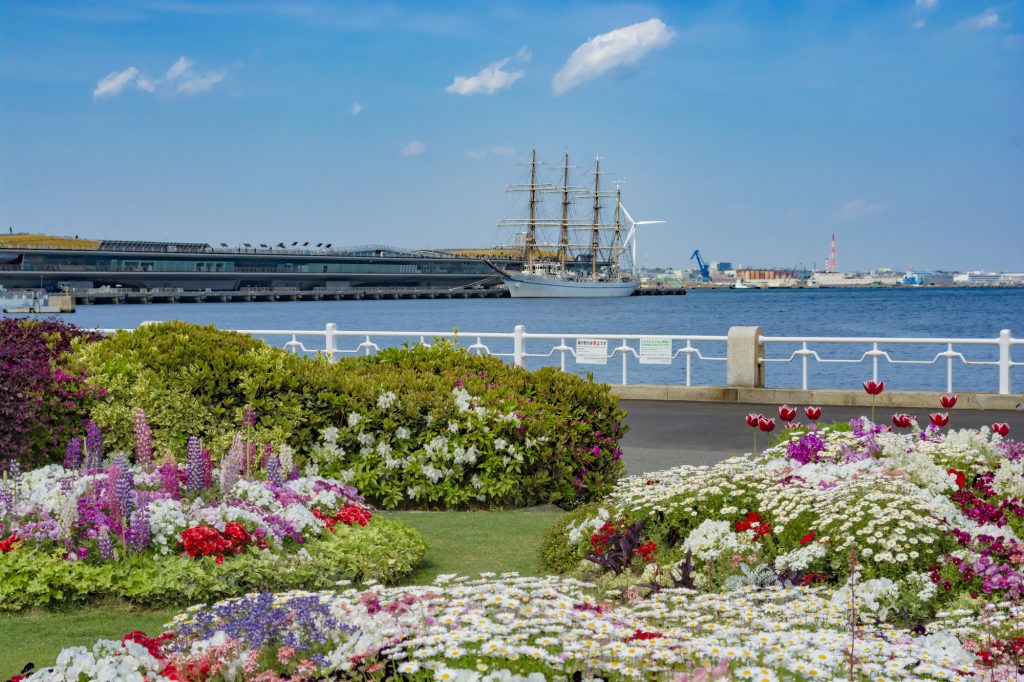
A landscaped garden space integrated into the roof structure of the terminal. This tranquil spot is ideal for a short break before your yokohama port to haneda airport transit.
You step out of Osanbashi's glass-walled terminal onto the departure plaza, where your driver waits with a name placard near the taxi rank.
The vehicle pulls away from the wave-shaped terminal building, descending the elevated access road past Yamashita Park's waterfront promenade, where morning joggers trace the seawall and freighters idle in the outer harbor. Within three minutes you merge onto the Bayshore Route, the expressway cutting through Kawasaki's petrochemical sprawl—silver storage tanks and flare stacks replacing Yokohama's high-rises in your window.
The Tama River bridge marks the boundary into Tokyo's jurisdiction, the water below a brown churn of tidal current meeting industrial outflow. Haneda's control tower appears on the reclaimed island ahead, white and geometric against the bay's haze. Your driver follows the Terminal 3 ramp, bypassing the domestic wings, and pulls into the international departures lane. The journey from Osanbashi's berth to Haneda's curbside check-in counter has taken thirty-eight minutes, the city's industrial perimeter compressed into a single unbroken corridor of asphalt, concrete pylons, and shipping infrastructure that never fully leaves sight of Tokyo Bay's slate-gray water.
All the details about your upcoming adventure in one place
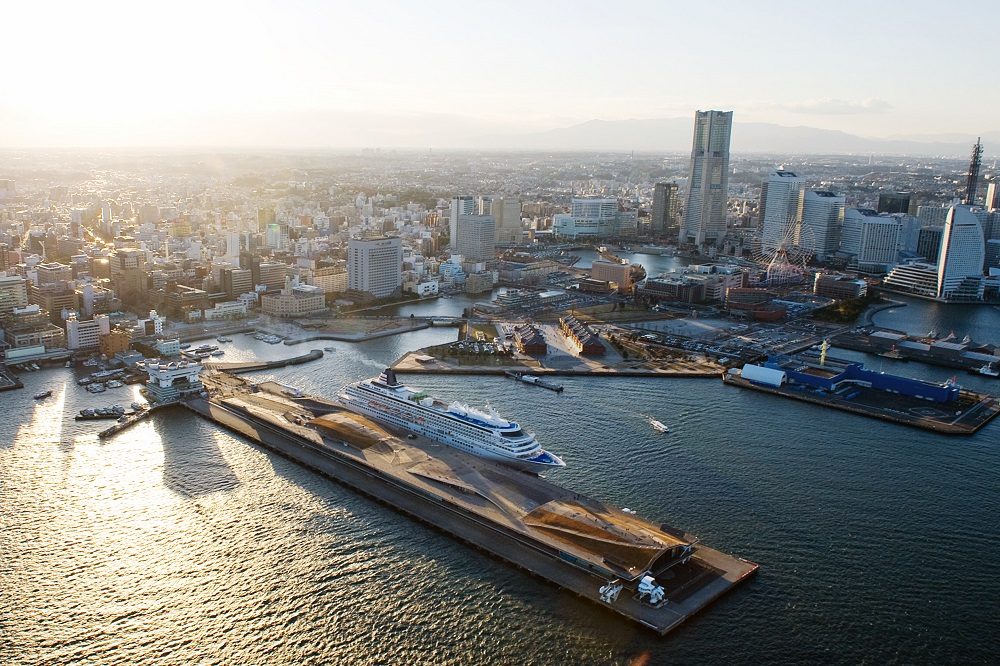
Yokohama Port's Osanbashi International Passenger Terminal sits 18 kilometers southwest of Haneda Airport, separated by the industrial spine of Tokyo Bay's western shore and the Tama River estuary.
The port opened in 1894 as Japan's first modern deep-water berth, handling silk and tea exports until containerization shifted freight to Honmoku in the 1960s. Today Osanbashi serves cruise liners and ferry connections, its wave-shaped roof designed by Foreign Office Architects in 2002 to double as a public deck overlooking Minato Mirai's skyline. The terminal operates around the clock during port calls, though passenger facilities scale back between midnight and five in the morning when no vessels are berthed.
The yokohama port to haneda airport route crosses three municipal boundaries and navigates the Bayshore Route expressway, a toll road that hugs the reclaimed industrial waterfront through Kawasaki's refinery belt. Traffic conditions swing sharply: cruise disembarkation mornings between eight and ten can add twenty minutes to the baseline thirty-five-minute run, while late-evening departures after twenty-two hundred hours often complete the journey in under thirty minutes. Haneda's three terminals—Terminal 1 for JAL domestic, Terminal 2 for ANA domestic, Terminal 3 for international—sit on a man-made island connected to the mainland by the Tokyo Wan Aqua-Line tunnel system, completed in 1997. Drivers approaching from Yokohama typically use the Daikoku Junction to merge onto the Wangan expressway, then follow signs for the airport access bridge.
Private transfer services dominate the yokohama port to haneda airport corridor because rail connections require two transfers and thirty additional minutes compared to direct road transit. The nearest train station to Osanbashi is Bashamichi on the Minatomirai Line, eleven minutes on foot from the cruise terminal's main entrance. From there, travelers would ride to Yokohama Station, transfer to the Keikyu Main Line for Keikyu-Kamata, then board the airport shuttle—a sequence that totals seventy to eighty minutes including wait times and platform changes. Taxis queue at the terminal's ground-floor taxi stand, though availability dips sharply when multiple cruise ships berth simultaneously, a common occurrence during cherry blossom season in late March and autumn foliage weeks in November. Osanbashi's address, 1-1-4 Kaigandori in Naka Ward, places it within Yokohama's central business district, adjacent to Yamashita Park and the historic Kannai government quarter, districts that share the port's role as gateways between maritime arrival and metropolitan departure.

The port opened in 1894 as Japan's first modern deep-water berth, handling silk and tea exports until containerization shifted freight to Honmoku.
Casual attire is appropriate for all visitors at the terminal. Ensure footwear is comfortable for walking across the wooden deck surfaces of the Yokohama Port pier.
Security personnel monitor public spaces for safety. Please keep your belongings with you at all times when transitioning through the yokohama port to haneda airport transit zones.
Photography is permitted in public areas of the Yokohama Port terminal. Please respect the privacy of other travelers during your yokohama port to haneda airport transfer.
Families are welcome at the terminal, which features open spaces and stroller-friendly walkways. The area is safe for children awaiting their yokohama port to haneda airport connection.
The facility is fully barrier-free with ramps and elevators providing access to all main deck levels. This ensures a smooth experience for those completing a yokohama port to haneda airport trip.
Visitors may consume personal food and drinks in designated public seating areas. Various dining options are located inside the terminal building for those using a yokohama port to haneda airport tour service.
Opening hours
00:00–23:59
Address
1-1-4 Kaigandori, Naka-ku, Yokohama-shi, Kanagawa 231-0002, Japan
Facility status
Open to public
Arrival window
00:00–23:59
Terminal storage
Available on-site
Navigation
Osanbashi Pier transit area
Public transport · 30 min · 500 JPY
Take the Minatomirai Line to Nihon-odori Station followed by a 7-minute walk.
Taxi · 45 min · 10000 JPY
Direct taxi service from the terminal to the airport is available.
Public terminal areas at Yokohama Port have free entry (0 JPY) and do not require cancellation. Specific transit bookings or guided yokohama port to haneda airport tours must follow the provider's stated terms.
Recommended time
1-2 hours
Planning your trip from yokohama port to haneda airport requires accounting for transit variables, as the terminal area remains accessible 24/7. Travelers should allocate extra time for luggage handling and check-in procedures, whether utilizing private shuttle services or public transit. Those considering yokohama port to haneda airport tours will find that midday periods see increased passenger movement, while early morning arrivals allow for a quieter departure experience. Since there are no yokohama port to haneda airport tickets required for general terminal access, visitors can focus on seamless maritime-to-air connections.
Crowd levels through the day
Weather · crowds · average price — dots go green to amber to red as each metric rises.
March to May brings mild temperatures perfect for outdoor walking. Cherry blossoms in the surrounding areas add beauty to your yokohama port to haneda airport visit.
June to August is warm and humid with frequent evening events. It is a popular time for local harbor cruises and sightseeing.
September to November offers crisp, clear air for harbor views. This is an ideal season for comfortable travel between the city and airport.
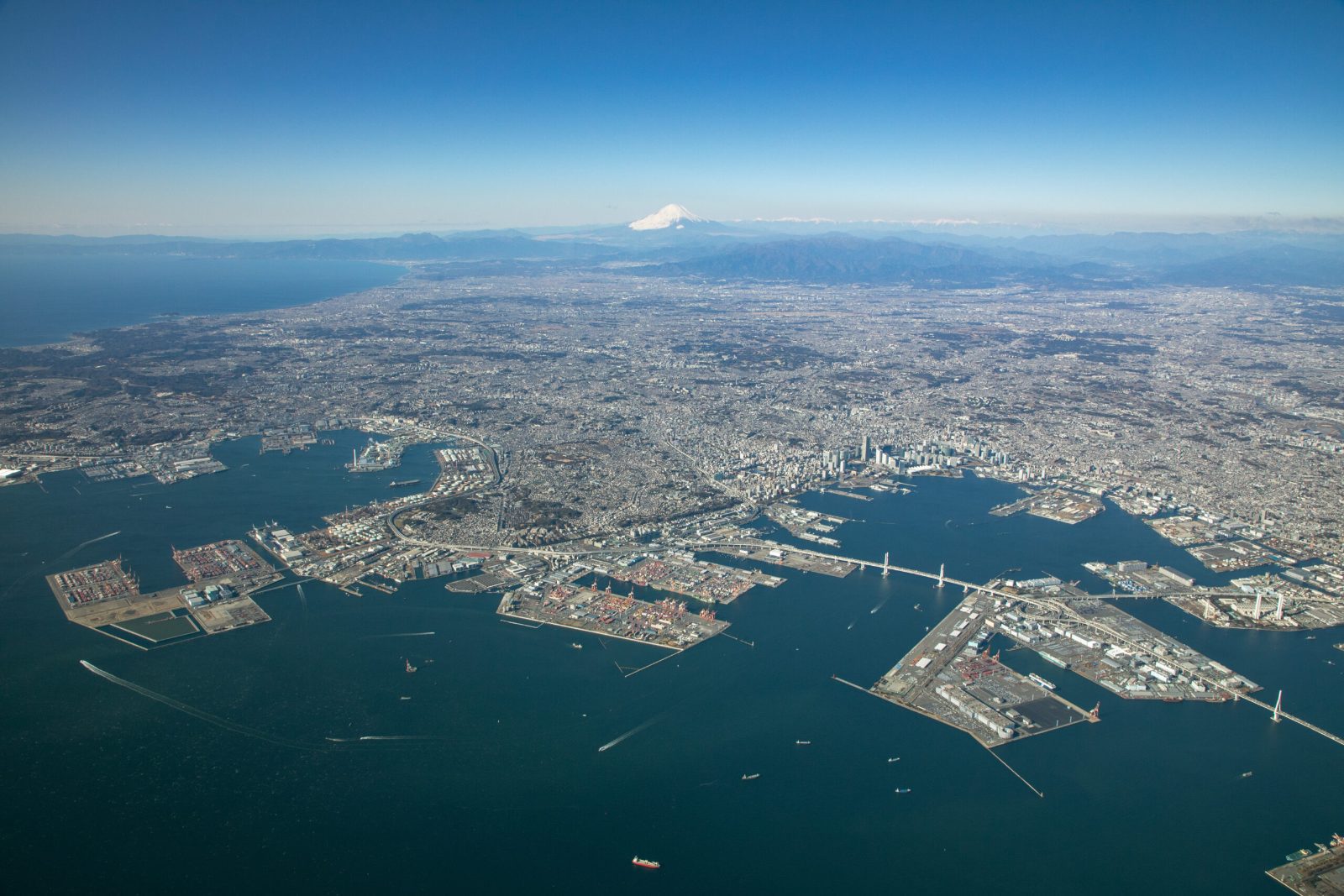
December to February provides clear visibility of Mount Fuji from the pier. The weather is cool, making it a quiet time for harbor transit.
Use real-time transit applications to monitor traffic for your yokohama port to haneda airport commute. This helps avoid unexpected delays.
The roof deck provides the best views of the port and requires no extra tickets. It is accessible 24/7 for travelers.
Public Wi-Fi is available in the terminal for checking arrival times. This is useful when verifying your yokohama port to haneda airport tickets.
Yokohama Port opened to international trade in 1859 under the Treaty of Amity and Commerce, transforming a modest fishing village into Japan's gateway to the West. The original pier, built on reclaimed land near present-day Kannai, handled silk exports and coal imports, fueling the Meiji government's industrialization ambitions. By 1889, the port had grown into the nation's largest customs hub, processing over forty percent of Japan's foreign cargo. The Great Kanto Earthquake of 1923 destroyed much of the waterfront infrastructure, killing thousands and reducing warehouses and wharves to rubble. Reconstruction took six years, introducing reinforced concrete terminals and deeper berths capable of accommodating larger steamships. The Osanbashi Pier, completed in 1894 as the International Passenger Terminal, became the emotional center of Yokohama port to Haneda airport transit routes after World War II. American occupation forces requisitioned the terminal in 1945, renaming it the South Pier and restricting civilian access until 1952. When sovereignty returned, the terminal resumed passenger service, handling emigrants bound for Brazil and returnees from Pacific territories. The 1960s saw competition from Tokyo's expanding airports, prompting Yokohama to pivot toward cruise tourism. The current Osanbashi Yokohama International Passenger Terminal opened in 2002, designed by Alejandro Zaera-Polo and Farshid Moussavi with a continuous wooden deck and no interior columns. Modern yokohama port to haneda airport tours trace this maritime legacy through preserved customs houses and the Akarenga brick warehouses, built in 1911 and converted to commercial use in 2002. The Red Brick Warehouse Number Two retains original iron trusses and timber floors, while Number One houses rotating exhibitions on silk trade and emigration. The port handles cruise ships and container traffic alongside its historical role, with ferries connecting to Haneda's international terminal via Tokyo Bay routes established in the 1990s. Yokohama Port tickets now include heritage walking paths and rooftop observation decks overlooking the busiest shipping lanes in Asia.
Yokohama Port opens to foreign trade under the Treaty of Amity and Commerce, establishing Japan's first modern customs facility.
Osanbashi International Passenger Terminal completed, serving as the primary gateway for silk exports and immigrant departures.
Great Kanto Earthquake destroys waterfront infrastructure; reconstruction introduces reinforced concrete terminals and deepwater berths.
U.S. occupation forces control the terminal; civilian passenger service resumes after the San Francisco Peace Treaty.
New Osanbashi terminal designed by Foreign Office Architects opens with innovative wooden deck and column-free interior spaces.
Heritage tourism expands with restored Akarenga warehouses and ferry links to Haneda Airport across Tokyo Bay.
Stand on the wooden promenade for panoramic shots of the Minato Mirai skyline and cruise ship berths. This elevated platform offers clear lines of sight across the harbor and is a primary spot for those planning their yokohama port to haneda airport transition.
Located at the ground level near the terminal entrance, this area features historic cobblestones and views of the red brick warehouse district. It provides a unique perspective of the port infrastructure for local Yokohama landmarks photography.
Position yourself along the indoor transparent corridors to capture the interplay of light and maritime steel. These sheltered spots are popular for travelers using yokohama port to haneda airport tours to document their transit through the facility.
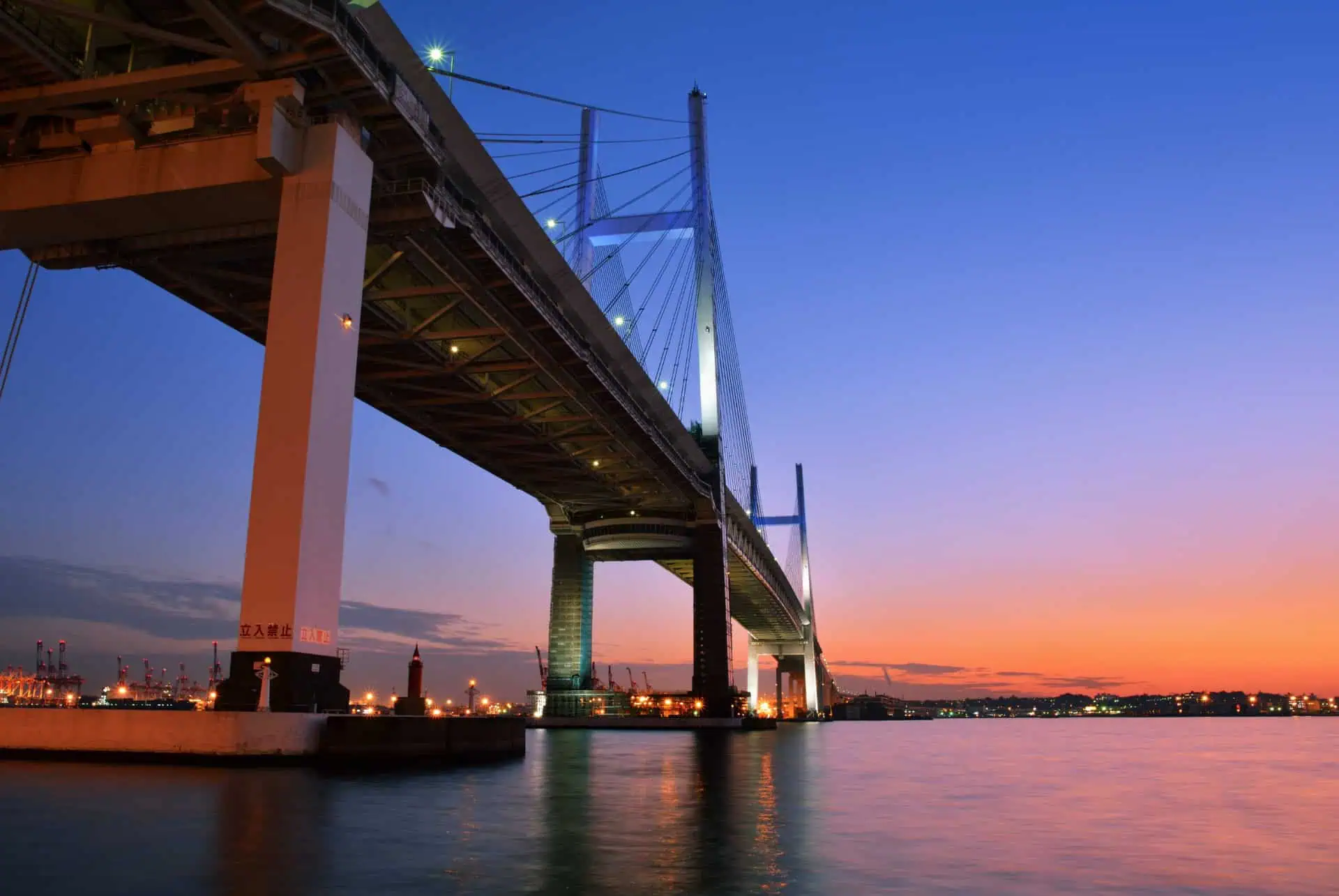
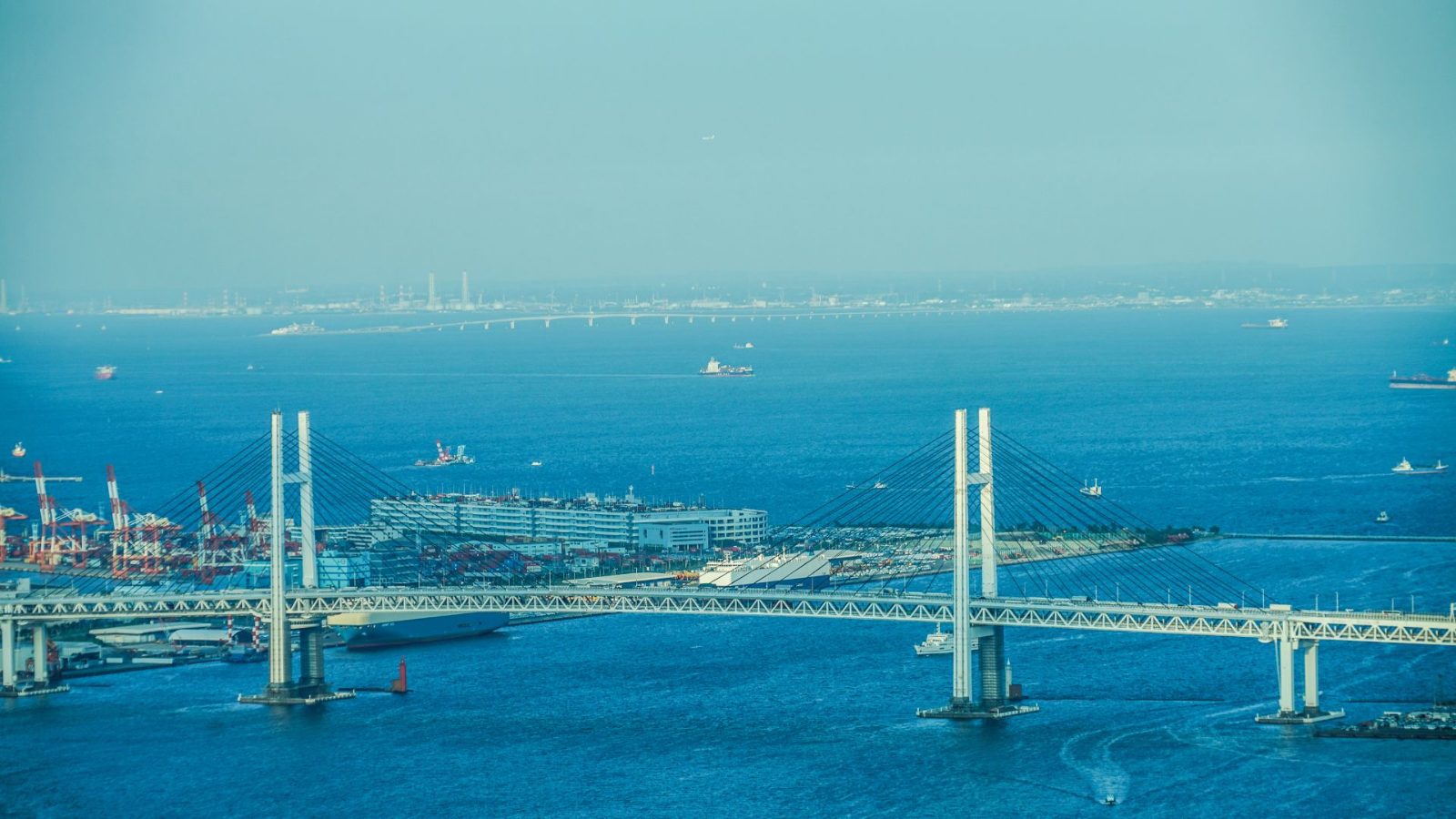
Look toward the harbor entrance to frame the iconic bay bridge in the background of incoming vessels. This location is frequently visited by those seeking skip-the-line Yokohama port attraction access for efficient photography.
Navigating from the yokohama port to haneda airport is highly manageable for families due to the terminal's excellent accessibility features and seamless public transit connections. With smooth promenades and dedicated baby facilities, the area allows for a stress-free transition before your flight.
The terminal is fully barrier-free, featuring ramps and elevators for smooth movement between floors; local city buses also permit passengers to board with uncollapsed strollers in designated securement areas.
You can find well-maintained nursing rooms equipped with changing beds and sinks on the 2F, and the terminal provides accessible, multi-functional restrooms with diaper changing stations throughout the facility.
For a seamless yokohama port to haneda airport tour, you can take the Keikyu Line from nearby Nihon-Odori Station or utilize the Airport Limousine Bus for a direct, luggage-friendly route.
Port facilities are open 24/7, allowing you to easily adjust your schedule; if you need specific options like skip-the-line yokohama port to haneda airport tickets or private transfers, confirm these in advance to ensure a smooth departure.
Families can enjoy the open rooftop green spaces while waiting for transport, making the journey feel more like an extension of your Yokohama landmarks visit.
Travelers seeking a meal near the yokohama port to haneda airport route will find limited but convenient options directly at Osanbashi Pier. While the terminal itself offers scenic spots for those preparing for their Yokohama landmarks transit, additional culinary variety is located just a short walk away toward the Minato Mirai area.
Located directly within the terminal, this spot offers light refreshments and coffee with views of the waterfront. It serves as a practical choice for those utilizing yokohama port to haneda airport tours who need a quick stop before departure.;Bashamichi Jyuuban-kan
Everything you need to know for your journey
The terminal is open daily from 00:00–23:59.
Entry to the public port terminal areas is 0 JPY.
Luggage storage options are available within the terminal to facilitate your yokohama port to haneda airport transfer.
Yes, the facility is fully barrier-free to support all travelers during a yokohama port to haneda airport journey.
Public transport via the Minatomirai Line or a direct taxi are the most reliable methods for your yokohama port to haneda airport transit.
Please check the live inventory for bookable yokohama port to haneda airport tickets to ensure availability.
Photography is allowed in public zones, but drones are strictly prohibited at the Yokohama Port terminal.
Yes, there are several dining options inside the terminal building for those on a yokohama port to haneda airport tour.
You can easily combine your transit with a walk through Yamashita Park or the Red Brick Warehouse located nearby.
A waterfront park featuring historic ships and green space. It is a relaxing area to visit before your yokohama port to haneda airport tour.
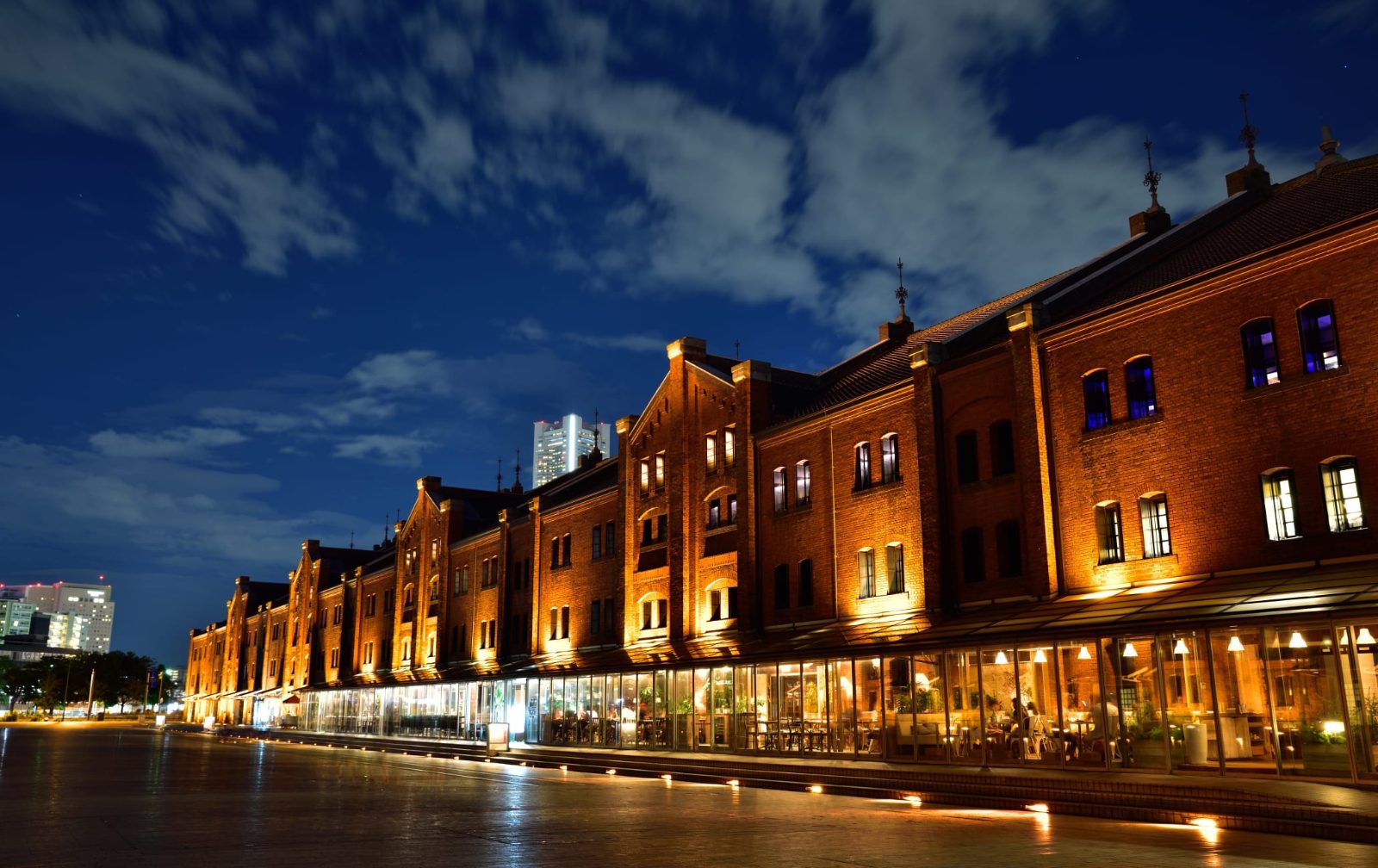
Historic shipping buildings now hosting shops and cafes. They reflect the industrial heritage of the port area.
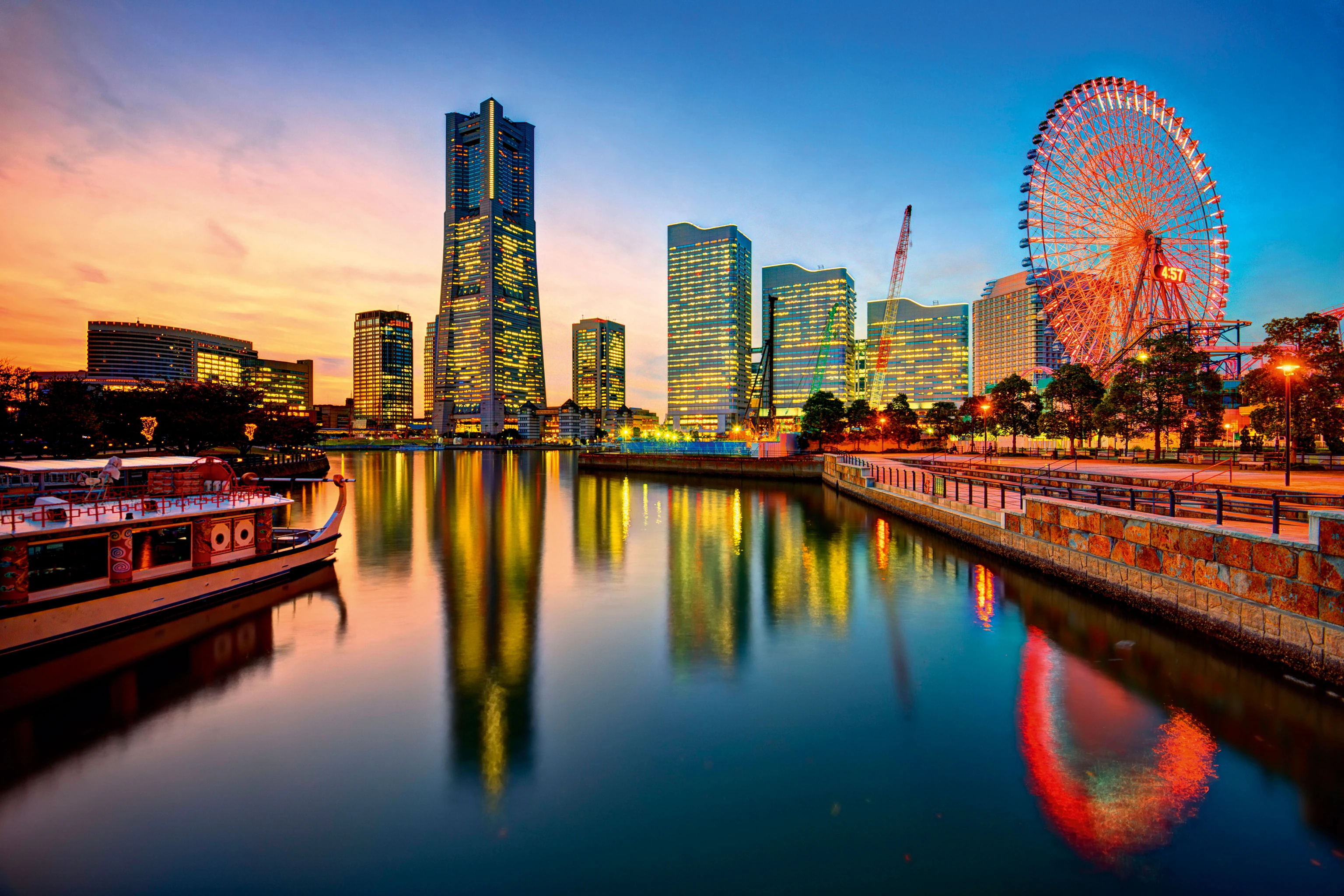
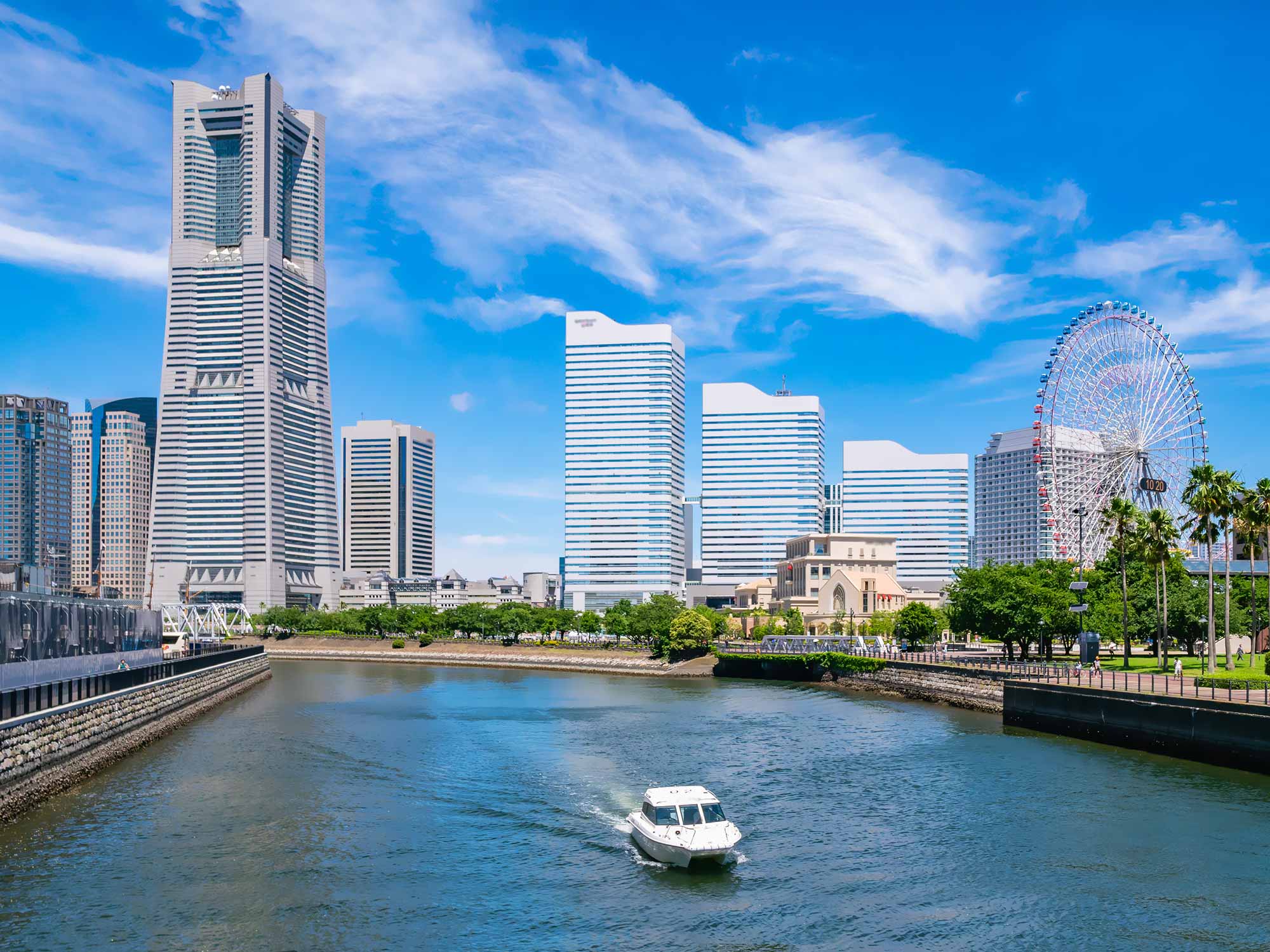
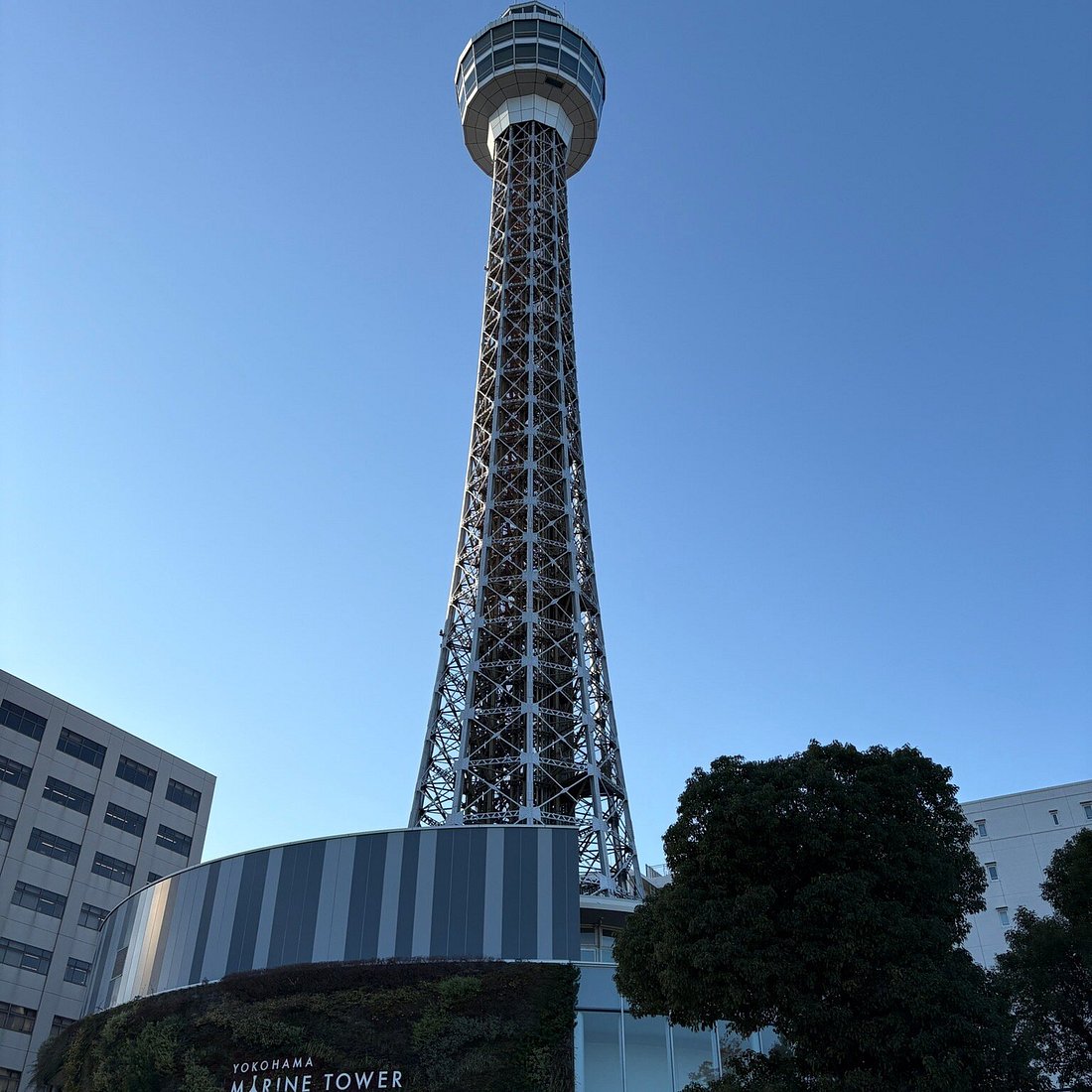
An observation tower offering 360-degree views of the city. It is visible from the port area.
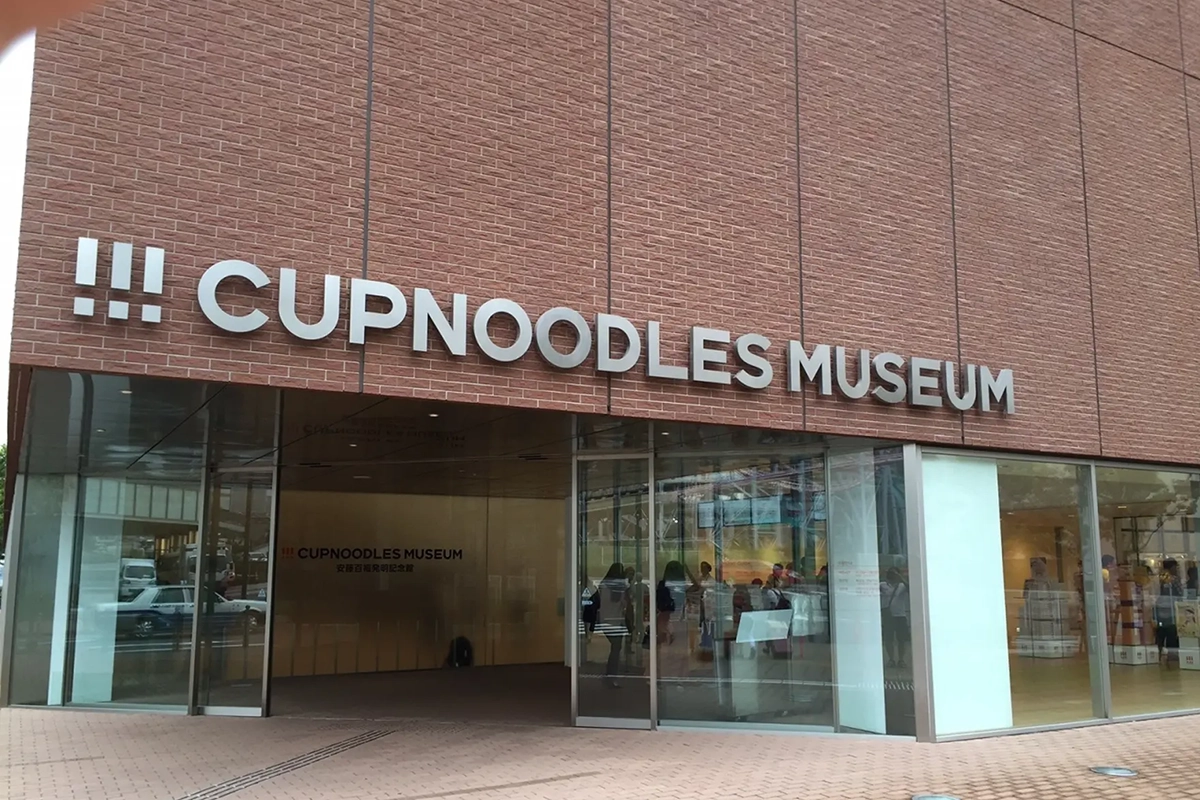
An interactive museum dedicated to instant ramen history. Families often visit here before their yokohama port to haneda airport journey.
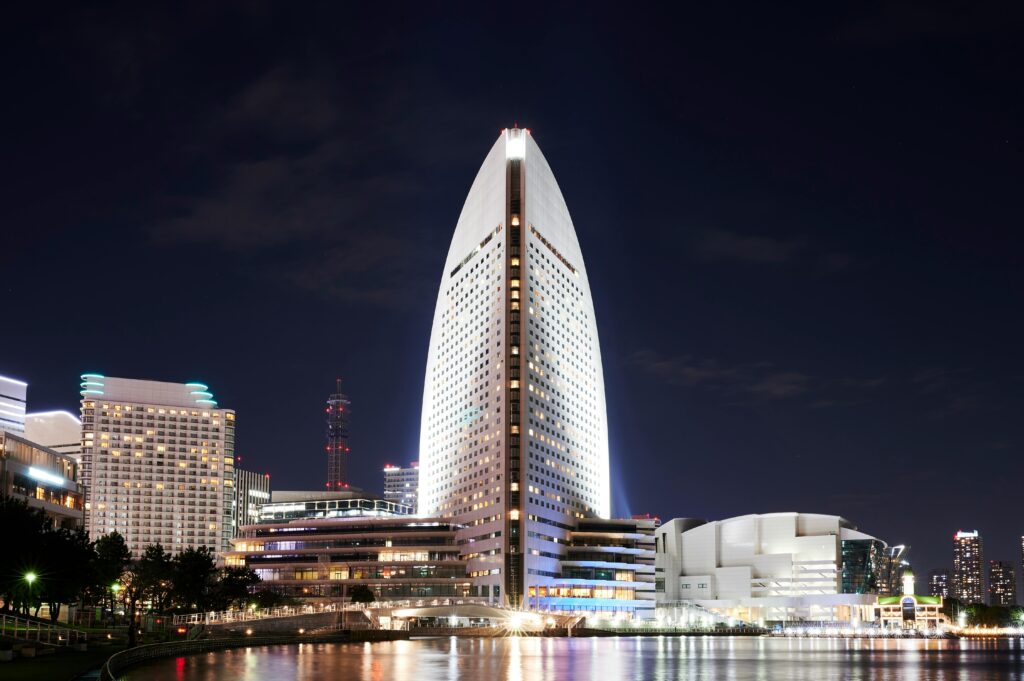
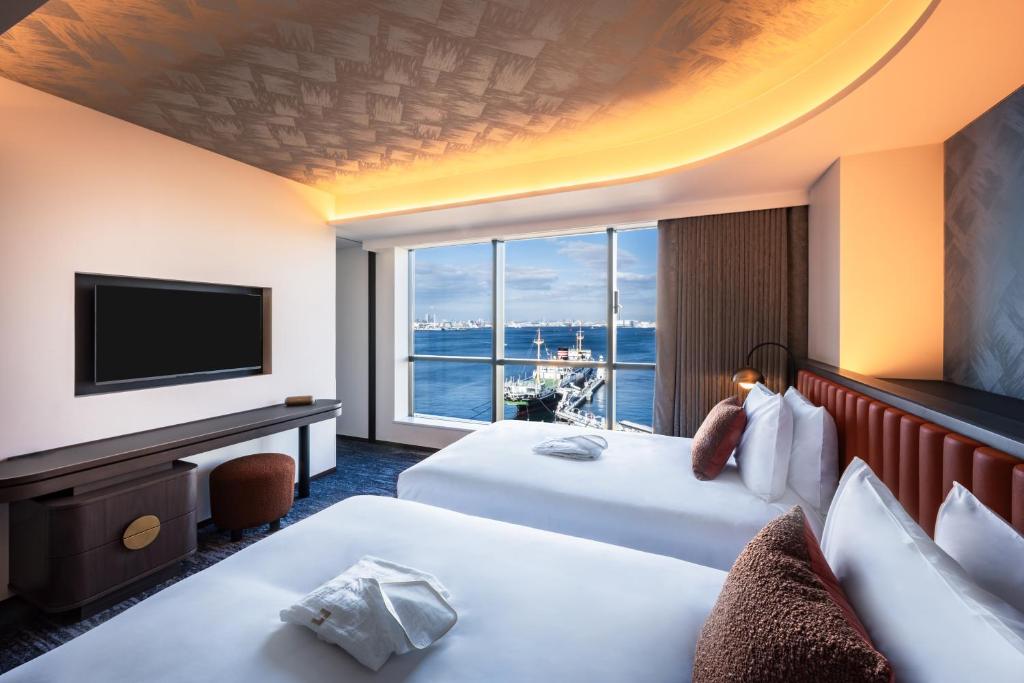
High-end hotel located near the water with excellent city views.
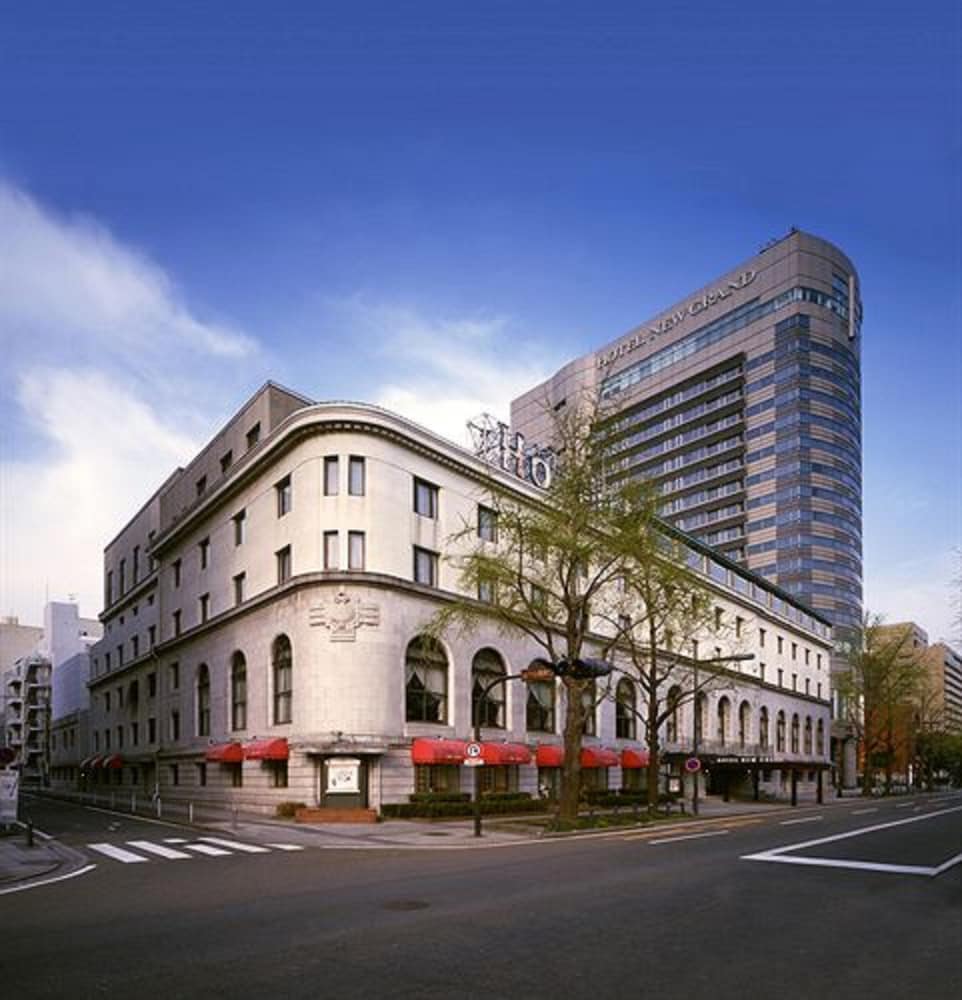
A historic hotel with classic architecture and port proximity.
Various hotels and business inns are located within this walkable district.
Join thousands of happy travelers who have discovered this incredible experience
Book Your Experience Now