Open today · 00:00 – 23:59

Yokohama Port to Tokyo

Yokohama Port to Tokyo — Train, Bus & Private Transfers

Seamless connections from cruise terminals to Shibuya, Shinjuku and beyond, departures every six minutes

50K+ travelers chose this
Free Cancellation
Right now: Light — weekday morning Terminal grounds remain accessible 24 hours daily.
Free Cancellation
Instant confirmation Mobile voucher Free cancellation Verified partner Book now, pay later
1859
Opened
Year port began operations
2002
Terminal built
Osanbashi current terminal completed
3M+
Annual visitors
Annual foot traffic at terminal
32 km
Distance to Tokyo
Approximately from the port center
Choose your ticket

Yokohama Port to Tokyo tickets at a glance

Compare fares, pick the fit — all bookings are mobile-voucher and eligible for free cancellation where shown.

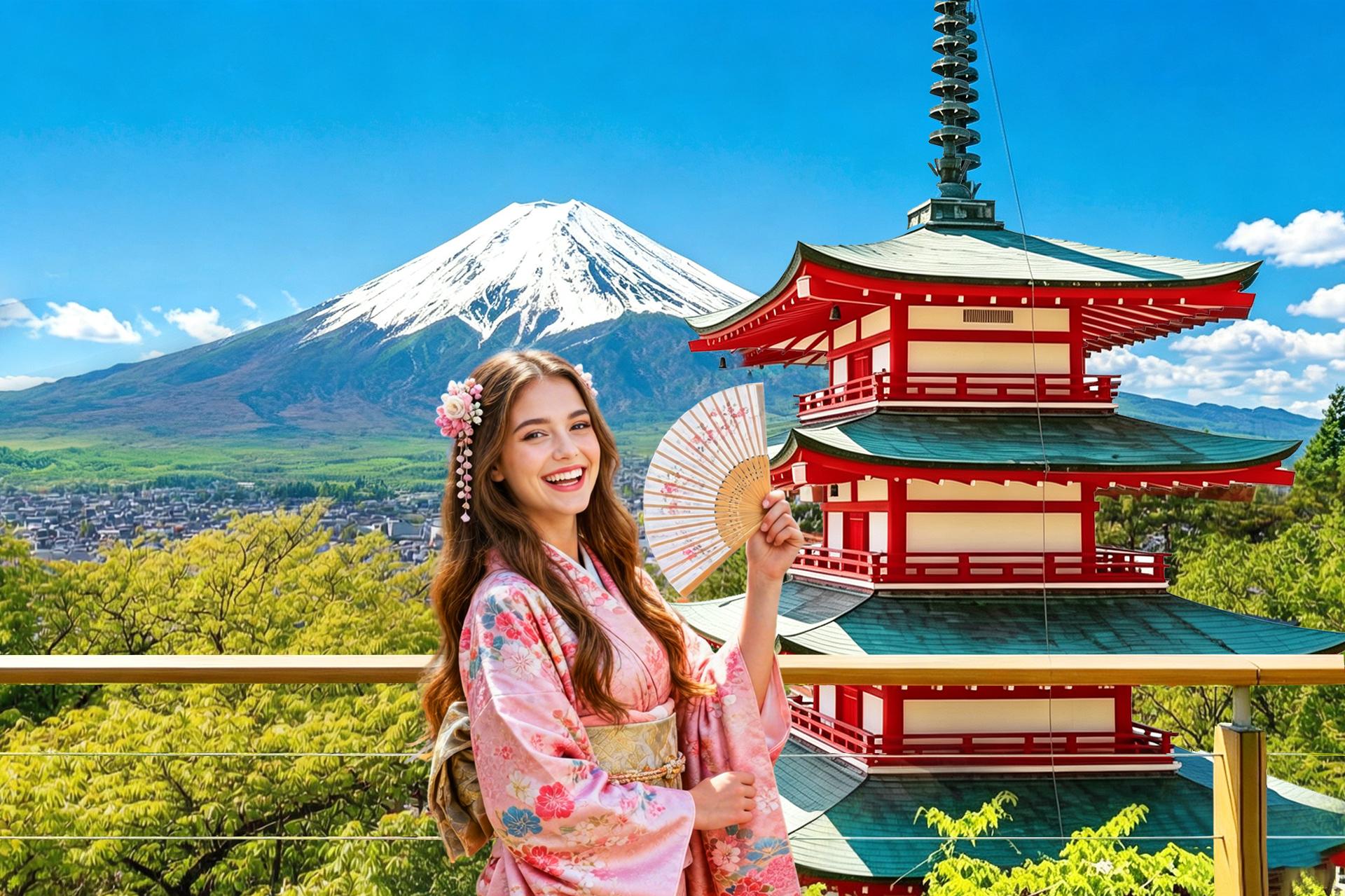
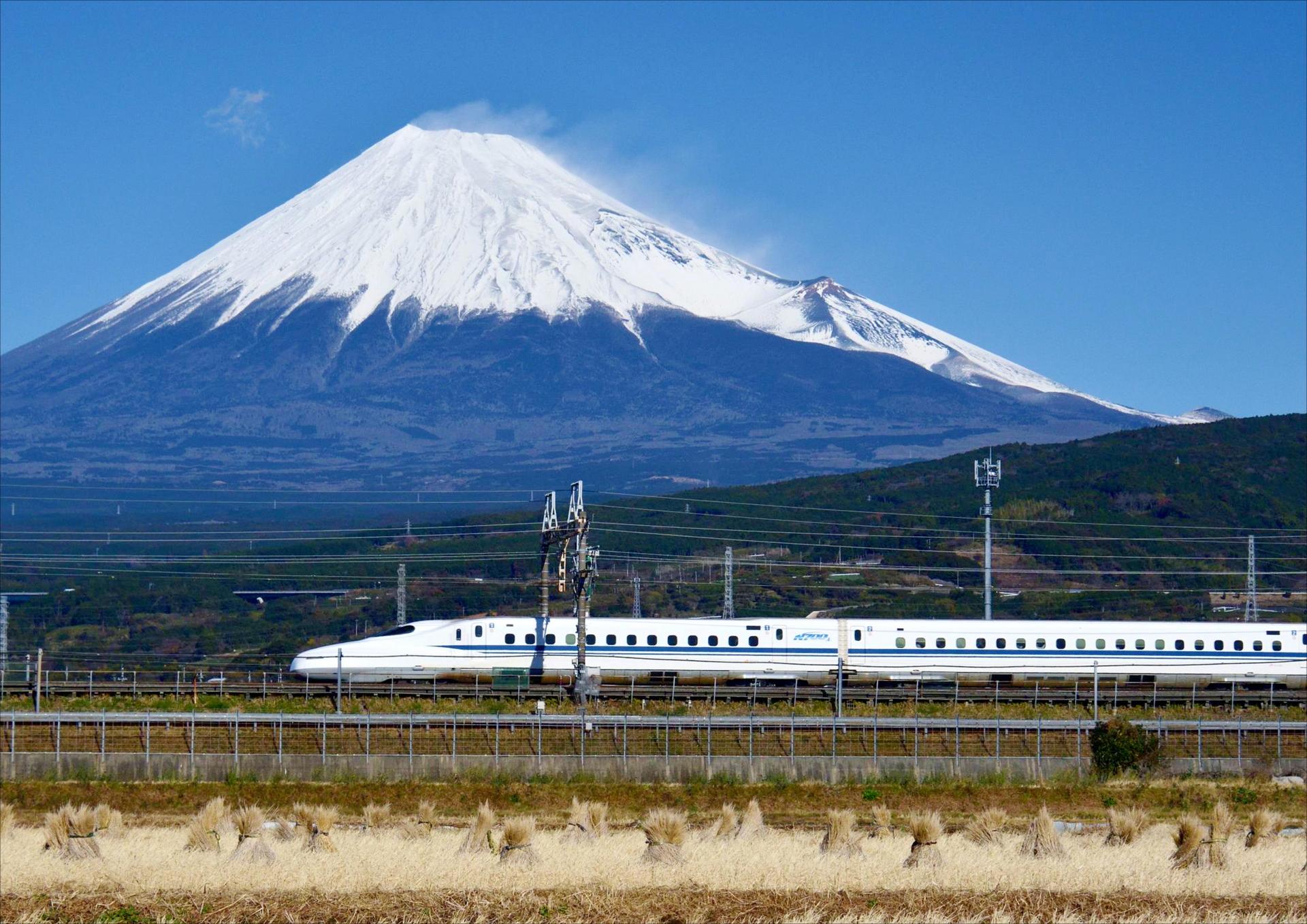
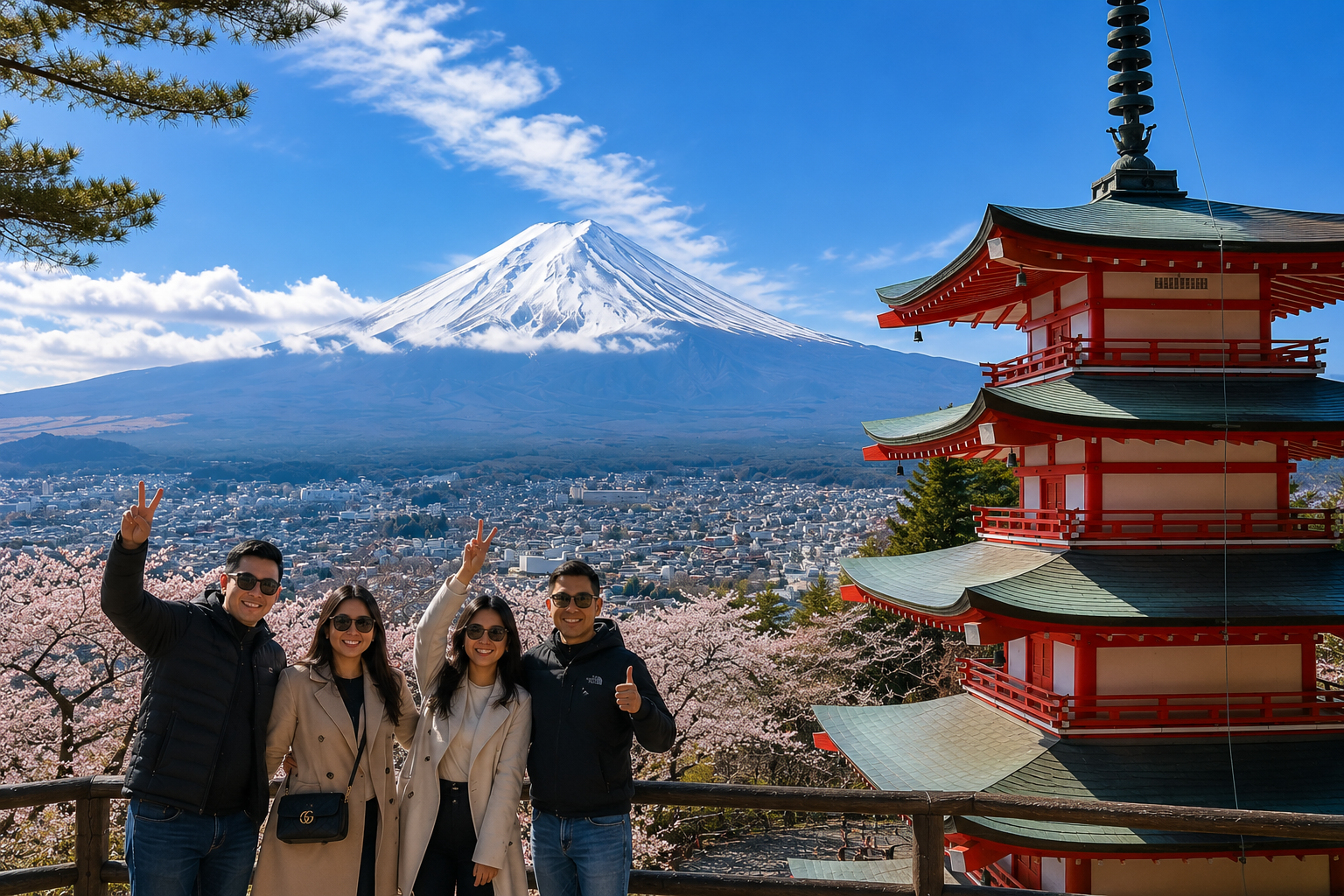
Mt. Fuji & Hakone Day Trip with Bullet Train Return 10 hr
Guided Experience

Mt. Fuji & Hakone Day Trip with Bullet Train Return

4.2 (1650)
€98
  • Expert local guide
  • Small group
  • Skip-the-line access
  • Free cancellation
Book this ticket
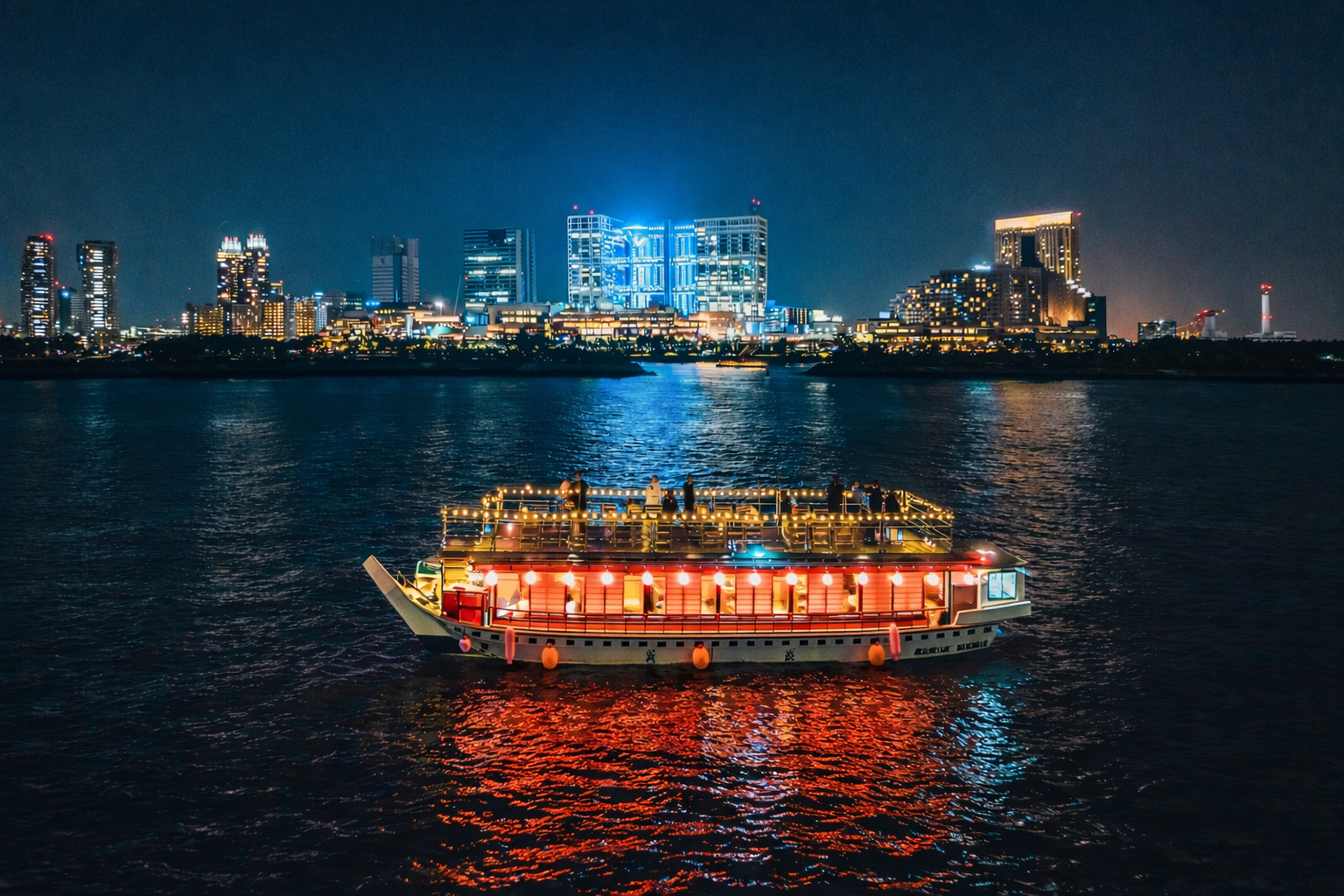
Traditional Yakatabune Dinner Cruise on Tokyo Bay 3 hr 10 min
Standard Entry

Traditional Yakatabune Dinner Cruise on Tokyo Bay

4.7 (1275)
$99
  • Entry ticket
  • Mobile voucher
  • Valid same day
  • Free cancellation
Book this ticket
Compare options

Compare Yokohama Port to Tokyo ticket options

Exploring the waterfront is a highlight for visitors traveling from yokohama port to tokyo, with the terminal grounds offering an open, accessible experience for all. Whether you are catching a cruise or simply enjoying the harbor, the terminal features distinct public and passenger-only zones.

Top pick
Public Access Area General Waterfront
Terminal & Passenger Zones Secure Transit Areas
Entry Fee 0 JPY
Access Method Check-in Required
Best For Cruise Departure & Arrival
Wait Time Varies by Schedule
Included Areas CIQ Plaza & Lounges

Verdict: First-time visitors should prioritize the public rooftop deck, while those embarking on yokohama port to tokyo tours will utilize the secure passenger terminal zones.

Is Yokohama Port to Tokyo worth it?

Worth it as a strategic base, not a standalone destination

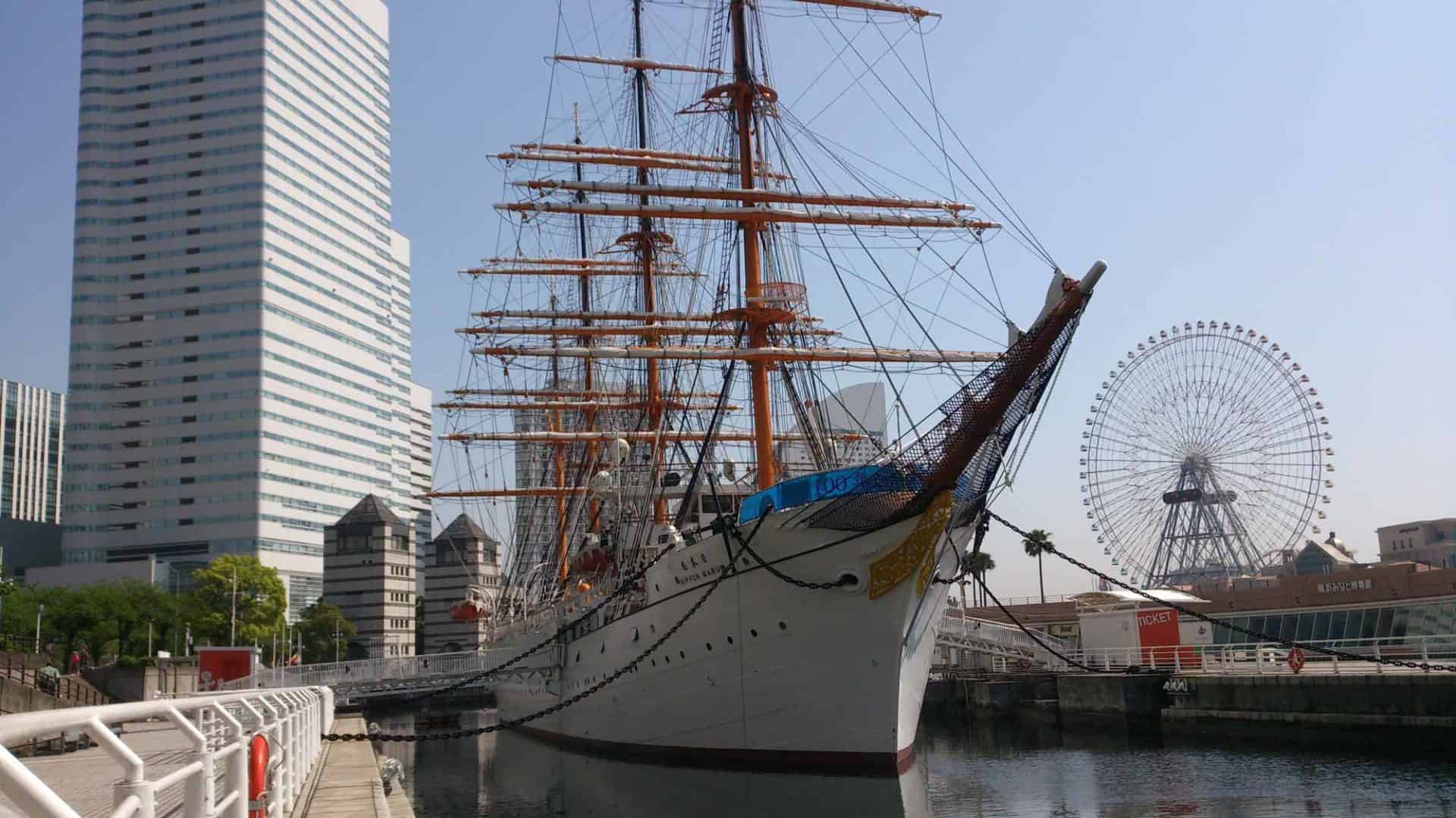
Yokohama Port serves as Tokyo's primary cruise terminal and international gateway, located just 30 minutes from central Tokyo by train. The port terminal grounds are free to explore, offering visitor centers and bay views, but the area itself isn't a traditional tourist attraction—it's functional infrastructure. The real value lies in using yokohama port to tokyo as a launchpad for curated day trips: Mount Fuji expeditions with lake and shrine access, Hakone circuits with bullet train returns, and Tokyo Bay yakatabune dinner cruises that depart from nearby waterfront docks. If you're arriving by cruise or need a coastal staging point for regional tours, the port's connectivity justifies the stop. Minato Mirai 21, Red Brick Warehouse, and Yamashita Park sit within walking distance, adding cultural texture. For visitors booking Mount Fuji Discovery tours or traditional boat cruises, the port becomes a practical hub rather than a detour.

What makes it worth it

  • Free terminal access with bay photography opportunities
  • Direct rail links to Tokyo in under 35 minutes
  • Launch point for Mount Fuji and Hakone day trips
  • Walking distance to Minato Mirai and Red Brick Warehouse
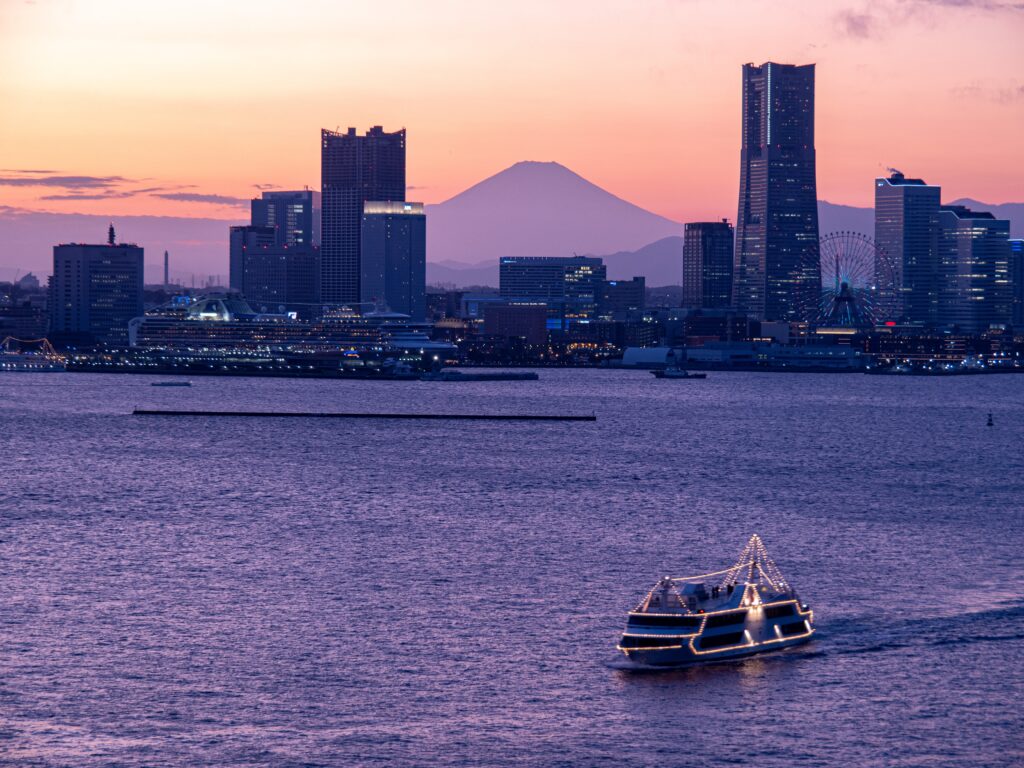
  • Yakatabune dinner cruises depart from adjacent waterfront

Keep in mind

  • Port itself lacks dedicated attractions beyond transit
  • Short visit time unless combining with harbor tours
  • Individual excursions require separate ticket purchases

Bottom line: Yokohama Port earns its keep as a zero-cost connector to Tokyo and regional day trips, not as a destination you'd visit for the terminal alone.

Head to head

Yokohama Port vs. Tokyo Cruise Terminals — Which Is Better for Your Departure?

They complement each other; most visitors who do both call the Yokohama port to tokyo tour the more rewarding way to bridge these iconic coastal landmarks.

Top pick
Yokohama Port
Tokyo Cruise Terminals
Transport connection Central city access via bus or taxi
Primary use Local bay and dinner cruises
Atmosphere Modern urban waterfront
Accessibility Restricted by Rainbow Bridge height
Travel intensity High-energy city transit
Price (transfer) Varies by private transfer service

Verdict: Choose Yokohama Port for major international departures with historic charm, or select Tokyo terminals if you prefer immediate access to the high-energy heart of the capital for shorter coastal voyages.

Featured Experiences

Popular Yokohama Port to Tokyo tours & activities

Hand-picked experiences loved by thousands of travelers

Recommended Experience

Powered by GetYourGuide

Another traveler favorite

Powered by GetYourGuide
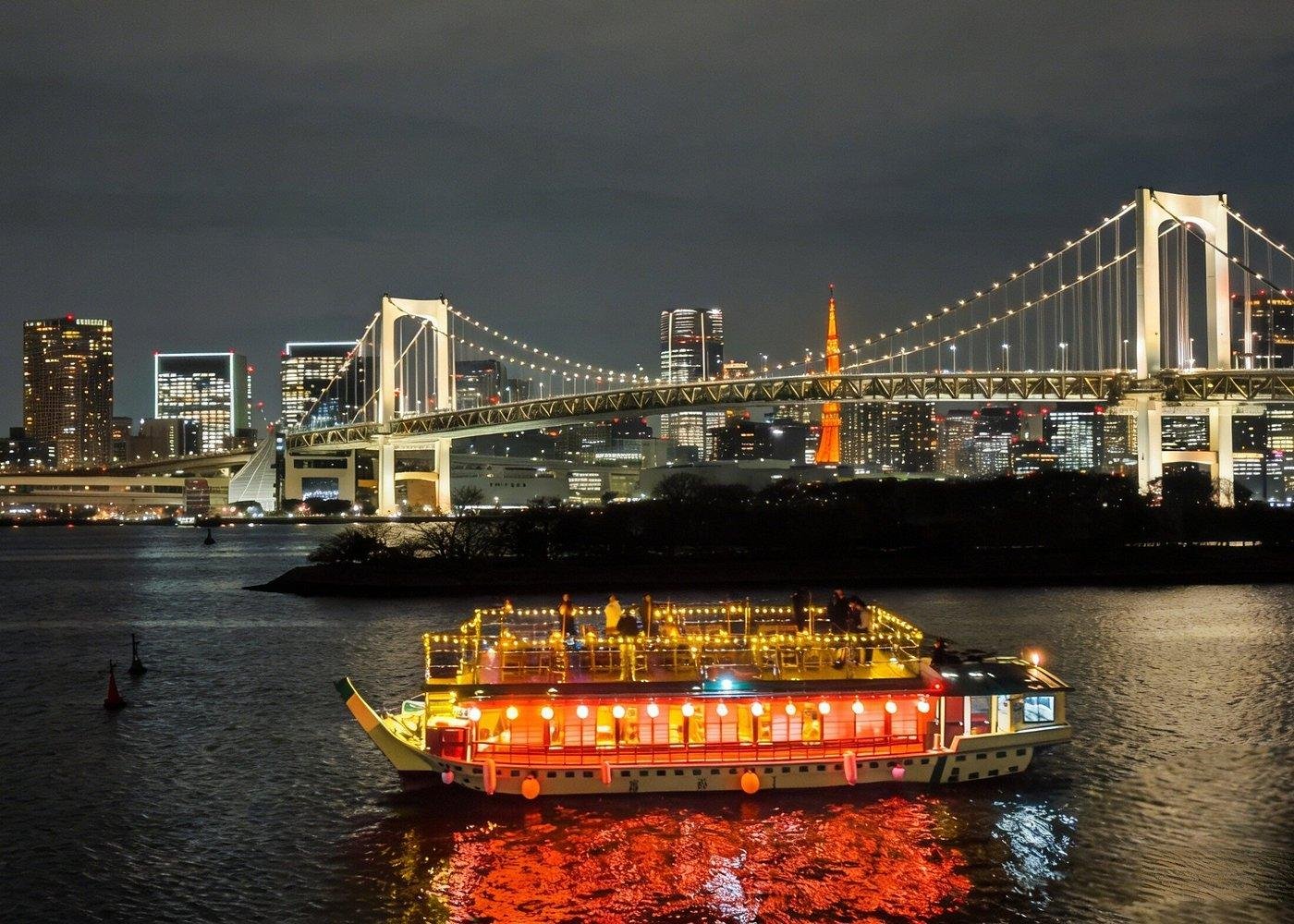
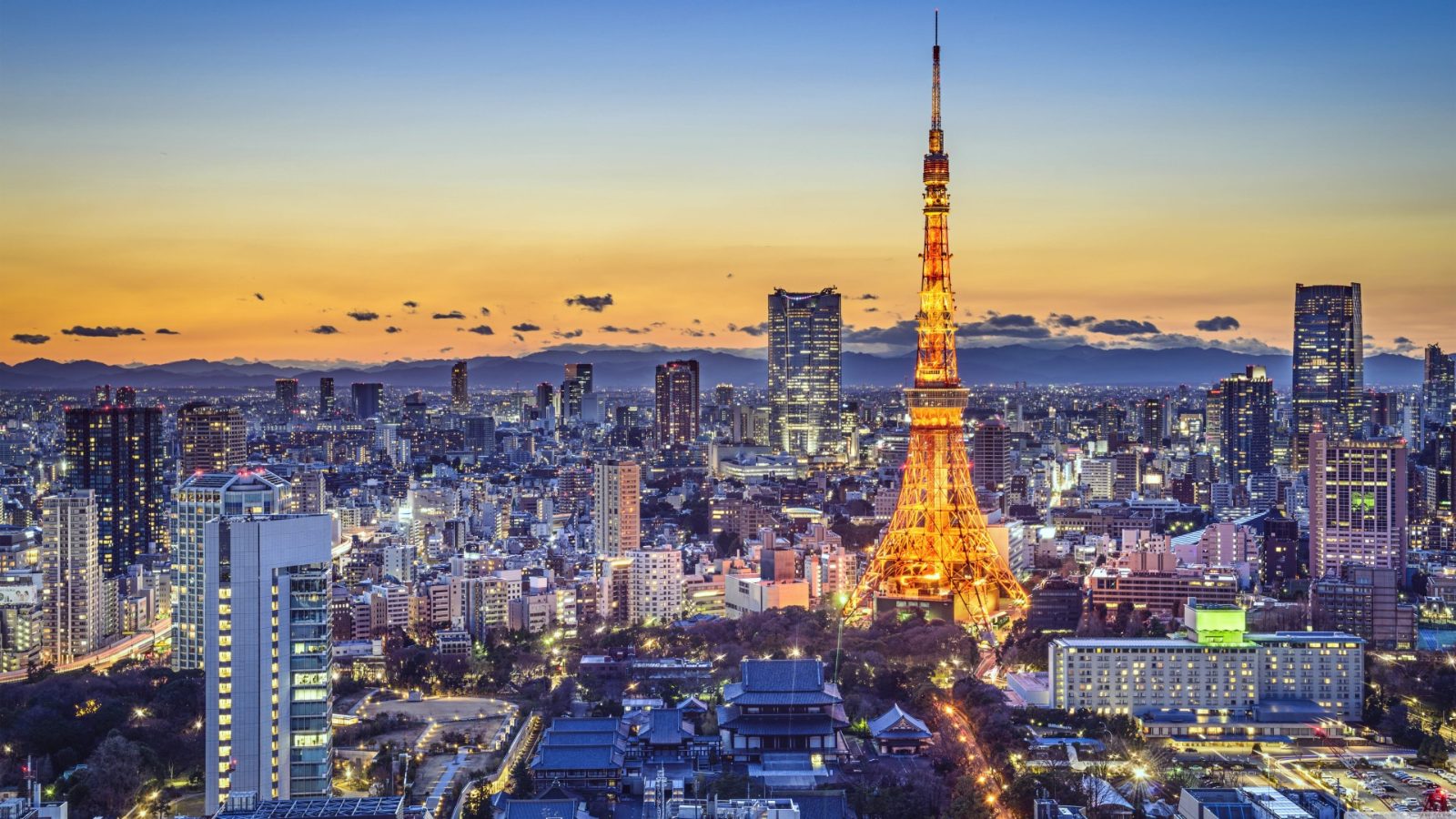
Traditional Yakatabune Boat Cruise with Sukiyaki & Tokyo Tower 100 minutes Free Cancellation

Traditional Yakatabune Boat Cruise with Sukiyaki & Tokyo Tower

Sail Tokyo Bay on a historic houseboat with live shamisen music, hot pot dining, and tower views

4.7 (433)
FromFrom €85.14
See details
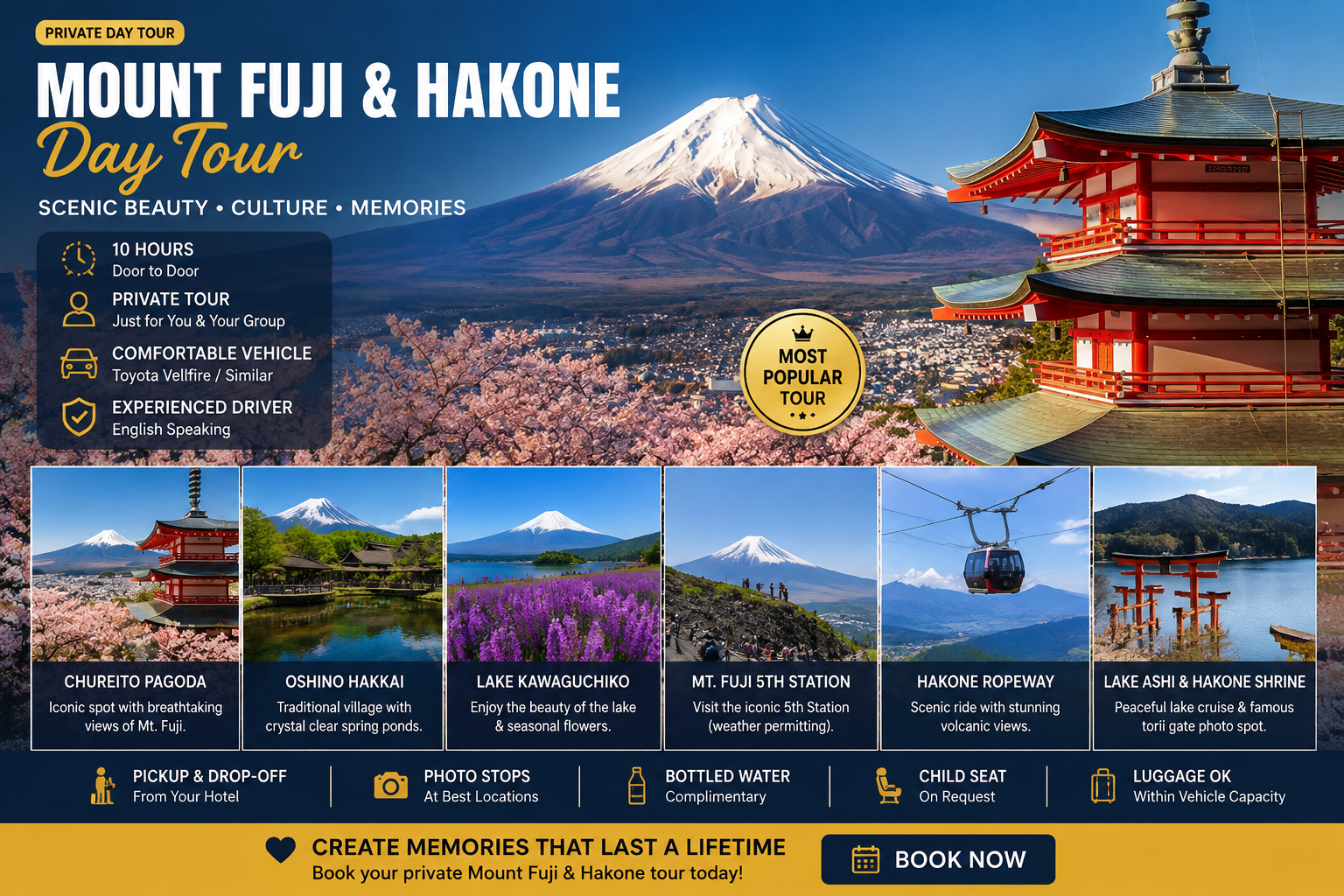
Private Mt. Fuji & Hakone Day Trip from Tokyo 10-11 hours Free Cancellation

Private Mt. Fuji & Hakone Day Trip from Tokyo

Personalized full-day adventure to Japan's iconic mountain with flexible scheduling and door-to-door service

4.8 (765)
FromFrom $301.48
See details
Private Transfer Between Yokohama Port and Tokyo 1.5 hours Free Cancellation

Private Transfer Between Yokohama Port and Tokyo

Seamless one-way transfer service connecting the cruise terminal with central Tokyo locations

4.8 (102)
FromFrom €161.66
See details
Private Port Transfer: Yokohama to Tokyo City Center 1 hour Free Cancellation

Private Port Transfer: Yokohama to Tokyo City Center

Direct private vehicle service connecting Yokohama cruise terminal with Tokyo accommodations, 24/7 availability

4.8 (62)
FromFrom €71.93
See details
Private Transfer Between Tokyo and Yokohama 1 hour Free Cancellation

Private Transfer Between Tokyo and Yokohama

Round-the-clock door-to-door transport connecting Japan's capital with its historic port city

4.9 (53)
FromFrom €53.81
See details
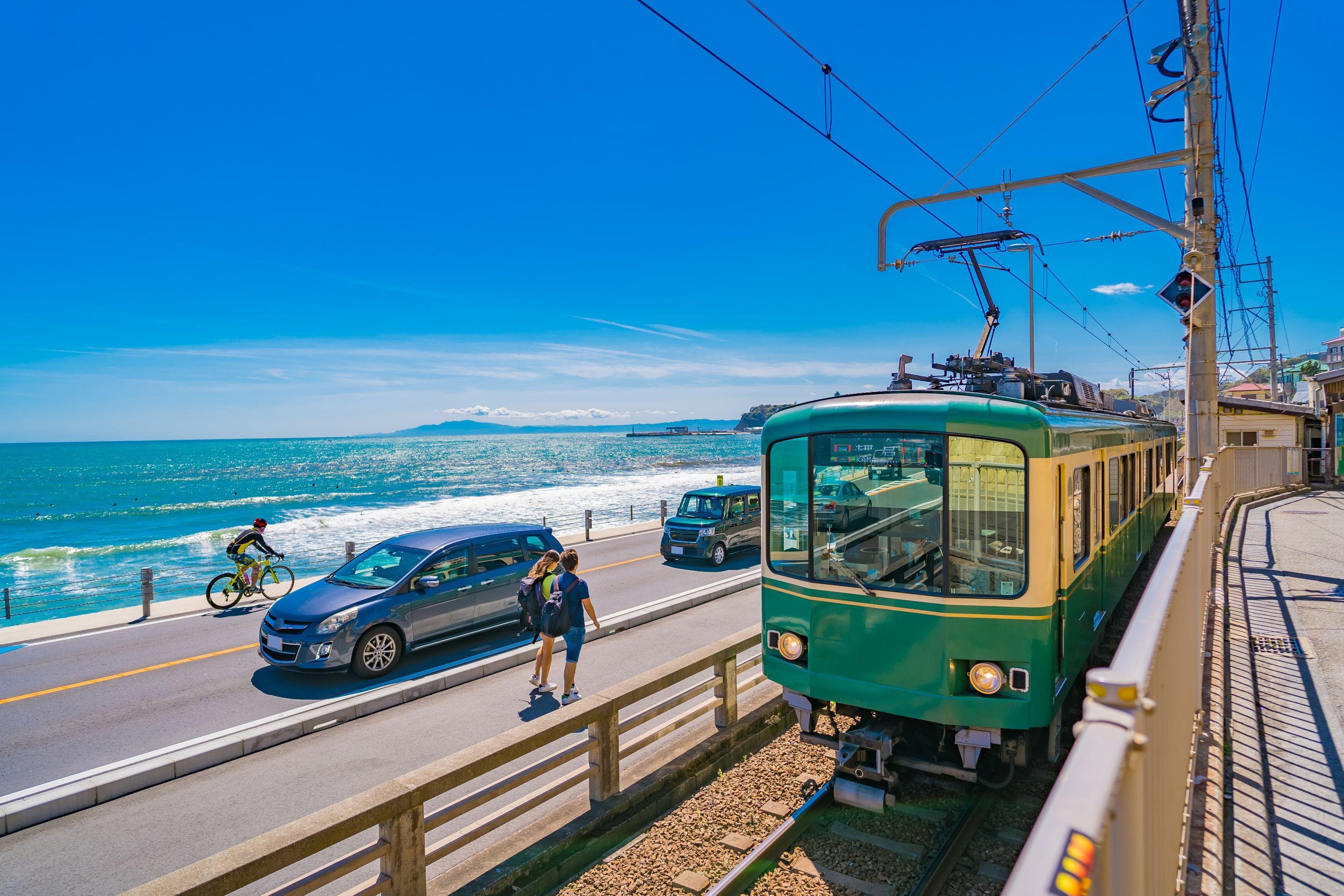
Kamakura & Enoshima Coastal Discovery with Enoden Train 11 hours Free Cancellation

Kamakura & Enoshima Coastal Discovery with Enoden Train

Journey through coastal shrines, historic samurai landmarks, and seaside views with scenic train rides included

4.5 (40)
FromFrom €46.42
See details
Private Mount Fuji & Hakone Day Tour from Tokyo 10 hours Free Cancellation

Private Mount Fuji & Hakone Day Tour from Tokyo

Explore Japan's iconic mountain and volcanic hot spring region on a fully personalized 10-hour excursion

4.9 (125)
FromFrom €334.09
See details
Private Mt. Fuji & Hakone Day Tour from Tokyo 10 - 12 hours Free Cancellation

Private Mt. Fuji & Hakone Day Tour from Tokyo

Explore Japan's iconic mountain and scenic Hakone region on a fully personalized luxury tour with your own driver-guide

4.9 (84)
FromFrom €334.09
See details
Your journey

Your Yokohama Port to Tokyo day, step by step

1

Arrival

Arrive at Yokohama Port and explore the terminal deck

2
Transit

Transit

Board transport for the yokohama port to tokyo connection

3

Exploration

Visit central landmarks upon arrival in the capital city

What you'll see

What you'll see at Yokohama Port to Tokyo

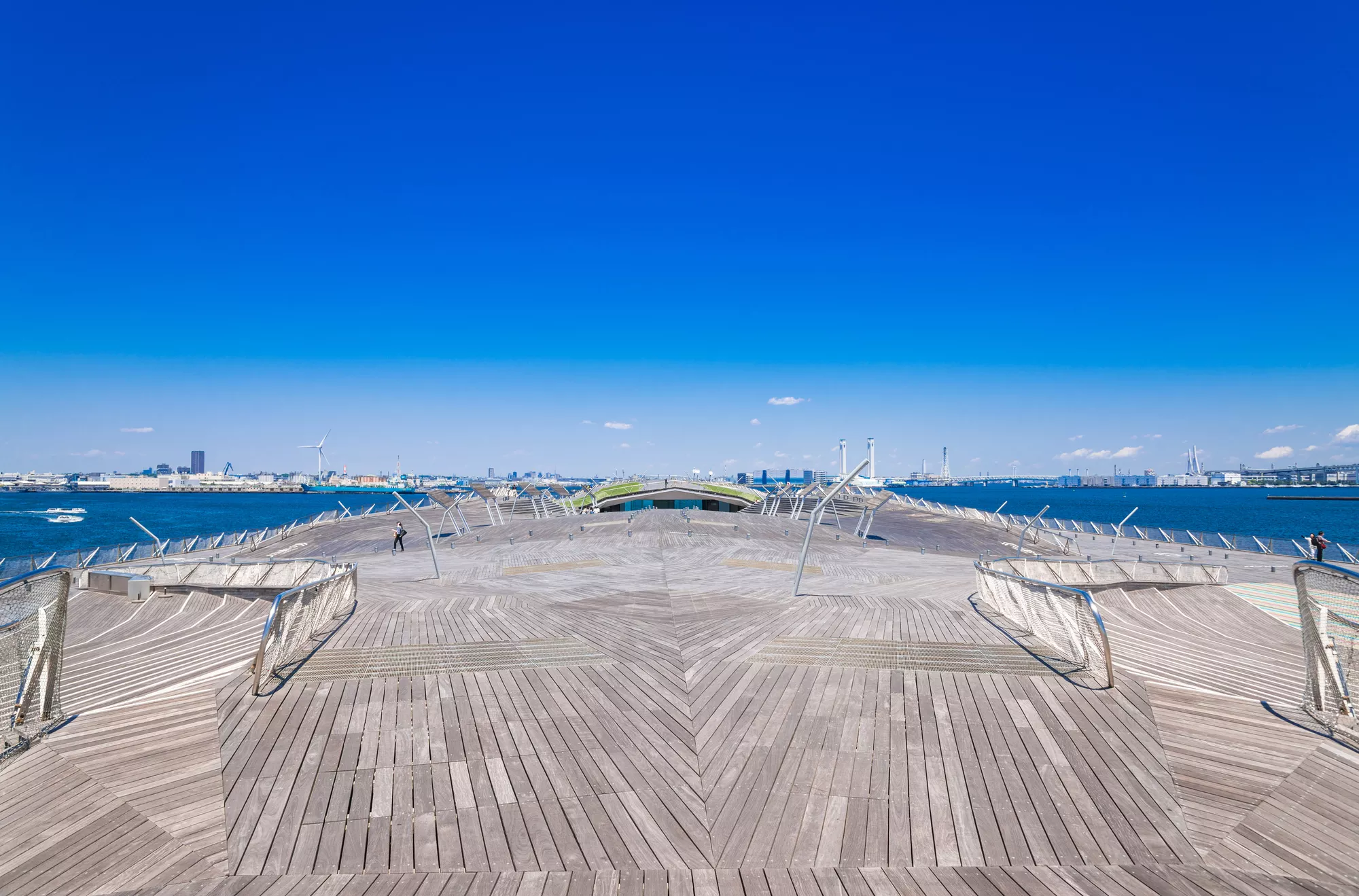
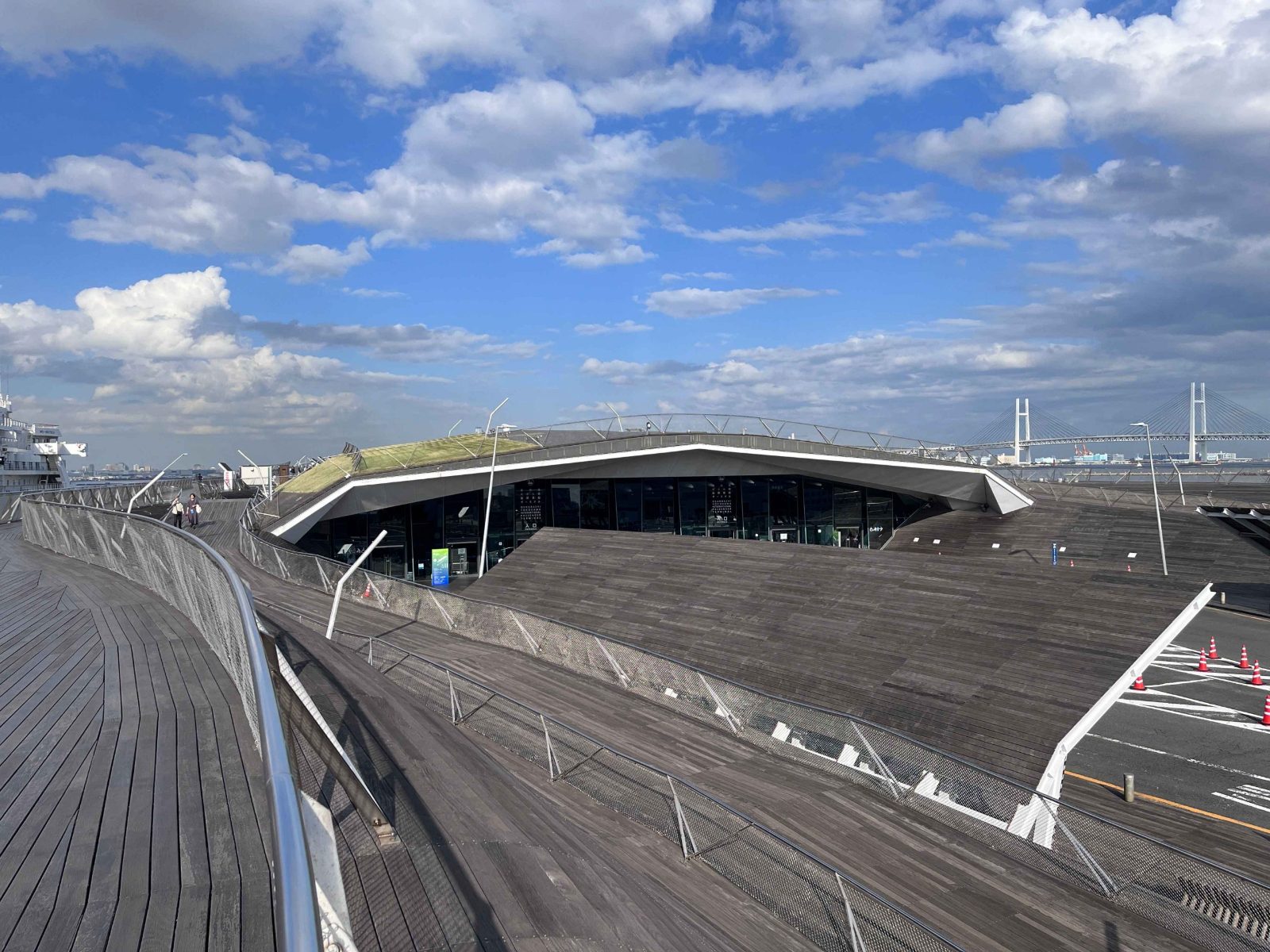
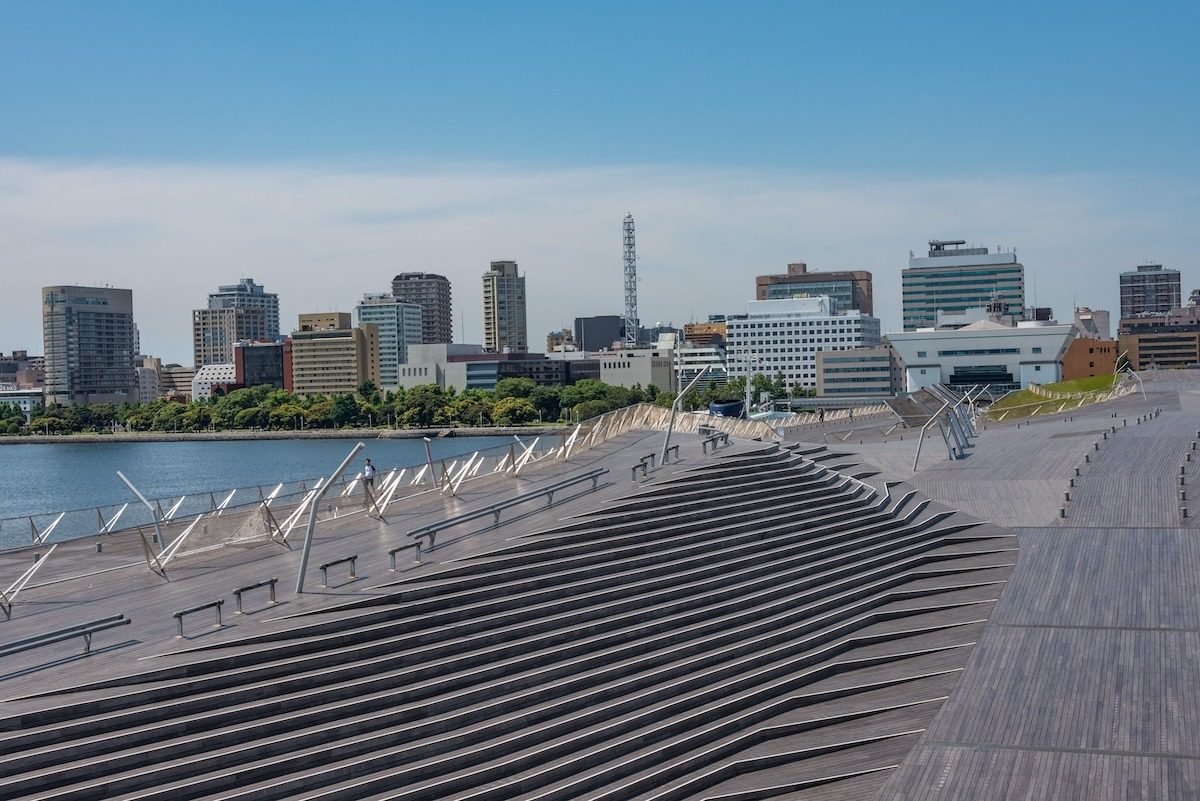
Osanbashi Pier Deck

Osanbashi Pier Deck

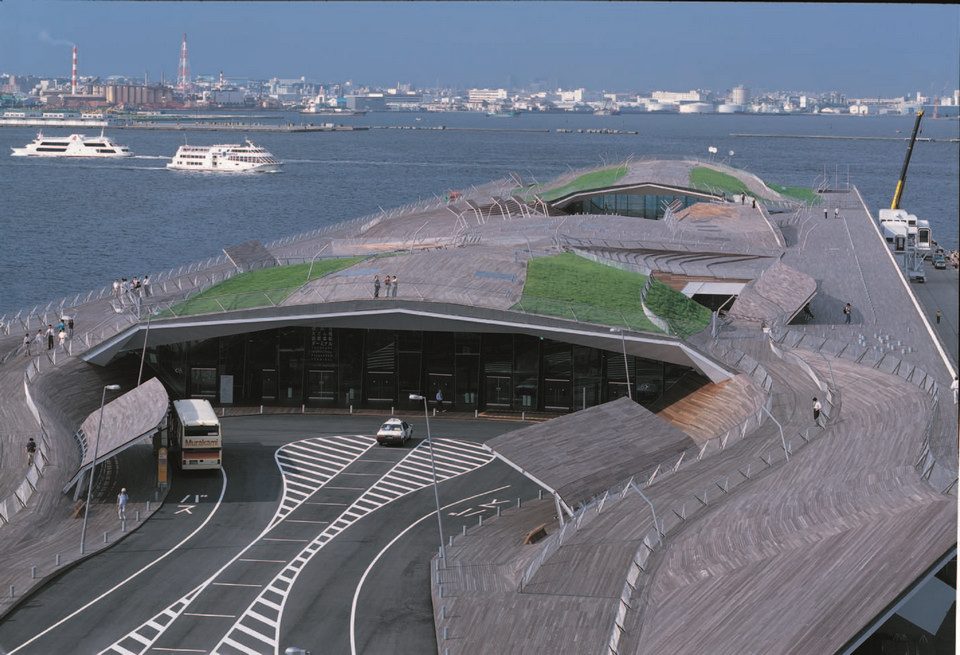
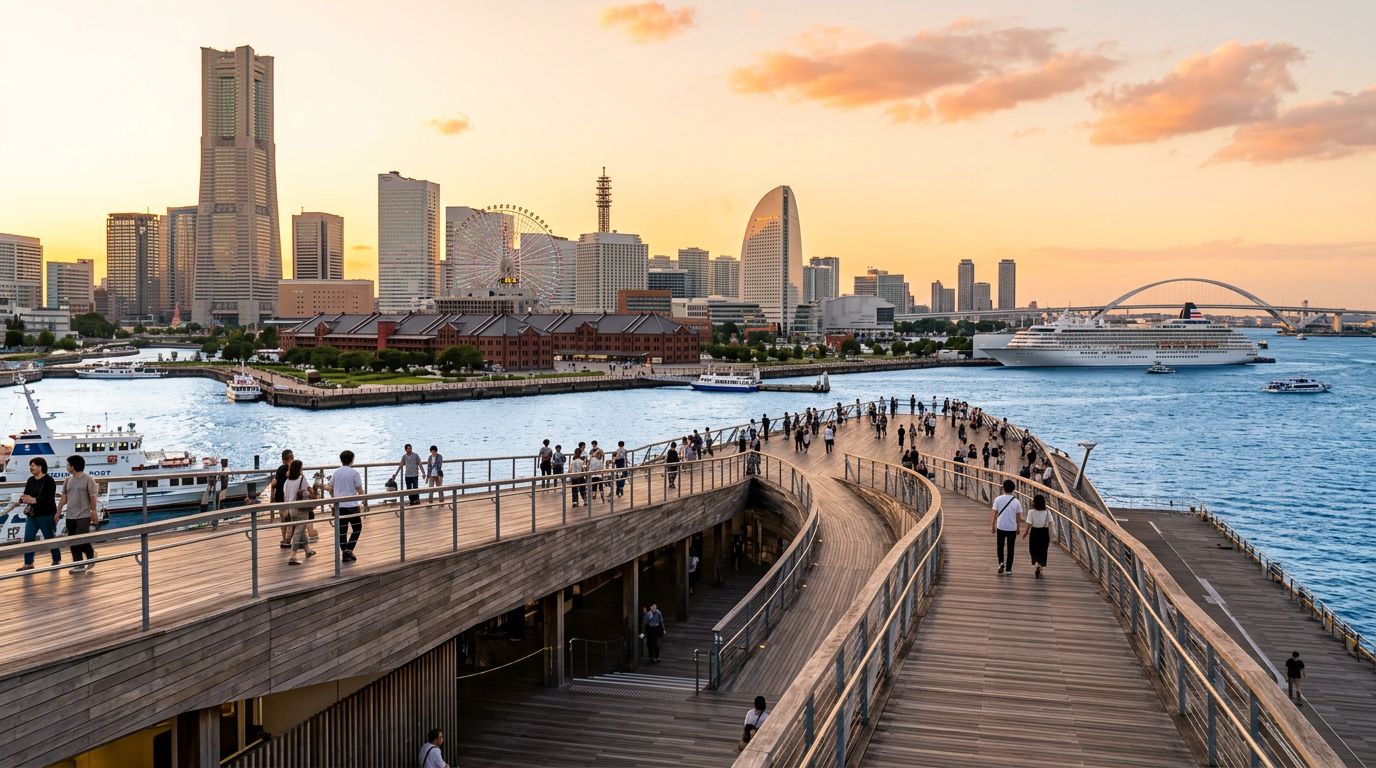
A massive wooden rooftop deck that offers panoramic views of the entire harbor area.

Terminal Lobby

Terminal Lobby

The main entrance features architectural design and serves as the starting point for yokohama port to tokyo tours.

Rooftop Park

Rooftop Park

An elevated green space providing a quiet escape with views of the bay area.

Viewpoint Plaza

Viewpoint Plaza

A dedicated space providing unobstructed angles of the Yokohama skyline and arriving ships.

The experience

What visiting Yokohama Port to Tokyo is really like

You disembark at Osanbashi Terminal, collect your luggage from the customs hall, and step onto the rooftop plaza where the Yokohama Bay Bridge frames the eastern horizon. A port shuttle idles near the terminal exit; the ride to Yokohama Station takes eleven minutes through the Kannai business district.

Read more Show less

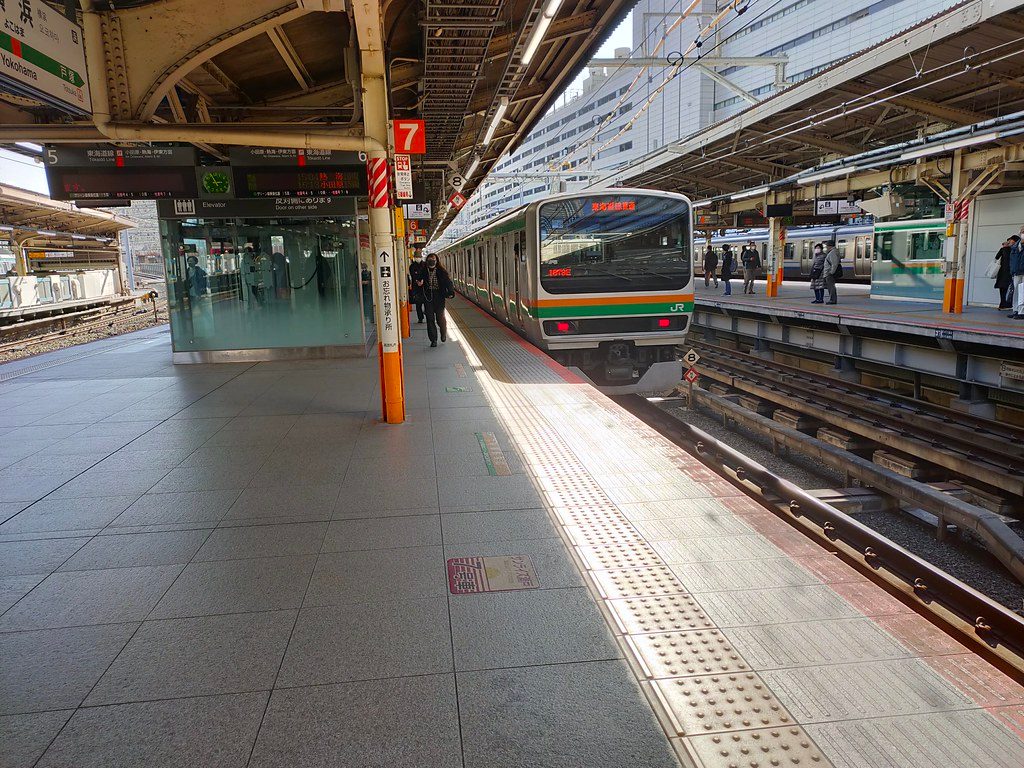
At the station's central concourse you scan overhead signage for the Keihin-Tohoku Line southbound platform—tracks three and four—and board a silver eleven-car set bound for Tokyo.

The train departs at 09:18, gliding through Sakuragicho and Kawasaki before crossing the Tama River into Tokyo's southern wards. Through the window you watch the skyline thicken: low industrial blocks give way to mid-rise towers, then the dense thicket of Shinagawa's office district. At 09:42 the train pulls into Tokyo Station's Yaesu side. You exit onto the subterranean concourse, follow red signage toward the Marunouchi exit, and emerge beneath the restored 1914 brick facade. Taxis queue at the Marunouchi South exit; the Yamanote Line's inner-loop platform is two levels below if your destination lies in Shibuya or Shinjuku.

Yokohama Port to Tokyo
Everything You Need to Know

Your complete Yokohama Port to Tokyo guide

All the details about your upcoming adventure in one place

Yokohama Port opened to international trade in 1859 after two centuries of national isolation, transforming a fishing hamlet into Japan's busiest gateway by the turn of the twentieth century.

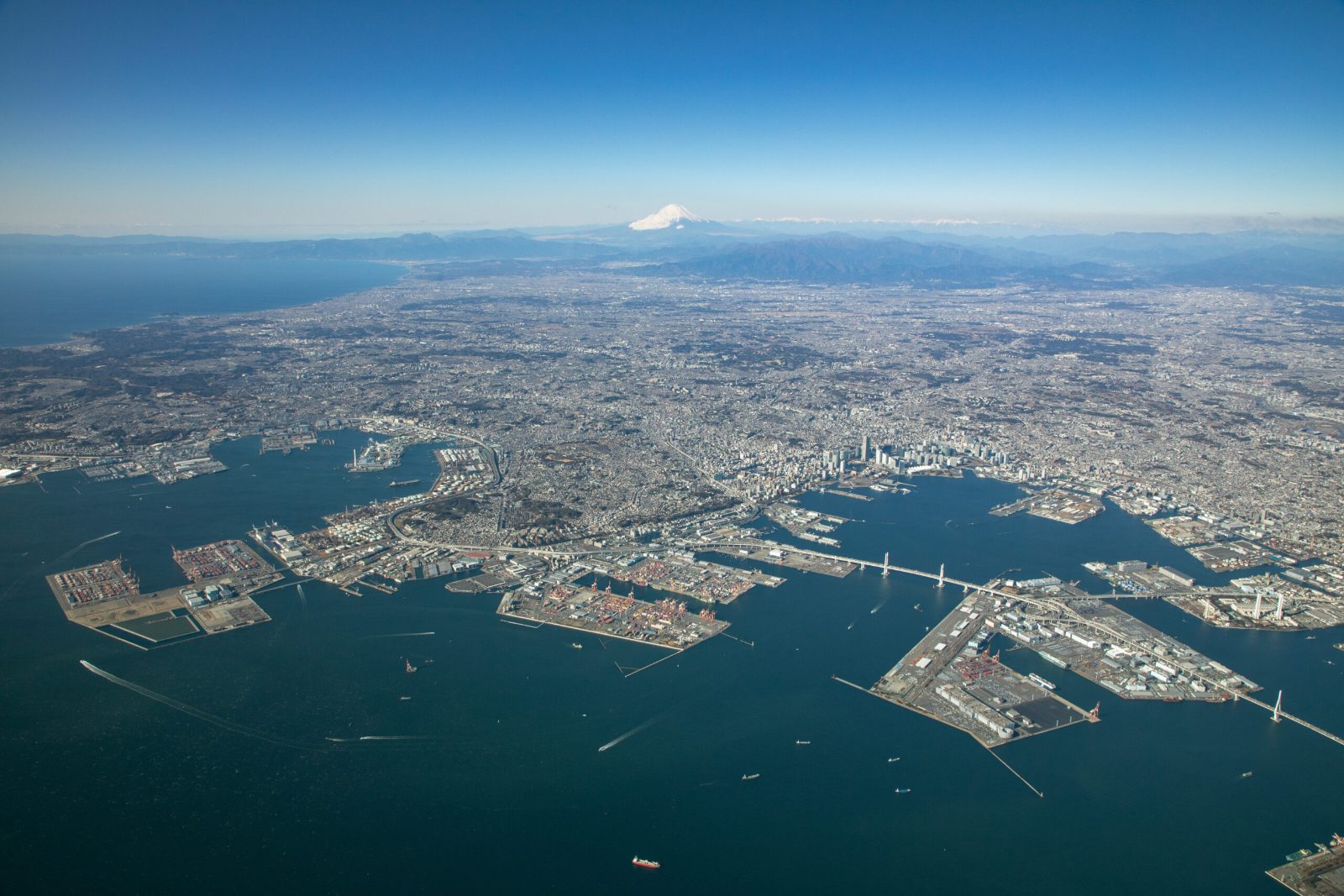
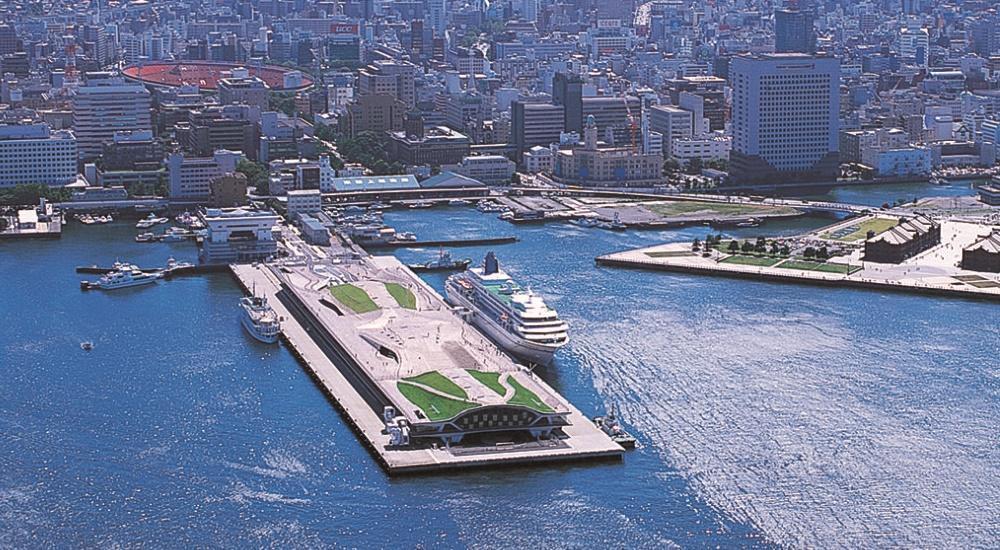
The Osanbashi Pier, rebuilt in 2002 as a wave-form timber terminal, now handles more than two hundred cruise calls annually, while the adjacent Yokohama Station serves as the city's primary rail interchange with twenty-six platforms threading regional, intercity, and metropolitan lines into a single glass-and-steel node. The port's working piers extend across five kilometers of reclaimed waterfront, from the Red Brick Warehouse district in Shinko through the cargo terminals of Honmoku.

Today the Yokohama port to Tokyo corridor carries forty thousand passengers daily via overlapping rail, bus, and taxi networks. The Keihin-Tohoku Line and Tokaido Line run parallel from Yokohama Station to Tokyo Station at four- to six-minute intervals during peak hours, covering the thirty-kilometer distance in twenty-four to twenty-eight minutes. Express and limited-express services reduce travel time further, though cruise passengers arriving at Osanbashi Terminal typically transfer first to Nihon-Odori or Kannai stations on the Minatomirai Line, adding twelve minutes to the total journey. Private shuttle buses operate direct routes from Osanbashi to major Tokyo hotels, bypassing station transfers but extending total time to seventy minutes in moderate traffic.

The geography of Yokohama's cruise infrastructure complicates land transport planning. Osanbashi's international terminal sits two kilometers southeast of Yokohama Station, requiring passengers to choose between the subway connection via Bashamichi or a taxi transfer to the main rail hub. The port authority operates a free shuttle between terminal and station on high-traffic cruise days, though service is limited to morning disembarkation windows. For travelers continuing to Tokyo's western districts—Shinjuku, Shibuya, Ikebukuro—the Shonan-Shinjuku Line offers through service without the Tokyo Station interchange, reducing total travel time by fifteen minutes. The Yokohama Air Terminal facility at Osanbashi includes multilingual signage, luggage storage, and real-time departure boards covering all rail options, updated as of the terminal's 2019 digital upgrade.


The port's twenty-six-platform interchange threads regional and intercity lines into a single node, moving forty thousand passengers daily toward the capital.

Dress code

Casual and comfortable clothing is recommended for your yokohama port to tokyo journey. Wear comfortable walking shoes suitable for exploring the pier and surrounding bay areas.

Bags & security

Standard luggage is permitted, though large items may require storage at the Osanbashi International Passenger Terminal lockers. Security personnel monitor public areas near the bay.

Photography

Photography of the bay and skyline is permitted for personal use. Professional equipment may require prior authorization when planning your yokohama port to tokyo photo session.

Families & strollers

The facility is stroller-friendly with clean restrooms and nursing rooms available. Families traveling from yokohama port to tokyo often utilize the spacious rooftop park area.

Accessibility

The terminal features elevators and ramps throughout the facility. It is designed to accommodate travelers moving between the yokohama port to tokyo departure zones easily.

Food & drink

Visitors may carry outside food and drinks for consumption in designated public seating areas. Several cafes and restaurants operate within the terminal building.

Not allowed

× Drones × Flammable liquids × Hazardous materials × Unattended luggage × Sharp objects × Open flames × Large industrial equipment × Illegal substances × Amplified sound devices

What to bring

✓ Valid passport ✓ Travel tickets ✓ Comfortable walking shoes ✓ Sun protection ✓ Light jacket ✓ Portable power bank

Opening hours

Mon 00:00 – 23:59
Tue 00:00 – 23:59
Wed 00:00 – 23:59
Thu 00:00 – 23:59
Fri 00:00 – 23:59
Sat 00:00 – 23:59
Sun 00:00 – 23:59

How to get there

At a glance

Opening Hours

00:00–23:59

Address

1-1-4 Kaigandori, Naka-ku, Yokohama-shi, Kanagawa 231-0002, Japan

Accessibility

Full barrier-free access

Optimal Arrival

09:00–17:00

Storage

Coin lockers available at terminal

Navigation

Port terminal landmark area

Getting there

Public transport · 7 min walk · Varies by line

Take the Minatomirai Line to Nihon-odori Station, then walk 7 minutes.

Taxi · Variable · Metered rates

Direct taxi access is available to the terminal drop-off zone.

Cancellation policy

Cancellation terms depend on the specific tour operator selected for your yokohama port to tokyo transfer. Please review your booking confirmation for details regarding refund eligibility.

Plan your time

Planning Duration and Intra-Day Flow for Yokohama Port to Tokyo

Recommended time

2-3 hours

A visit to this landmark allows ample time to enjoy the bay views and maritime architecture before your journey when coordinating a yokohama port to tokyo transfer. Travelers exploring Yokohama landmarks should prioritize the 09:00–17:00 window to ensure visitor centers are active. Those interested in detailed yokohama port to tokyo tour options should account for extra time to navigate the terminal grounds, though booking advance yokohama port to tokyo tickets can streamline your transit process.

Crowd levels through the day

09:00–11:00 Light
11:00–13:00 Moderate
13:00–15:00 Peak
15:00–17:00 Moderate
Plan ahead

Best time to visit Yokohama Port to Tokyo

Weather · crowds · average price — dots go green to amber to red as each metric rises.

Spring

Mild temperatures perfect for outdoor harbor walks and city transit.

Autumn

Cool air and clear skies ideal for capturing the Yokohama skyline.

Winter

Crisp, clear visibility for photography of the bay and distance views.

Summer

Warm weather with frequent marine breezes near the waterfront.

Insider tips

Helpful tips for visiting Yokohama Port to Tokyo

Check terminal status

Monitor the official site for real-time updates before your yokohama port to tokyo transfer.

Use public transit

Trains are the most efficient way to coordinate your yokohama port to tokyo travel plan.

Footwear matters

The pier features extensive deck space, so choose supportive walking shoes for yokohama port to tokyo tours.

Carry water

Hydration is key while exploring the open-air deck during sunny days.

Photography timing

Early morning or sunset provides the best lighting for yokohama port to tokyo travel photography.

Lockers first

Secure your heavy bags upon arrival so you can enjoy the port terminal comfortably.

Where to meet

Yokohama Port to Tokyo meeting points

Osanbashi Terminal

Osanbashi Terminal

1-1-4 Kaigandori, Naka-ku

Main entrance lobby area

Get directions
The story

The history of Yokohama Port to Tokyo

Yokohama Port opened to foreign trade in 1859 under the terms of the Treaty of Amity and Commerce, transforming a small fishing village into Japan's gateway to the world. The shogunate chose the site precisely because it sat isolated from the established power centers, a buffer against Western influence spreading inland. Within a decade, silk exports funneled through Yokohama accounted for nearly two-thirds of Japan's foreign revenue, and the settlement around the harbor became the testing ground for railways, gaslight, and telegraph lines. The first steam locomotive in Japan ran from yokohama port to tokyo in 1872, a fourteen-mile line that collapsed travel time from a day's journey to under an hour and cemented the port's logistical supremacy. British engineer Edmund Morel designed the breakwaters and deep-water piers that allowed oceangoing vessels to dock directly, ending the need for lighters and sampans. The Great Kanto Earthquake of 1923 destroyed ninety percent of the port's infrastructure. Warehouses collapsed, cranes toppled into the bay, and fires consumed the customs house. Reconstruction took five years and introduced reinforced concrete wharves capable of handling the new generation of steel-hulled freighters. By 1930, Yokohama handled more tonnage than Kobe or Osaka. The port suffered again during the Allied firebombing of 1945, which leveled the remaining Meiji-era godowns and left the harbor choked with sunken vessels. American occupation forces requisitioned the rebuilt piers for military supply chains during the Korean War, and civilian operations resumed in full only after 1952. Containerization arrived in 1967 with the opening of the Honmoku Terminal, Japan's first purpose-built container facility. Gantry cranes replaced stevedore gangs, and throughput quadrupled within a decade. The Osanbashi International Passenger Terminal, completed in 2002 to a design by Foreign Office Architects, introduced a wavelike wooden deck that became a public promenade. Today the port handles over thirty million tons of cargo annually, though its dominance has shifted toward cruise tourism and intermodal links. The original 1872 railway alignment survives as the Tokaido Line, still carrying passengers on yokohama port to tokyo tours.

1859

Yokohama Port opens under the Harris Treaty, replacing Kanagawa as the designated foreign trade anchorage.

1872

Japan's first railway connects the harbor to Shinbashi Station in Tokyo, cutting travel time to fifty-three minutes.

1923

Great Kanto Earthquake destroys port infrastructure; reconstruction introduces reinforced concrete deep-water berths.

1945

Allied firebombing and naval blockade leave the harbor inoperative; minesweeping continues into 1946.

1967

Honmoku Container Terminal opens, marking Japan's entry into containerized shipping.

2002

Osanbashi International Passenger Terminal completed, transforming the waterfront into a pedestrian landmark.

2010s

Port authority prioritizes cruise ship berthing and environmental certifications as cargo share declines.

Photo spots

Top Photography Locations from Yokohama Port to Tokyo

Whale Wing Terrace

Whale Wing Terrace

Best light · Golden hour

Stand at the elevated tip of this structure to frame the harbor skyline and the iconic red brick warehouse district; it serves as a departure point for those traveling from yokohama port to tokyo.

Gallery

Moments from Yokohama Port to Tokyo

With kids

Visiting Yokohama Port to Tokyo with kids

Traveling from the yokohama port to tokyo with children is manageable thanks to the terminal's wide, flat walkways and open spaces. This gateway to Yokohama landmarks serves as a convenient starting point for families exploring the region.

Strollers

The entire terminal area is fully stroller-accessible, featuring spacious elevators and ramps that simplify movement for parents. You can easily navigate the harbor breeze with your gear before embarking on yokohama port to tokyo tours.

Facilities

Clean baby-change stations and nursing rooms are available within the terminal building to assist with mid-journey needs. These dedicated spaces provide a quiet area for parents to manage care before booking your next yokohama port to tokyo tour.

Pacing

We recommend arriving during the 09:00–17:00 window to ensure easy access to visitor services while keeping a relaxed schedule for the little ones. This timing helps avoid the midday heat and maximizes your ability to secure last-minute yokohama port to tokyo tickets.

Safety

The expansive outdoor decks offer plenty of room for kids to stretch their legs, though guardians should keep a close watch near the water edges. The terminal layout is straightforward, making it difficult to lose track of younger family members during your visit.

Food & drink

Dining Venues near the Route from Yokohama Port to Tokyo

Visitors traveling from the Yokohama Port to Tokyo can find diverse culinary options ranging from casual cafes within the Osanbashi terminal to the historic waterfront restaurants at the nearby Red Brick Warehouse. Planning your meals effectively during your Yokohama port to tokyo tour ensures a smooth transition to your next destination.

subzero

€€

Café inside

Located directly inside the Osanbashi International Passenger Terminal, this spot offers light meals and coffee with expansive views of the bay. It is a convenient choice for those securing yokohama port to tokyo tickets who need a quick refreshment before departure.;Bills Yokohama

FAQ

Yokohama Port to Tokyo — frequently asked questions

Everything you need to know for your journey

Around the corner

More to see near Yokohama Port to Tokyo

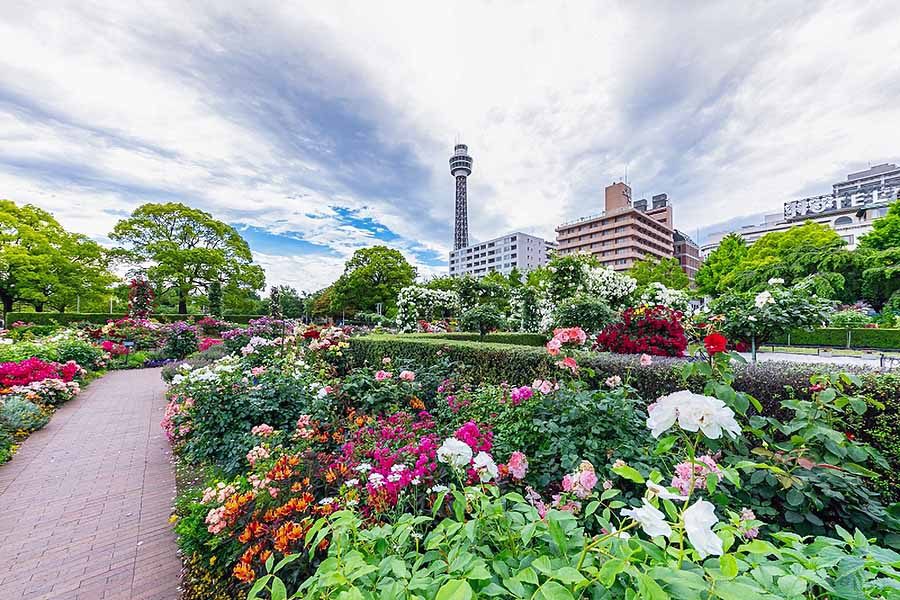
Yamashita Park

Yamashita Park

10 min

park

A historic waterfront park offering views of the port.

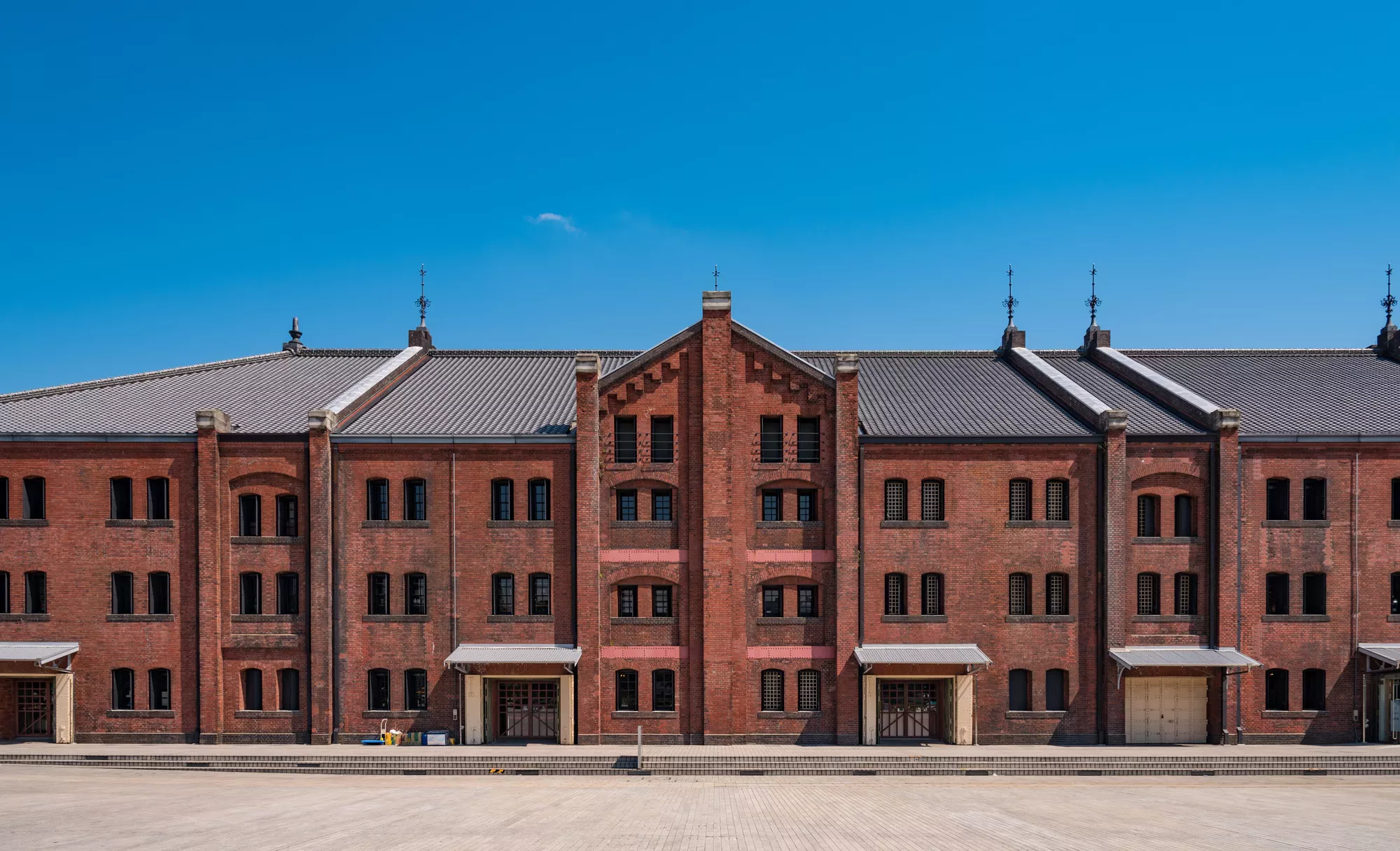
Yokohama Red Brick Warehouse

Yokohama Red Brick Warehouse

12 min

landmark

Restored historical buildings now featuring shops and event spaces.

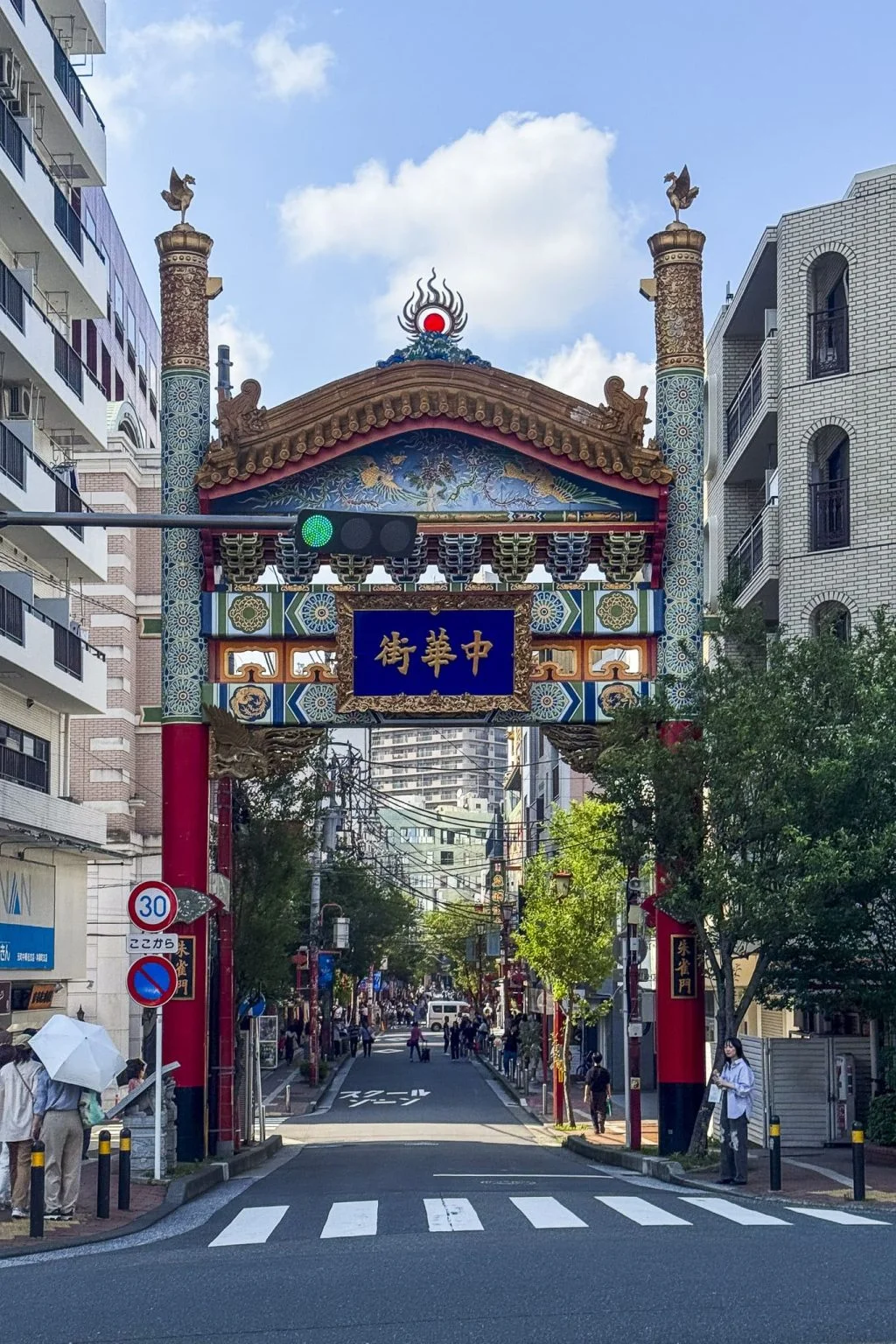
Chinatown

Chinatown

15 min

landmark

One of the largest Chinatowns in Japan with diverse dining options.

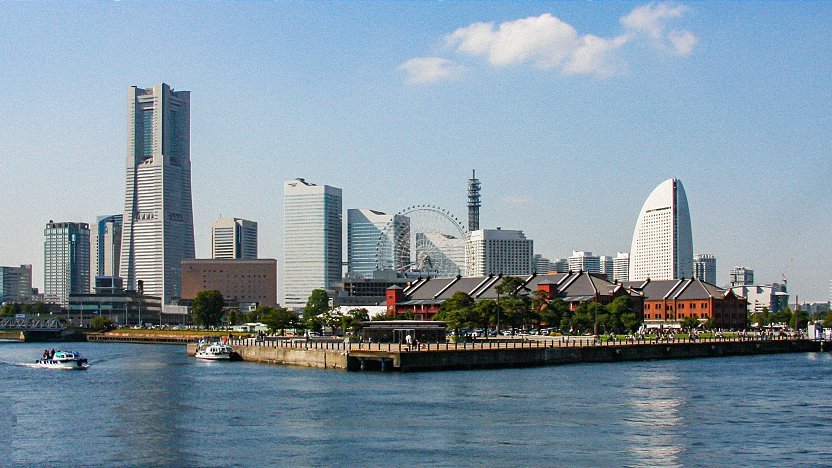
Minato Mirai

Minato Mirai

15 min

landmark

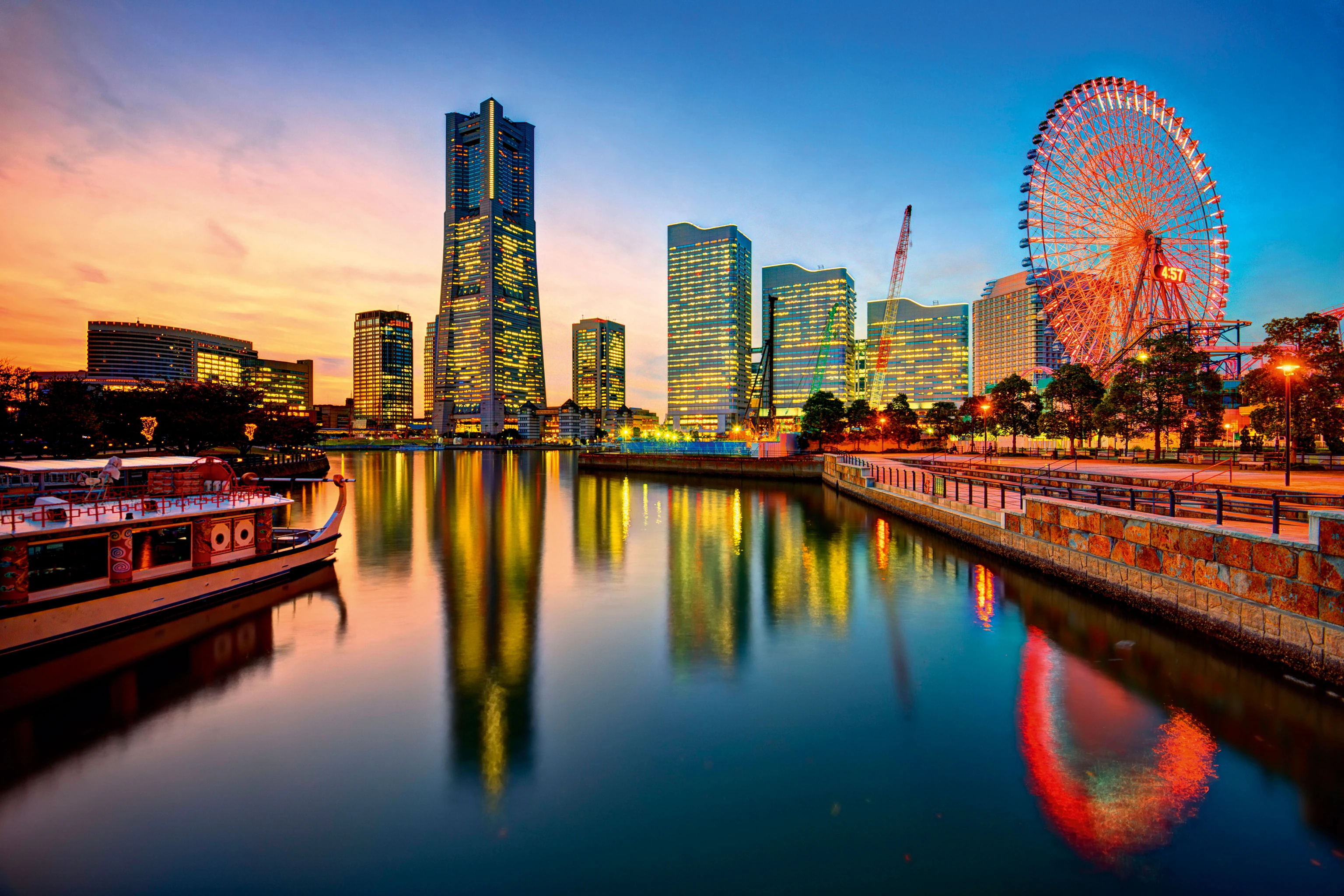
A modern seaside urban area with high-rise buildings and malls.

Where to stay

Where to stay near Yokohama Port to Tokyo

InterContinental Yokohama Grand

InterContinental Yokohama Grand

10 min

luxury

Waterfront hotel with views of the bay.

Hotel New Grand

Hotel New Grand

10 min

luxury

Classic historic hotel located near the park.

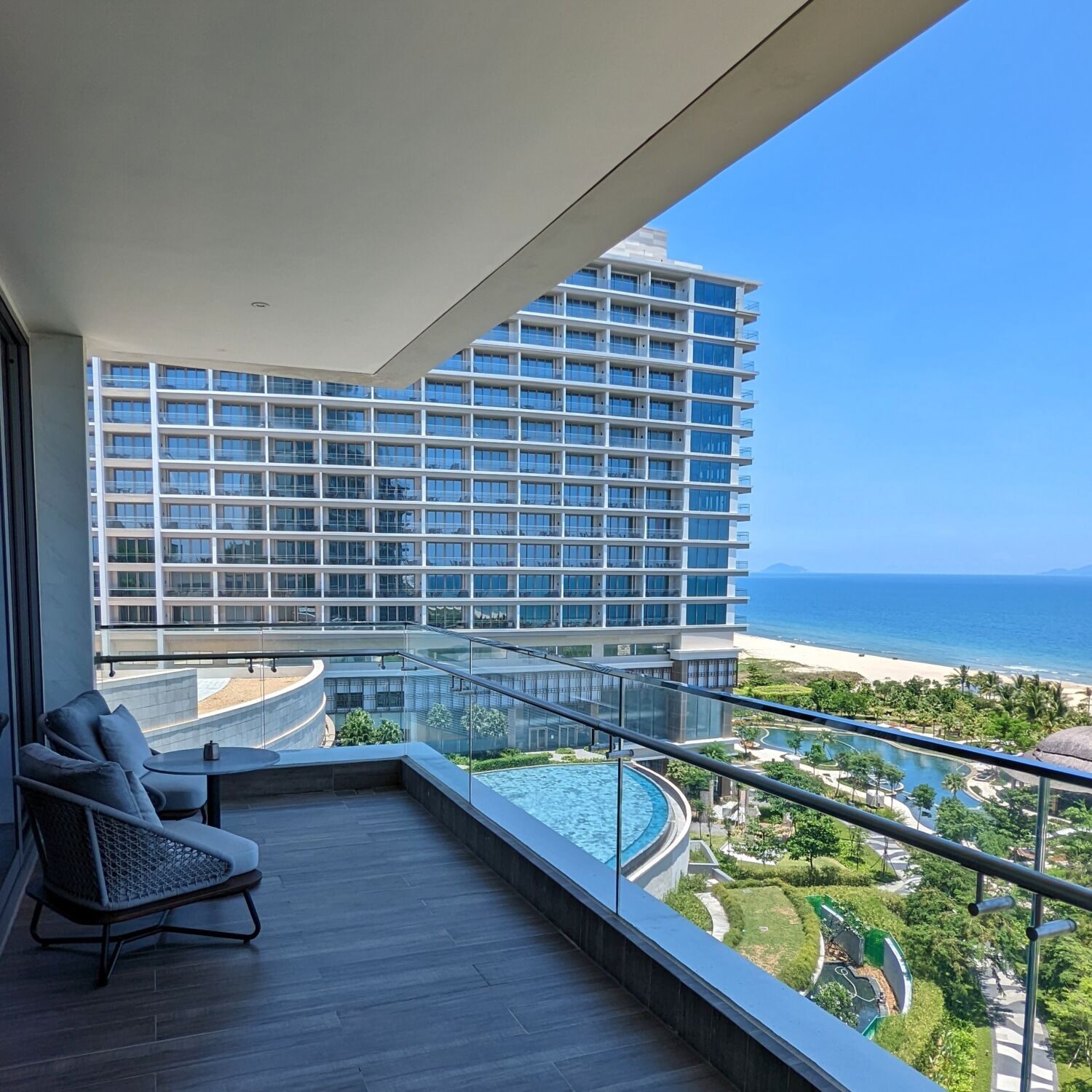
APA Hotel & Resort

APA Hotel & Resort

15 min

mid-range

Large modern hotel within the Minato Mirai area.

Ready for Adventure?

Join thousands of happy travelers who have discovered this incredible experience

Book Your Experience Now